Ladakh Packing List for Winter Travel
A thorough, practical packing list for winter travel in Ladakh covering clothing, technical gear, medical essentials, vehicle and road-ready items, electronics, documents and smart packing tips tailored for Indian travellers.
By TravMe Holidays travel team · · Updated · 6 min read
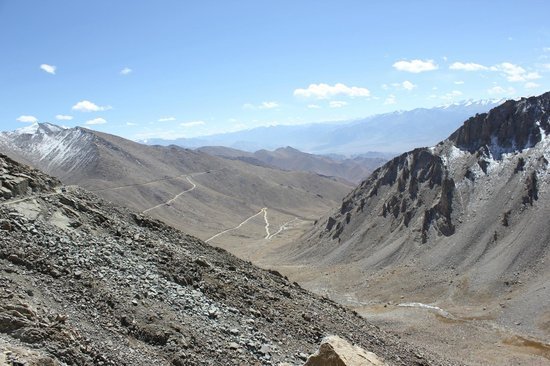
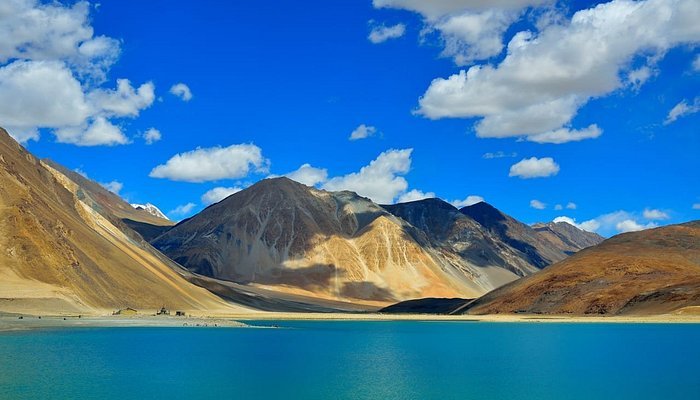
Ladakh in winter is stark, spectacular and challenging. Temperatures plummet, roads close and services become sparse — but the landscape is at its most pristine. Packing right is the difference between a comfortable, memorable trip and one marred by cold, inconvenience or avoidable risk. This guide helps you prepare for high-altitude winter travel in Ladakh with a focused, practical packing list and smart tips for layering, acclimatisation and safety.
Before you pack: planning and mindset
Winter in Ladakh (roughly November to February) is extreme. Expect very low temperatures, sudden weather changes, limited fuel and food supplies at remote stops, and reduced daylight. Accept that you will need warmer, bulkier gear than for any other Indian destination, and plan for redundancy — spare batteries, backup warm layers, and duplicate essential meds or documents.
Permits and paperwork
- Valid photo ID: Carry your Aadhaar, voter ID or passport depending on the mode of travel.
- Inner Line Permit (ILP) for restricted areas if required — check current rules for places like Nubra and Pangong.
- Vehicle documents: Registration, insurance, PUC, driver’s licence and a copy of the vehicle’s owner ID if you’re driving a rented vehicle.
- Emergency contacts and printed route maps: Network can be patchy — keep hard copies.
Clothing: the layering system
Layering is essential at altitude. Layers trap warm air and let you adapt to changing activity levels — from freezing waits at a viewpoint to sun-warmed walks in clear afternoons.
Base layers
- Thermal tops and bottoms (merino wool or high-quality synthetic) — at least two sets so one can dry while you wear the other.
- Moisture-wicking inner tees and underwear — cotton will make you cold when wet, so avoid it for main layers.
Mid layers
- Fleece jacket (200–300 gsm) or wool sweater for insulation.
- Down or synthetic insulated jacket (packable, with a high fill-power if possible) — this is your primary warmth source when stationary.
Outer layer
- Windproof, water-resistant shell jacket (hard shell or soft shell depending on activity). Breathability matters if you’ll do any trekking.
- Waterproof pants or over-trousers for snow and unexpected sleet.
Accessories
- Insulated gloves (pair) and a thin liner glove for dexterity.
- Wool or merino socks — multiple pairs along with sock liners if you get cold feet easily.
- Thermal cap/beanie that covers ears and a balaclava or neck gaiter for wind protection.
- Warm hat for sleeping and a sun-cap for daytime when the sun is strong.
Footwear
- Insulated, waterproof trekking boots with good ankle support and a grippy sole. Break them in before travel.
- Camp shoes or insulated slip-ons for evenings at guesthouses to dry your boots and rest your feet.
- Microspikes or crampons — useful if there’s ice on trails or roads you plan to walk.
Sleep and bedding
- Warm sleeping bag rated for extreme cold (preferably comfort rating below -10°C for high-altitude nights).
- Sleeping bag liner — adds warmth and keeps your bag cleaner.
- Lightweight inflatable pillow or stuff-sack with clothes as a pillow.
Technical and outdoor gear
- Daypack with a waterproof cover — for short walks and to carry essentials while travelling.
- Trekking poles — help with stability on ice and uneven terrain and reduce strain on knees.
- Headlamp with spare batteries — long winter nights, and hands-free light is essential.
- Compact shovel and basic car recovery kit if you’re self-driving in case of snow drifts.
- Fuel canister or stove for tea/food if you’re camping; check rules for guesthouses regarding self-cooking.
Health, medicines and first aid
Altitude and cold are the main health challenges. Pack comprehensively and consult your doctor before travel.
- Basic first aid kit: bandages, antiseptic, painkillers, blister pads, tape, scissors.
- Altitude sickness medication (e.g., acetazolamide) only after consulting a doctor; carry oxygen canisters if recommended for specific travellers.
- Prescription medicines with a copy of the prescription and a note from your doctor for controlled drugs.
- Electrolyte powders, oral rehydration sachets and medications for diarrhoea or stomach upset.
- Sunscreen (high SPF) and lip balm with SPF — the sun is intense at high altitude despite the cold.
Electronics and communication
- Fully charged power banks with sufficient capacity — cold drains battery faster, so plan for backups.
- Camera with spare batteries and memory cards. Keep batteries warm in inner pockets.
- Universal travel charger and extra charging cables; a car charger if driving.
- Local SIM or eSIM with data; BSNL/MTNL often have better coverage in remote areas but confirm current network maps.
- Offline maps (downloaded) and a physical map for redundancy.
Food, water and fuels
- High-calorie snacks: nuts, energy bars, chocolate, and instant soups for quick warmth and energy.
- Insulated water bottle or thermos — prevents freezing and keeps water drinkable.
- Water purification tablets or small filter — don’t rely on rivers in winter; many sources can be frozen or contaminated.
Vehicle and road essentials (if driving)
- Full tank policy: Plan fuel stops as remote pumps may be closed; carry extra fuel safely if permitted.
- Snow chains or traction aids, tow rope, battery jumper cables and a toolkit for minor repairs.
- Vehicle warmers or insulating blankets help start-up; antifreeze and winter-grade engine oil.
- Spare tyre in good condition and a reliable jack — roads can be harsh on tyres in winter.
Practical tips and etiquette
- Acclimatise: Spend the first 24–48 hours taking it easy at Leh (3,500 m) before ascending to higher passes.
- Respect local customs: Ladakhis are warm and hospitable; dress modestly in villages and monasteries.
- Pack light but smart: Use compression sacks to reduce bulk; avoid overpacking as transporting large luggage is harder in winter.
- Keep valuables and emergency cash in a carry-on or daypack rather than checked luggage if flying.
- Check road status frequently: Mountain closures can happen due to snow or avalanches — build buffer days into your schedule.
Tip: Keep batteries and electronics in inner pockets close to your body to prevent freezing. Replace or warm batteries if devices start underperforming.
Packing checklist (quick reference)
- Base layers: 2–3 sets thermal tops and bottoms
- Mid layers: Fleece and insulated jacket
- Outer shell: Windproof/waterproof jacket and pants
- Accessories: Gloves, liners, beanie, balaclava, scarf
- Footwear: Insulated boots, camp shoes, microspikes
- Sleeping: Warm sleeping bag, liner, pillow
- Gear: Headlamp, trekking poles, daypack, crampons
- Health: First aid, altitude meds, sunscreen, lip balm
- Electronics: Power banks, chargers, camera, spare batteries
- Documents: ID, permits, vehicle papers, printed maps
- Food & water: Snacks, thermos, purification tablets
Final reminders
Layer, protect, and plan for redundancy. Cold weather can turn small inconveniences into big problems at altitude. Prioritise warmth, hydration and slow acclimatisation. Communicate your itinerary with someone back home and check weather and road updates frequently. With the right packing and mindset, Ladakh in winter rewards you with quiet roads, crystal-clear skies and unforgettable scenery.
Travel safe and enjoy the stark beauty of Ladakh — it’s an experience that stays with you long after the cold has melted away.