Ladakh Packing List for Summer Travel
A practical, India-focused packing guide for summer travel to Ladakh covering clothing layers, footwear, health essentials, electronics, documents and smart tips for high-altitude comfort.
By TravMe Holidays travel team · · Updated · 6 min read
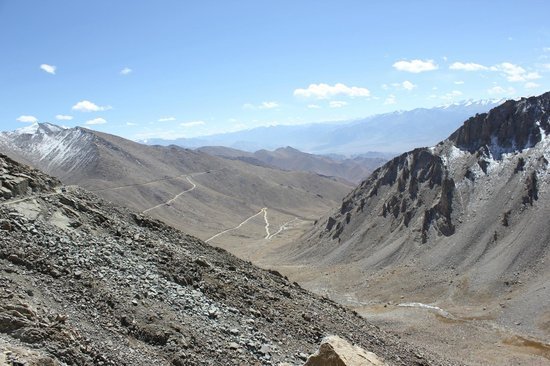
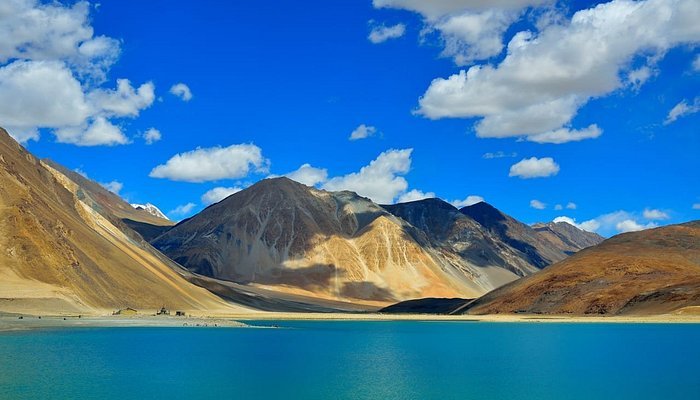
Summer in Ladakh is a season of clear skies, dramatic landscapes and long daylight hours — but also of big temperature swings and high-altitude realities. Your packing choices can make the difference between a comfortable, memorable journey and a struggle with cold, sun or altitude. This guide breaks down everything you need to pack for a safe, stylish and practical summer trip to Ladakh.
Understand the climate and packing philosophy
Ladakh in summer (May to September) is pleasantly warm in the daytime, especially in valleys and near lower-altitude towns, but nights can be cold. Weather can be unpredictable: sudden winds, occasional rain or even snow on higher passes. The most important principle is layering — carry lightweight, insulating and weatherproof layers that you can add or remove quickly.
Essential clothing
Choose fabrics that dry quickly and breathe well. Avoid heavy cotton for active days as it retains moisture and chills you at altitude.
- Base layers: 2–3 moisture-wicking T-shirts or long-sleeve tops (merino or synthetic). A thermal vest or light wool base for nights or higher-altitude excursions.
- Mid layers: 1–2 fleece jackets or pullovers for insulation. A lightweight down or synthetic insulated jacket for early mornings, evenings and pass crossings.
- Outer layer: A reliable waterproof and windproof shell (with a hood). Look for breathable fabrics and taped seams.
- Trousers: 1–2 quick-dry hiking trousers and 1 pair of comfortable jeans or casual trousers for town. Convertible zip-off hiking pants are useful for mixed activities.
- Nightwear: Warm pyjamas or thermals for cold nights — guesthouses may not be well insulated.
- Underwear & socks: Several pairs of moisture-wicking underwear and at least 3–4 pairs of good hiking socks (wool blends are best). Carry thin socks for daytime and thicker socks for evenings.
- Warm accessories: A warm hat/beanie, fleece or wool gloves, and a neck gaiter or lightweight scarf. Even in summer, these make a big difference at higher passes.
Footwear
- Hiking boots: Sturdy, broken-in waterproof boots with ankle support for treks, rocky trails and rough paths.
- Casual shoes: Comfortable trainers or trail shoes for walking in towns and easy trails.
- Sandals/flip-flops: Lightweight footwear for guesthouses or river crossings.
- Gaiters (optional): Useful if you plan to walk dusty or snowy patches on high passes.
Sun protection and eyewear
The intense UV at high altitudes makes sun protection critical.
- Sunglasses: Category 3 or 4 sunglasses with UV400 protection and side coverage.
- Sun hat: Wide-brimmed or peaked hat for daytime sun. A cap plus a neck flap also works.
- Sunscreen: Broad-spectrum SPF 50+, lip balm with SPF and reapply frequently.
Health, altitude and personal care
Altitude sickness is real — plan for acclimatisation and pack essentials to manage it.
- First-aid kit: Basic supplies (plasters, antiseptic, bandages), blister care, antiseptic wipes and tape.
- Altitude medications: If you have a history of AMS or are concerned, consult your doctor before travel. Pack any prescribed medications and consider acetazolamide only on professional advice.
- Common medications: Painkillers, anti-diarrhoeals, antacids and a course of antibiotics if recommended by your doctor.
- Hydration & water treatment: Insulated water bottle or thermos, ORS packets and water purification tablets or a reliable filter. Hydration helps reduce the risk of altitude sickness.
- Toiletries: Moisturiser, hand sanitiser, wet wipes, toothbrush and biodegradable soap. Moist air and wind can dry skin quickly.
Electronics and photography
- Phone and power bank: A high-capacity power bank (20,000 mAh or more) — power outages and long drives mean charging access is limited.
- Camera gear: DSLR or mirrorless with extra batteries (batteries drain faster in cold), multiple memory cards, lens cloth and a sturdy camera bag. A compact tripod is handy for night and landscape shots.
- Adapters and chargers: Multi-plug adapters and short charging cables. Solar chargers can be useful but pack one that works in the Himalayan environment.
- Headlamp: Reliable headlamp with spare batteries for night walks, campsites or power cuts.
Documents, money and safety
- Permits: Inner Line Permits or Protected Area Permits as required for Nubra, Pangong, Tso Moriri or border areas. Carry physical copies.
- ID & travel documents: Passport or Aadhaar, driver’s licence (if you plan to self-drive), vehicle documents and insurance.
- Cash & cards: ATMs are limited outside Leh; carry sufficient cash in smaller denominations. Notify your bank if you plan to use cards.
- Emergency contacts: Printed list of tour operator, local contacts and nearest medical centres.
Travel gear and daypack essentials
- Backpack: A sturdy 40–60 litre main pack if you carry most luggage, or a 30–40 litre for shorter trips. Look for rain cover and comfortable straps.
- Daypack: 20–30 litre daypack for hikes and day trips — should have compartments for water, camera and layers.
- Dry bags & packing cubes: Keep clothes and electronics dry and organised. Zip-lock bags for documents.
- Sleeping gear (if camping): Four-season sleeping bag rated for near-freezing temps, insulated sleeping mat and a small pillow.
- Reusable items: Collapsible cup, cutlery and a lightweight plate — saves on single-use plastic in remote areas.
Optional but useful extras
- Trekking poles: Reduce strain on knees and help on uneven terrain.
- Portable oxygen canister (optional): Helps in emergencies but is not a substitute for acclimatisation or medical care.
- Binoculars: For wildlife and panoramic viewing.
- Guidebooks & maps: Offline maps and a compact guidebook enhance your trip; network coverage can be patchy.
- Snacks: Energy bars, dry fruits and local snacks for long drives between towns.
Packing tips and weight management
Smart packing keeps your luggage light and accessible on dusty roads and long drives.
- Layer, don’t bulk: Choose thin, effective layers rather than one heavy garment.
- Multi-use items: Pick items that serve more than one purpose — a buff can be a hat, sun protection or light face mask.
- Limit shoes: Shoes are heavy; stick to two pairs that cover hiking and casual needs.
- Distribute weight: Keep heavier items centrally in your pack and near your back for comfort on long transfers.
- Test at home: Pack once and wear your boots and backpack at home for a short walk to check comfort and balance.
Tip: Acclimatise first—spend 1–2 days in Leh (3,500 m) resting, drinking fluids and avoiding heavy exertion. This is the single most important step to enjoy Ladakh safely.
What to avoid packing
- Heavy cotton jeans for active days — they stay wet and chill you.
- Expensive jewellery or unnecessary valuables — remote areas are best for simple travel.
- Overpacking toiletries — buy basics locally if needed.
Packing checklist (quick glance)
- Layering clothes (base, mid, outer)
- Insulated jacket, warm hat and gloves
- Waterproof shell and quick-dry trousers
- Hiking boots, trainers, sandals
- Sunglasses, sunscreen, lip balm
- First-aid kit, altitude meds (if prescribed), ORS
- Phone, power bank, camera, chargers
- Permits, ID, cash, copies of documents
- Backpack, daypack, dry bags
Final practical advice
Respect local culture and environment — Ladakh’s fragile ecosystem and high-altitude communities benefit when travellers act responsibly. Carry reusable items, dispose of waste properly and follow local rules for campsites and monasteries. Keep your itinerary flexible to account for weather or acclimatisation needs. Most importantly, listen to your body: if you feel unusually breathless, nauseous or fatigued, stop activity and seek assistance.
With the right packing and preparation, summer in Ladakh rewards you with breathtaking landscapes, memorable drives and clear night skies. Pack smart, layer well and enjoy every high-altitude moment.
Conclusion: A Ladakh summer trip is about preparedness rather than excess. Prioritise layers, sun and altitude protection, good footwear and essential documents. These items and tips will keep you comfortable, safe and ready to explore one of India’s most spectacular regions.