Katra to Srinagar: Travel Options and Tips
Practical guide from Katra to Srinagar covering trains, flights, road travel, transfers, recommended itineraries and safety tips to make your Jammu & Kashmir journey smooth and memorable.
By TravMe Holidays travel team · · Updated · 7 min read
Travelling from Katra — the gateway to Vaishno Devi — to Srinagar offers a change of pace from temple crowds to serene lakes and houseboats. Whether you prefer the comfort of a flight, the rhythm of a train, or the scenic drive through the Himalayan foothills and Pir Panjal, this guide lays out practical options, route details, timing tips and safety advice to help you plan a smooth journey.
Overview: Distance, time and what to expect
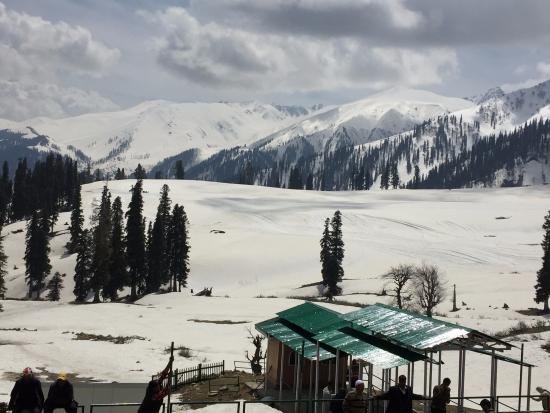
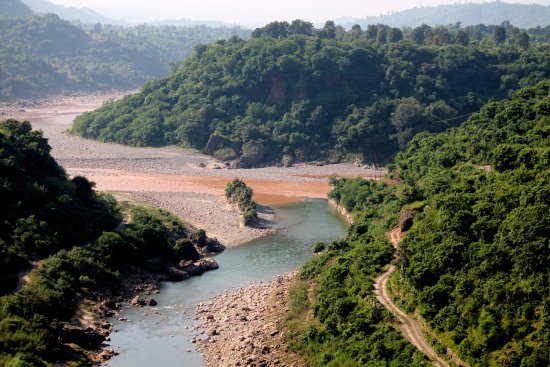
The journey from Katra to Srinagar covers the stretch between the plains of Jammu and the Kashmir Valley. Depending on the route and mode of travel, the trip typically takes between 7 and 12 hours by road. Weather, roadwork and traffic can add time, especially in winter when snow is possible at higher passes. Expect changing landscapes: from the plains around Jammu through winding mountain valleys, pine-clad slopes and finally the lush Dal and Nigeen Lake area of Srinagar.
Option 1 — Train and road combination
Using the rail network for much of the journey and completing the last leg by road is a popular choice for comfort and convenience.
How it works
- Board a train from Katra station or Jammu Tawi station depending on availability and convenience.
- Disembark at Jammu Tawi or Udhampur if you prefer a shorter road journey; many travellers take a private taxi, shared cab or state-run bus from these stations to Srinagar.
Pros
- Rail travel is comfortable and less tiring than long road travel in hilly terrain.
- You can travel overnight on some trains to save daytime hours.
- Trains are generally reliable and offer options for different budgets.
Cons and tips
- There is no direct high-speed rail all the way into the Kashmir Valley; a road transfer is required for the final stretch.
- Book tickets in advance during peak pilgrimage and tourist seasons.
- Keep luggage and valuables secure during station transfers; authorised pre-paid taxis are a safer choice for onward travel.
Option 2 — Fly from Jammu to Srinagar
If speed is your priority, fly the short domestic sector from Jammu Airport to Srinagar Airport. Katra itself does not have an airport; you will first need to transfer to Jammu (around 1.5–2 hours by road depending on traffic).
How it works
- Take a taxi or bus from Katra to Jammu Airport or Jammu city.
- Catch a domestic flight to Srinagar; flight time is short and gives you quick access to the valley.
- On arrival in Srinagar, short transfers will take you to Dal Lake, hotels or houseboats.
Pros
- Fastest option for travellers short on time or who prefer to avoid long road journeys.
- Frequent flights during peak season and good connectivity from major Indian cities via Jammu.
Cons and tips
- Flights are subject to weather delays in winter due to fog or snow; always allow buffer time for onward plans.
- Advance booking recommended during festivals and summer holidays.
Option 3 — Direct road travel by taxi or private car
Driving from Katra to Srinagar or hiring a private taxi is the most flexible way to travel — it lets you stop at viewpoints and small towns along the route.
Route highlights
- Typical route follows the Jammu–Udhampur–Ramban–Banihal corridor into the Kashmir Valley via the Jawahar (Banihal) tunnel.
- Notable stops: Udhampur, Patnitop or Sanasar for mountain views, Ramban for local tea stalls and the Banihal tunnel before descending into the valley.
Pros
- Door-to-door convenience and the ability to customise your schedule.
- Excellent for families or groups who want privacy and comfort.
Cons and tips
- Mountain roads can be narrow with hairpin bends; choose an experienced local driver if you are not confident driving yourself.
- Road travel takes longer and can be tiring; plan rest stops and begin early to avoid driving after dark in some sections.
- Confirm fuel availability and pin down a reliable taxi operator through recommendations or your hotel.
Option 4 — Shared cabs and state-run buses
For budget travellers, shared taxis and state-run buses operate between Jammu, Katra and Srinagar. These are economical but less comfortable for long journeys.
Pros
- Cost-effective and available if you are flexible with time.
- Good option if you are travelling solo or on a tight budget.
Cons and tips
- Shared cabs may wait to fill up before departure; buses can be slower due to stops.
- Carry snacks, water and warm clothing; bus interiors can be cold at higher elevations.
Seasonal considerations
Weather drives the practicalities when travelling to Kashmir.
- Summer (April–June): Prime tourist season with pleasant weather, open roads and many services running. Book accommodations early for peak months.
- Monsoon (July–September): Expect showers and occasional landslides in the foothills; check road reports before you travel.
- Autumn (October–November): Clear skies and crisp days make it a good time to visit; nights are cooler.
- Winter (December–March): Snow can close higher passes and cause delays; the Jawahar tunnel keeps the Srinagar–Jammu link open most winters, but expect slower driving and occasional restrictions.
Practical travel tips
- Travel permits and ID: Carry valid photo ID (Aadhaar, passport or driver’s licence). Keep printouts or digital copies of reservations and tickets.
- Start early: Begin morning drives to avoid fatigue and night driving in narrow sections.
- Book in advance: For flights, trains and private taxis during pilgrimage (Vaishno Devi) and summer tourist seasons.
- Warm clothing: Even in summer, mornings and evenings in the valley can be cool. Winters require heavy woollens and thermal wear.
- Vehicle readiness: Ensure tyre condition, spare tyre, tools and sufficient fuel. In winter, carry chains if self-driving and check local requirements.
- Cash and ATMs: Cash is useful in smaller towns; ATMs are available in major centres but may be scarce en route. Carry some emergency cash.
- Mobile connectivity: Network coverage can be patchy in mountain stretches. Download offline maps and keep physical directions as backup.
- Respect local customs: Kashmir has a distinct culture; dress modestly in rural areas and be polite when photographing people or religious sites.
- Health and safety: If you have health conditions, carry medications and a basic first-aid kit. Travel insurance is advisable for longer trips.
Suggested itineraries
Pick an approach based on time and travel style.
Quick trip (1–2 days)
- Fly from Jammu to Srinagar or take the fastest train + taxi combination.
- Stay one night in a houseboat or hotel in Srinagar, explore Dal Lake and Mughal gardens.
Comfortable road trip (3–4 days)
- Drive from Katra to Patnitop for a stopover, enjoy mountain views and local food.
- Continue to Srinagar via Ramban and Banihal, arrive afternoon, rest and soak in the valley.
- Use day two to see local sights: Mughal gardens, Shankaracharya temple, and a shikara ride.
Leisurely exploration (5–7 days)
- Combine Vaishno Devi pilgrimage with a relaxed descent to Srinagar, stopping at scenic points like Sanasar and Patnitop.
- Spend several days in and around Srinagar visiting Gulmarg, Pahalgam or Sonamarg as day trips.
Local transport in Srinagar
On arrival, local transport options include taxis (metered and fixed fare), auto-rickshaws, and shikaras on Dal Lake. For day trips to Gulmarg or Pahalgam, pre-booked cabs are convenient. Hotels and houseboats often assist with trusted drivers and tour arrangements.
Tip: If you plan to visit multiple destinations in the valley, consider a local driver for a few days — it reduces time spent organising transport and helps with local knowledge on best viewpoints and timings.
Safety, security and etiquette
Kashmir is welcoming to tourists, but being informed makes travel smoother.
- Check local news and travel advisories before starting the journey.
- Follow directions of local authorities in case of road diversions or checkpoints.
- Be sensitive to cultural and religious practices; ask before photographing people, particularly in rural or religious settings.
Conclusion
Choosing the right way to travel from Katra to Srinagar depends on your priorities: speed (fly), comfort (train + taxi), flexibility (private car) or budget (shared cabs/buses). Plan for seasonal conditions, book key services in advance, and allow extra time for unforeseen delays — that way you arrive in Srinagar relaxed and ready to enjoy the valley’s unique beauty.