Kashmir Weather by Month: What to Expect Through the Year
A month-by-month guide to Kashmir's weather, detailing temperatures, precipitation, recommended activities and packing tips so you can plan the perfect trip any time of year.
By TravMe travel team · · Updated · 7 min read
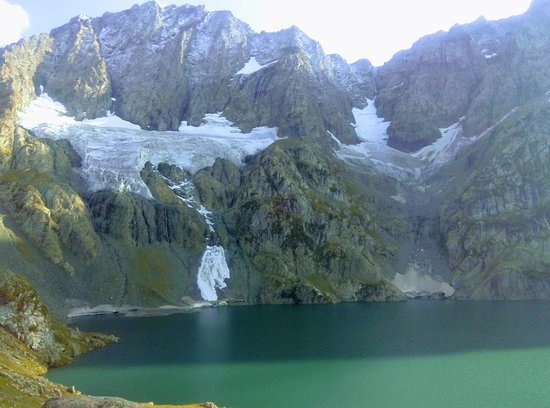
Kashmir's dramatic landscapes — from snow-capped peaks to emerald valleys and turquoise lakes — look different in every month. Understanding the weather through the year helps you choose the right time for houseboats, trekking, skiing, or simply soaking in the scenery. This guide breaks down conditions month by month, highlights activities and festivals, and offers practical packing and travel advice for each season.
Overview: Climate Zones in Kashmir
Kashmir’s weather varies widely with altitude and location. The Kashmir Valley (Srinagar, Gulmarg, Pahalgam) experiences a temperate climate with cold winters and mild summers. Higher altitudes in the Himalayas are alpine, with long winters and short summers. Western disturbances bring much of the valley’s winter precipitation as snow, while summer monsoon influence is more modest than in the plains but can cause rain and occasional floods.
January — Deep Winter: Snow and Silence
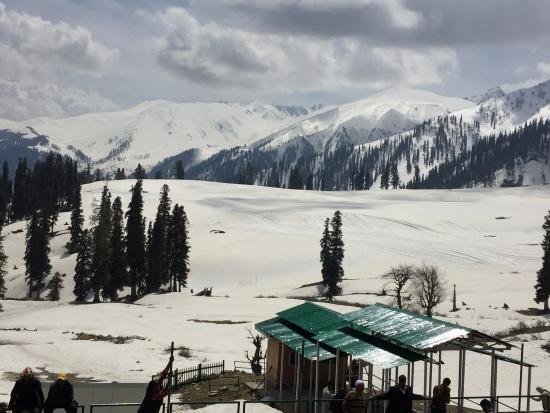
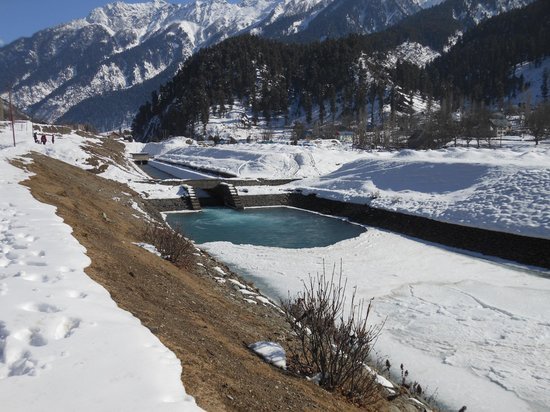
January is the coldest month in the valley. Daytime temperatures often stay near freezing in Srinagar and drop well below at night; higher altitude resorts like Gulmarg and Sonamarg are deeply snowy. Snowfall is common and can blanket roads and fields for days.
What to expect
- Widespread snow in hill stations; lower valley may have crisp, cold days and occasional fog.
- Short days with limited daylight for sightseeing.
- Road conditions can be challenging; some high mountain passes may be closed.
Best activities
- Alpine skiing and snowboarding in Gulmarg.
- Snowshoe walks, shape-filled landscapes and photography.
- Warm houseboat stays on Dal Lake with steaming kahwa and hearthside comfort.
Packing tips
- Heavy insulated jacket, thermal layers, woollen hats, gloves and waterproof boots.
- Moisturiser and lip balm to combat dry, cold air.
February — Late Winter: Still Snowy, Less Severe
February remains a winter month but days gradually lengthen and temperatures may rise slightly. Snow is still common in higher regions while the valley can have crisp, sunny spells.
What to expect
- Good snow cover for winter sports; avalanche risk in some exposed slopes.
- Local festivals and fewer tourists compared with peak holiday weeks.
Best activities
- Skiing in prepared resort slopes, off-piste only with guides.
- Village walks and experiencing local winter cuisine.
March — Transition: Snow Melts, Springs Awakens
March is transitional. As temperatures moderate, snow begins to retreat to higher altitudes and spring blossom starts in sheltered spots. Weather can be unpredictable with clear days punctuated by showers.
What to expect
- Unreliable conditions — still cold at night, mild by day.
- Emerging greenery in the lower valley and early blooms.
Best activities
- Gentler treks at lower altitudes; photography of thawing landscapes.
- Visit saffron fields and apple orchards as they wake up.
April — Spring Arrives: Blooming Gardens and Clear Skies
April heralds the full arrival of spring. The famous Mughal gardens surrounding Srinagar display blooming tulips and ornamental flowers. Temperatures become pleasant, making it one of the most enjoyable months for travel.
What to expect
- Mild, comfortable days and cool nights. Occasional showers.
- Increased tourist activity, especially around garden open days.
Best activities
- Strolls in Mughal gardens, shikara rides on Dal Lake and local markets.
- Short day treks and wildlife watching as nature becomes active.
May — Late Spring: Verdant Valleys and Festivals
May brings some of the best weather in Kashmir. The valley is lush and the mountains shine in clear light. Temperatures are pleasantly warm in the daytime, though nights remain cool.
What to expect
- Stable weather; ideal for sightseeing and outdoor activities.
- Wildflowers on meadows at higher elevations begin to appear.
Best activities
- Trekking to mid-altitude meadows, visiting Pahalgam and Gulmarg circuits.
- Base for longer Himalayan treks that open up as snow recedes.
June — Early Summer: Peak Tourist Season
June marks the start of the tourism high season. With warm days and long daylight hours, Kashmir becomes very appealing for travellers looking to escape the plains' heat.
What to expect
- Warm, pleasant days and cool nights; mountain streams full from snowmelt.
- More tourists — book accommodation and transport in advance.
Best activities
- Complete valley tours, trekking, river rafting in designated stretches and photography.
- Attend local cultural events and explore cottage industries such as Pashmina and Papier-mâché.
July — Monsoon Influence: Rainy Days at Times
July sees increased humidity and rainfall due to the monsoon’s western influence. While Kashmir receives less rain than the coastal regions, heavy spells can occur and may affect travel plans.
What to expect
- Warm and humid with periodic rain; clouds can shroud mountain views.
- River levels rise; some trails become slippery.
Best activities
- Short walks when it clears, enjoying the lush green landscapes and waterfalls at full flow.
- Indoor cultural experiences — handicraft shops, local cuisine and houseboats.
August — Late Monsoon: Lush but Unpredictable
August remains similar to July — verdant terrains but with occasional heavy rainfall. The valley looks at its greenest, and high-altitude meadows are vibrant.
What to expect
- Good greenery and wildflower displays; occasional roadblocks due to landslips in heavy downpours.
- Variable visibility for mountain vistas.
Best activities
- If weather permits, high meadows and alpine lakes are rewarding.
- Cultural immersion and slow travel — ideal for photography of landscapes between showers.
September — Post-monsoon: Clear Skies Return
September offers a pleasant window after the monsoon. The air clears, humidity drops and temperatures are mild — a great month for all kinds of outdoor activities.
What to expect
- Stable weather and clear mountain views; decreased chance of rain.
- Start of the apple harvest season in orchards.
Best activities
- Trekking at varying altitudes and sightseeing across the valley.
- Photography of clear landscapes and cultural festivals that mark the harvest season.
October — Autumn Colours: Golden Valleys and Crisp Air
October is perhaps the most photogenic month in Kashmir. Deciduous trees turn shades of gold and crimson; the air is crisp and cool during the day and cold at night.
What to expect
- Crisp, dry weather and dramatic autumn foliage in valleys and higher slopes.
- Shorter days and cooler temperatures requiring warmer clothing at night.
Best activities
- Leaf-peeping drives, photography, gentle treks and local market visits for seasonal produce.
- Ideal time for camping in well-equipped sites before winter snow begins.
November — Early Winter: Chilly Mornings and First Snowfalls
November cools rapidly. The first substantial snowfalls often begin in higher altitudes. Lower valleys experience frosty mornings and shorter daylight, signalling the end of the outdoor season for many activities.
What to expect
- Rapidly falling temperatures, especially after sunset; variable precipitation as rain or early snow.
- Some resorts start closing facilities that are winter-dependent.
Best activities
- Early-season winter sports at higher resorts if snow arrives; cosy houseboat or hotel stays.
- Watch seasonal preparations in villages and orchards for winter.
December — Winter Sets In: Snow at Higher Altitudes
December ushers in full winter in many parts of Kashmir. Snow becomes regular in hill stations and higher valleys, and the festive atmosphere makes it a quietly magical time to visit — if you are prepared for cold and potential travel delays.
What to expect
- Snow at higher altitudes, cold in the valley and possible disruptions on roads and passes.
- Indoor cultural experiences and winter fares in towns.
Best activities
- Skiing, snow festivals, snowman-building and the cosy charm of houseboats.
- Photographic opportunities of snow-covered architecture and landscapes.
Practical Travel Tips Year-Round
- Book smart: Peak months (May–June, September–October) fill up; reserve accommodation and transfers in advance.
- Layering is key: Weather can change quickly with altitude — pack light layers, waterproof outerwear and sturdy footwear.
- Roads and passes: High passes are seasonal; check local updates before planning cross-valley drives.
- Health and altitude: Stay hydrated, ascend gradually if moving to higher altitudes, and consult a doctor for severe altitude sensitivities.
- Local advice: Use experienced local guides for treks and winter sports. They know microclimates and safe routes.
For first-time visitors, aim for April–June or September–October for the most reliable combination of good weather and accessibility.
Conclusion
Kashmir offers a different kind of beauty every month. Winters are for snow lovers and skiing, springs and early summers bring blooms and pleasant touring weather, the monsoon months make the valley intensely green, and autumn paints the landscape in gold. Match your interests — whether skiing, trekking, photography or cultural experiences — to the right months, pack layers and local knowledge, and you’ll enjoy Kashmir in any season.