Kashmir Trip Checklist: Everything to Sort Before You Go
A practical, room-by-room checklist to prepare for a memorable Kashmir trip — from travel documents and clothing to health, packing, transport and sightseeing tips tailored for Indian travellers.
By TravMe Holidays travel team · · Updated · 6 min read
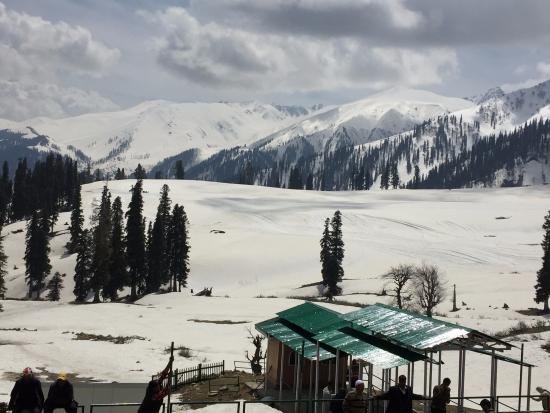
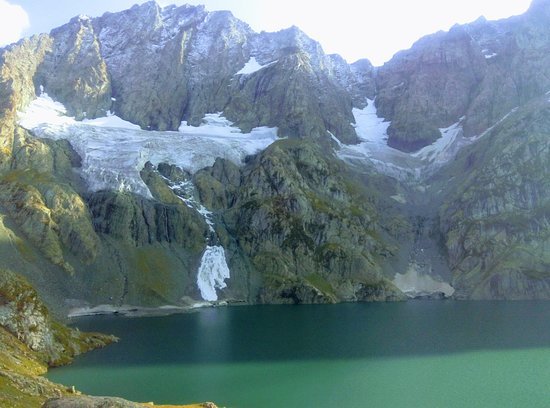
Kashmir is a dream destination — verdant valleys, shimmering lakes, snow-capped peaks and that rare feeling of slow, cosy time. But to enjoy the best of Srinagar, Gulmarg, Pahalgam and Sonamarg you need to plan thoughtfully. This checklist covers everything to sort before you go, so you travel with confidence and return with only beautiful memories.
Documents, permits and bookings
Getting the paperwork and reservations in order is the first step. A smooth start prevents surprises at checkpoints, hotels and transport hubs.
IDs and photocopies
- Carry at least two valid government-issued IDs (Aadhaar, passport, voter ID) — one for routine checks and one as a backup.
- Keep photocopies and digital scans (in email or cloud) of your IDs and hotel confirmations.
- If you are travelling with children, carry their birth certificates or school IDs where applicable.
Permits and passes
- Check if you need any specific permits for restricted areas. Most popular tourist circuits in Kashmir are open, but some border-adjacent zones may need permissions.
- If you plan to travel to high-altitude or sensitive border regions, enquire with local authorities or your travel agent well in advance.
Bookings and confirmations
- Book accommodation in advance, especially during peak seasons such as summer, Eid holidays and winter sports months. Keep printed and digital confirmation.
- If you plan to hire taxis or a car with a driver, pre-book with a reliable operator or through your hotel. For local sightseeing, negotiate fares clearly before starting the day.
- Reserve popular activities like gondola rides in Gulmarg or shikara rides in Srinagar early to avoid last-minute price surges.
Packing: clothes and gear
Weather in Kashmir can change quickly. Packing layerable clothing and a few destination-specific items will make your trip comfortable across all seasons.
Seasonwise essentials
- Summer (May–September): Light cottons for daytime, a warm mid-layer for evenings, a windcheater or light down jacket for higher reaches like Gulmarg or Sonamarg.
- Monsoon (July–September): Waterproof jacket, quick-dry clothing and waterproof footwear. Keep insect repellent handy in lower valleys.
- Autumn (September–November): Layering is key — thermals, sweaters, and a warm jacket.
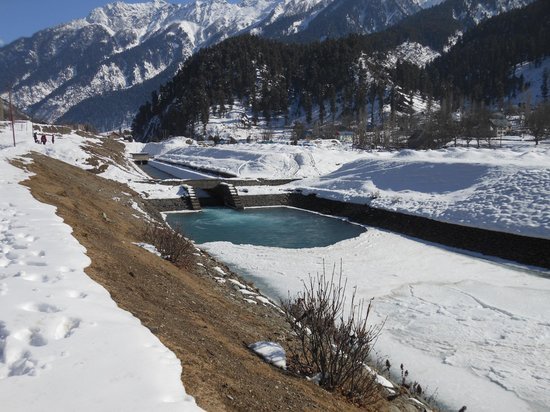
- Winter (December–February): Heavy woollens, insulated jacket, thermals, gloves, warm cap and good snow boots. Don’t forget sunglasses for snow glare.
Footwear and accessories
- Comfortable walking shoes for sightseeing. Sturdy hiking shoes or boots if you plan treks.
- Sandals or light shoes for houseboats and hotels.
- Sun protection: wide-brim hat, sunglasses, and high-SPF sunscreen even in cold months.
- A compact travel umbrella and a waterproof cover for your backpack.
Specialist gear
- Trekking poles, water bottle, headlamp and a small first-aid kit for independent trekkers.
- For winter sports, check rental availability for skis/snowboards and helmets in Gulmarg — carrying your own gear may add convenience but also luggage weight.
Health and medicines
Staying healthy on your trip means planning for common issues and altitude-related symptoms if you are visiting high-altitude locations.
Basic medical kit
- Personal prescription medicines with a copy of the prescription.
- Analgesics, antacids, antihistamines, motion sickness pills and oral rehydration salts.
- Antiseptic wipes, band-aids, gauze and a basic antibiotic ointment.
- Thermometer and hand sanitiser.
Altitude awareness
- Some spots in Kashmir, such as parts of Gulmarg and Sonamarg, are at higher altitudes. Symptoms of mild altitude sickness include headache, nausea and dizziness.
- Ascend gradually, stay hydrated, avoid alcohol on arrival, and rest on the first day if you feel unwell.
- Consult your doctor about preventive medication if you have a history of altitude sickness or significant medical conditions.
Money, payments and connectivity
Plan how you will pay and stay connected. While urban centres offer good facilities, some rural areas may be cash-heavy or have patchy signals.
Cash and cards
- Carry a combination of cash and cards. Keep some small-denomination notes for local vendors, tea stalls and tips.
- ATMs are readily available in Srinagar and bigger towns, but carry enough cash when travelling to remote areas.
SIMs, data and Wi‑Fi
- Check mobile network coverage for your operator. J&K has good coverage in towns but weaker signals in higher reaches and remote valleys.
- Carry a power bank and universal plug adapter if you bring multiple devices.
Transport and local travel
Decide how you will move between destinations and around towns. Road conditions, travel times and weather can affect plans.
Reaching Kashmir
- Srinagar has an airport with regular flights; Jammu is another common entry point by air or rail. Road journeys from Jammu to Srinagar are scenic but can be long.
- Check flight or train timings against your itinerary to avoid overnight road travel on difficult stretches.
Getting around
- Hiring a private taxi for the trip offers flexibility and is a popular choice for Indian families and groups.
- Shared cabs and local buses are economical but check schedules and road safety standards.
- In Srinagar, enjoy shikara rides for short lake trips; for city sightseeing, taxis and local buses work fine.
Driving tips
- If you plan to self-drive, ensure your vehicle is well-serviced. Mountain driving requires caution, especially on narrow, wet or icy roads.
- Keep an emergency kit, tyre inflator and contact numbers for local helplines and your rental agency.
Itinerary planning and experiences
A good itinerary balances must-see sights with relaxed time to absorb Kashmir’s landscapes and culture.
Must-do activities
- Srinagar: Stay on a houseboat, explore Mughal gardens (Shalimar Bagh, Nishat Bagh), and take a shikara on Dal Lake.
- Gulmarg: Ride the Gulmarg Gondola, enjoy meadow walks in summer and skiing in winter.
- Pahalgam: Visit Betaab Valley, Baisaran and enjoy gentle treks or pony rides.
- Sonamarg: Scenic drives and short treks; check access depending on season.
Pacing and local time
- Allow for travel time between destinations — roads can be slower than expected due to terrain and weather.
- Include rest days, especially after long road transfers or time at high altitude.
Food, culture and safety
Understanding local customs and cuisine enhances your experience and keeps you respectful and safe during your stay.
Food and water
- Enjoy Kashmiri specialities like rogan josh, dum aloo and kahwa. If you have a sensitive stomach, opt for freshly cooked food from reputable places.
- Drink bottled or boiled water. Carry oral rehydration salts if you’re prone to stomach upset when travelling.
Cultural etiquette
- Dress modestly in villages and religious sites. Locals appreciate respectful behaviour at mosques and shrines.
- Ask before photographing people, especially in rural areas and markets.
Safety tips
- Follow local guidance on areas to avoid. Keep your valuables secure and avoid isolated spots after dark.
- Share your itinerary with family or friends and keep emergency contact numbers handy.
Sustainable and responsible travel
Travelling responsibly ensures Kashmir’s environment and culture are preserved for future visitors and residents.
- Respect the fragile ecology: do not litter, use refillable water bottles and avoid single-use plastics when possible.
- Support local artisans and shops. Buying pashmina, walnut wood carvings and saffron from trusted local sources helps the community.
- Choose eco-friendly accommodation and certified guides when available.
Tip: A little planning goes a long way — an organised trip means more time to savour the landscapes, flavours and warm hospitality of Kashmir.
Last-minute checklist before departure
- Confirm flight/train timings and hotel/taxi bookings one day before departure.
- Pack chargers, power bank, IDs, medical kit and a small daypack with essentials for arrival day.
- Inform your bank about travel to avoid card blocks and make sure you have emergency cash.
- Download offline maps and store accommodation addresses and local contacts on your phone.
With these checks completed you are ready to experience Kashmir confidently — from floating on a shikara at dawn to walking through alpine meadows at sunset. Whether this is a family holiday, a romantic escape or an adventure trip, thoughtful preparation helps you relax and make the most of every moment.
Have a wonderful trip to Kashmir — travel safe, respect local customs and bring back stories (and maybe a packet of saffron) to savour at home.