Is Ladakh Safe for Tourists? Practical Safety Tips
Ladakh is generally safe for tourists who prepare well and respect local rules. This guide offers practical safety tips on altitude, travel logistics, weather, permits, health and personal security.
By TravMe Holidays travel team · · Updated · 5 min read
Ladakh's stark landscapes, high-altitude deserts and ancient monasteries draw travellers from across India and the world. While the region is welcoming and generally safe, its extreme environment and remote locations mean that being well-prepared is essential. This article outlines practical safety advice to help you enjoy Ladakh responsibly and confidently.
Understanding the Risks: What Makes Ladakh Different
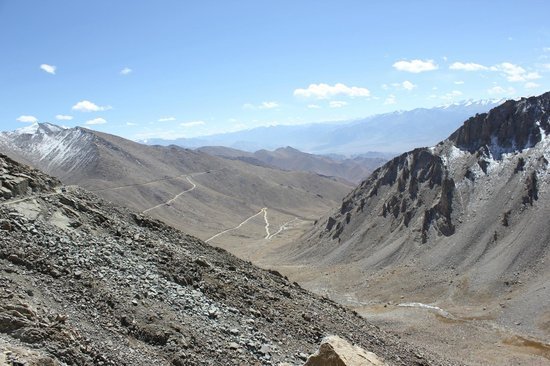
Ladakh sits at very high altitude; Leh town itself is around 3,500 metres above sea level, and many popular passes and valleys are much higher. The main risks here are environmental rather than criminal: altitude sickness, sudden weather changes, treacherous roads, limited medical facilities and communication gaps. Seasonal road closures and restricted areas add logistical complexity.
Altitude and Acclimatisation
Altitude-related illness is the single biggest health risk for visitors. Acute Mountain Sickness (AMS) can affect anyone, regardless of fitness or prior experience. Take acclimatisation seriously:
- Ascend slowly: Spend at least 2 full days in Leh before attempting higher passes or riding to remote valleys.
- Hydrate and eat light: Drink plenty of fluids and avoid heavy meals and alcohol in your first 48 hours.
- Recognise symptoms: Headache, nausea, dizziness, fatigue and difficulty sleeping are early signs. Do not ignore persistent symptoms.
- Have a plan: If symptoms worsen (severe breathlessness, confusion, walking difficulty), descend immediately and seek medical help.
- Consider medication: Discuss acetazolamide (Diamox) with your doctor before travel; some travellers use it prophylactically.
Health, Medical Care and Insurance
Healthcare in Leh offers basic emergency services, but specialised high-altitude or trauma care is limited. For remote treks or motorbike trips you may be hours away from a hospital.
- Travel insurance: Buy comprehensive insurance that covers high-altitude activities, helicopter evacuation and emergency medical treatment. Read exclusions carefully.
- Basic medical kit: Carry a first-aid kit, blister care, rehydration salts and common medications. Include any prescription drugs in original packaging.
- Local clinics and chest pain: Respiratory issues can be serious at altitude. Seek prompt care for chest pain or severe breathlessness.
Road Safety and Getting Around
Road conditions in Ladakh vary from good tarmac between major points to narrow, water-cut Himalayan tracks. Monsoon and winter can make routes hazardous.
Driving and Motorbiking
- Experienced riders only: If you plan a solo motorbike trip, ensure you have prior experience on mountain roads and are comfortable with long rides at altitude.
- Vehicle maintenance: Check brakes, tyres, lights and fuel capacity. Carry essential spares and tools, and rent from reputable operators.
- Drive defensively: Watch for landslides, sudden fog, sharp hairpins and military convoys. Keep to slower speeds and allow for long braking distances.
- Night travel: Avoid driving at night where possible; road lighting is poor and obstacles are hard to see.
Public Transport and Taxis
Shared taxis and scheduled buses are common and often safer for those unfamiliar with mountain driving. Agree fares upfront and confirm pick-up/drop points. In remote areas, travel in groups and inform someone of your itinerary.
Weather, Seasons and Packing
Ladakh has a short summer season (late May to September). Winters are extremely cold and many roads close. Weather can change rapidly—sunny mornings may become windy, snowy or freezing by late afternoon.
- Layered clothing: Pack warm layers, windproof outerwear, gloves, hat and sunglasses. UV radiation is stronger at altitude—use high-SPF sunscreen and a wide-brim hat.
- Footwear: Sturdy, broken-in trekking shoes with good ankle support are essential for walks and even village visits.
- Hydration and food: High-calorie snacks, water purification tablets and electrolyte solutions are helpful for remote excursions.
Permits, Regulations and Restricted Areas
Certain parts of Ladakh require permits for Indian and foreign tourists. Check current rules before travel and carry copies of your identification and permits.
- Inner Line Permits/ILP: Required for some border-adjacent areas. Apply through official channels or with your tour operator.
- Restricted zones: Some valleys and border regions are off-limits; do not attempt to cross or camp in restricted territories.
- Local customs: Respect monastery rules, photography restrictions and dress codes. Always ask before photographing people, especially in religious settings.
Personal Security and Cultural Respect
Ladakhis are warm and hospitable; crime against tourists is low. Still, basic precautions are sensible.
- Secure valuables: Use hotel safes for passports and cash; carry photocopies when travelling locally.
- Travel in groups: For remote treks or offbeat roads, travel with companions or a guide.
- Respect local norms: Dress modestly in villages and monasteries, ask before entering sacred spaces and accept invitations graciously.
- Female travellers: Solo female travellers generally find Ladakh safe, but standard precautions apply—avoid isolated walking at night and trust your instincts.
Wildlife, Rivers and Outdoor Safety
Wildlife encounters are rare but possible. Rivers can be deceptively strong; glacial streams are cold and swift.
- River crossings: Never attempt to cross swollen streams; use marked bridges and avoid crossing alone.
- Campsites: Camp in authorised spots; keep food secured away from wildlife and follow Leave No Trace principles.
- Trekking etiquette: Hire local guides for unfamiliar routes, start hikes early to avoid afternoon weather changes and inform your lodge or operator about your trail plans.
Tip: Building in rest days and moving slowly is the simplest and most effective safety practice in Ladakh—your body needs time to adapt to the thin air.
Communications and Emergency Planning
Mobile connectivity is improving but patchy, especially in high valleys. Plan for limited communication.
- Local SIM and power: Buy a local SIM in Leh for better coverage and carry extra power banks and solar chargers for longer trips.
- Emergency contacts: Note the location of the nearest hospital in Leh or your travel base and share your itinerary with family or your tour operator.
- Helicopter evacuation: In severe emergencies, helicopter evacuation might be the only option—ensure your insurance covers it and that you have a clear plan with your operator.
Practical Tips for a Safe, Enjoyable Trip
- Start your journey to Ladakh from Leh by air if possible to reduce lower-altitude travel stress, then allow days to acclimatise.
- Hire reputable guides and drivers through trusted agencies; local knowledge is invaluable for safety and culture.
- Carry copies of your ID, permit paperwork and emergency contact details with you at all times.
- Follow local advice on weather and road conditions; sometimes a postponed plan is the wisest choice.
Conclusion
Ladakh is safe for tourists who respect the environment, local rules and the limits of their own bodies. With sensible acclimatisation, careful planning, good gear and a respect for local culture, you can explore this spectacular region with confidence. Prepare well, travel responsibly and the high deserts of Ladakh will reward you with unforgettable vistas, warm hospitality and lasting memories.