Is Guwahati the Best Base for Exploring the Seven Sisters?
Guwahati is a practical logistics hub for exploring India’s Seven Sisters—excellent connectivity and services—but not always the best single base for deep, state-by-state immersion. Plan mixed bases and permits.
By TravMe Holidays travel team · · Updated · 7 min read
Guwahati often comes up in travel plans as the gateway to the Seven Sisters of India: Arunachal Pradesh, Assam, Meghalaya, Manipur, Mizoram, Nagaland and Tripura. As the largest city in the northeast, it offers the most reliable transport links, urban comforts and tourism infrastructure—but is it the best single base for exploring each of the Seven Sisters? The short answer: it depends on what you want to see and how you prefer to travel. This guide breaks down the practicalities, advantages and limitations so you can plan a smarter, more enjoyable trip.
Why travellers choose Guwahati as a base
Guwahati is the natural entry point to Northeast India for most visitors, especially those flying in from other parts of India. There are several good reasons it is widely used as a base or transit hub.
Excellent connectivity
- Air links: Lokpriya Gopinath Bordoloi International Airport in Guwahati has regular flights to major Indian cities, making it the easiest way to enter the region.
- Rail and road: The city is well connected by rail and national highways, with long-distance trains and state transport buses serving neighbouring states.
- Hub for onward travel: From Guwahati you can get buses, shared taxis and flights (to certain state capitals) for onward journeys into Meghalaya, Arunachal and beyond.
Services and amenities
Guwahati provides the comforts travellers expect after long journeys: a range of hotels, medical facilities, currency exchange, mobile connectivity and tour operators. This makes it practical for first-time visitors to the region or those who want a secure starting point before heading into remote areas.
Familiar logistics and resources
Many guided tours and independent itineraries begin in Guwahati, so you can easily arrange transport, local guides and permits from the city. For travellers who prefer organised travel, this simplifies planning.
Where Guwahati isn’t the best base
Despite its advantages, Guwahati is not always the ideal single base for exploring the Seven Sisters if your goal is deep exploration of each state. Here are the main limitations.
Distance and travel time
The Seven Sisters cover a large, diverse geographical area. Some state capitals and attractions are many hours—or even a day—away from Guwahati by road. For example, Imphal, Aizawl and Agartala are distant enough that daily returns are impractical. Relying on Guwahati for everything can mean excessive transit time and repeated backtracking.
Permits and administrative boundaries
Several states require permits for certain areas. Arunachal Pradesh requires an Inner Line Permit (ILP) or Protected Area Permit depending on your nationality; Nagaland, Mizoram and Manipur impose Inner Line Permit rules for visitors. While you can arrange some permits from Guwahati, many are issued locally or need advance online application—so staying in the state capital can be more practical for permit-related business.
Limited immersion in local culture and landscapes
If you want to experience the hill towns, tribal villages and unique landscapes of each state, it’s better to establish local bases. Shillong for Meghalaya, Itanagar for Arunachal, Kohima for Nagaland, Imphal for Manipur, Aizawl for Mizoram and Agartala for Tripura all provide easier access to nearby attractions and more authentic local experiences.
State-by-state: How practical is Guwahati as your starting point?
Assam
Guwahati is a great base for exploring Assam. The city itself has attractions such as Kamakhya Temple and riverside walks. From here you can reach Kaziranga National Park, Sivasagar and the tea estates with manageable travel times. Assam requires relatively less overland travel compared with other states, making day trips or short overnight stays feasible.
Meghalaya
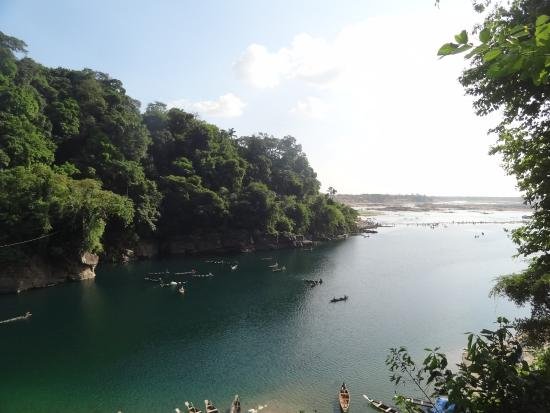
Shillong is about three hours from Guwahati by road and makes a popular weekend trip. Many travellers use Guwahati as a hub and then move to Shillong (and Cherrapunji, Mawlynnong and Dawki) for deeper exploration of Meghalaya’s living root bridges, caves and waterfalls. You can comfortably base yourself in Guwahati and do a multi-day circuit to Meghalaya, but staying in Shillong gives you extra flexibility.
Arunachal Pradesh
Parts of Arunachal are reachable from Guwahati, especially western districts like Tawang (though Tawang still involves a long mountainous drive). Permits are required for many areas and roads can be challenging during monsoon and winter. For visiting Itanagar or Ziro and nearby tribal regions, plan to shift your base to Itanagar or a local town rather than returning to Guwahati each night.
Nagaland
Kohima and Dimapur are best reached by road or rail from Guwahati. Dimapur has the nearest railway station and an airport with limited flights. For the Hornbill Festival or tribal village visits, stay in Kohima/Dimapur rather than attempting day trips from Guwahati.
Manipur
Imphal is a considerable distance away; flying is the sensible option when possible. From Guwahati a road trip can take a long time and cross hilly terrain. If your focus is Manipur’s Loktak Lake, Ima Keithel market and local culture, base yourself in Imphal.
Mizoram
Aizawl is remote from Guwahati and requires a long drive or a connecting flight. Mizoram’s geography and permits make it more convenient to base in Aizawl when exploring the state’s hills and villages.
Tripura
Agartala is distant by road; there are occasional flights connecting to Guwahati but often it’s more efficient to fly via Kolkata or to plan a multi-stop trip. For major Tripura attractions, staying in Agartala is recommended.
Practical itineraries using Guwahati
Depending on your time, interests and travel style, here are a few realistic approaches.
Short trip (5–7 days): Focused circuits
- Base in Guwahati and do trips to Kaziranga (2 days) and Shillong/Cherrapunji (2–3 days). This gives a mix of wildlife and Meghalaya’s landscapes in a compact itinerary.
- Pros: Minimal base changes, manageable travel. Cons: Limited reach into farther states.
Medium trip (10–14 days): Hub-and-spoke with a local switch
- Start in Guwahati, visit Kaziranga and Shillong, then transfer to Itanagar or Tawang (Arunachal) or Dimapur/Kohima (Nagaland) for a few days.
- Pros: Covers more states with concentrated local stays. Cons: Requires planning for permits and mountain travel.
Extended trip (3+ weeks): Multiple bases
- Use Guwahati as your international/long-distance arrival and departure hub, but allocate several nights in each state capital you wish to explore—Shillong, Itanagar, Kohima, Imphal, Aizawl and Agartala.
- Pros: Authentic experiences and less hurried travel. Cons: More complex logistics and longer overall travel time.
Essential travel tips when using Guwahati as a hub
- Permits: Check Inner Line Permit requirements and apply online where possible. Allow time for processing; some permits are issued at state entrances but rules change, so confirm ahead.
- Weather and seasons: Monsoon (June–September) brings heavy rain and landslides in hilly areas. Winter is pleasant but can be foggy for flights. Plan travel according to local weather patterns.
- Transport booking: Pre-book long-haul trains and flights during festival seasons. Shared taxis and local buses fill up quickly on popular routes.
- Health and safety: Carry a basic medical kit, necessary prescriptions and insect repellent. Stay updated on local advisories and respect tribal customs and restricted areas.
- Local guides: Hiring local guides enriches cultural understanding and helps navigate permits, language and remote roads.
- Cash and connectivity: ATMs are available in Guwahati and state capitals, but remote areas may be cash-only and have patchy mobile data coverage. Plan accordingly.
Tip: Treat Guwahati as the operational heart—great for arrivals, planning and short excursions—but be prepared to move your base to state capitals for deeper, more relaxed exploration of each of the Seven Sisters.
Comparing Guwahati with alternative hubs
It helps to think of Guwahati as the regional airport and supply centre rather than a cozy home base for the entire northeast. Alternative hubs include Shillong for Meghalaya, Itanagar for Arunachal, Dimapur/Kohima for Nagaland, Imphal for Manipur, Aizawl for Mizoram and Agartala for Tripura. Each capital shortens travel time to nearby attractions and offers a more intimate gateway into the state’s culture and landscapes.
Final recommendation
If your travel style is to cover multiple states in a limited time, stick with Guwahati as your main hub: it minimises administrative friction and offers reliable flight and rail options. If you have the time or want deeper, less rushed experiences, plan multiple bases—arrive and depart through Guwahati, but spend dedicated blocks of time in the capitals or towns within each state you want to explore.
Ultimately, Guwahati is the best logistical base for the Seven Sisters in terms of connectivity and services, but it is rarely the single best base for immersive exploration. A hybrid approach—using Guwahati as your gateway and shifting bases according to your itinerary—gives the best of both worlds.
Happy planning, and travel thoughtfully: the Seven Sisters reward patience and curiosity with some of India’s most diverse cultures and landscapes.
Quick checklist before you depart from Guwahati
- Confirm flight or train bookings and local transfers.
- Apply for any required permits and carry printed copies.
- Book first-night accommodation in Guwahati to recover from travel.
- Download offline maps and store important contact numbers.
- Pack for varied climates—layers for hills, rain gear for monsoon, and sunscreen for plains.