How to Split Your Holiday Days Between Assam and Meghalaya
Practical guide to dividing holiday time between Assam and Meghalaya's Seven Sisters region, with suggested itineraries, transport tips, highlights and travel advice for a smooth, memorable trip.
By TravMe Holidays travel team · · Updated · 7 min read
The Seven Sisters — a poetic phrase that often refers to the northeastern Indian states — evokes verdant hills, tumbling waterfalls, living root bridges and vibrant tribal cultures. If you have limited time and want to split your holiday between Assam and Meghalaya, planning becomes key: both states offer distinct experiences and are best enjoyed with a balanced itinerary. This guide helps you allocate days, choose transport, pick must-see sights and craft a relaxed yet fulfilling trip.
Why split your holiday between Assam and Meghalaya?
Although Assam and Meghalaya are geographically close, they offer contrasting landscapes and experiences. Assam is characterised by broad river valleys, tea gardens, wildlife sanctuaries and rich Assamese culture. Meghalaya is a highland state of misty plateaus, limestone caves, living root bridges and Khasi and Garo traditions. Splitting your time lets you enjoy wildlife and river culture in Assam, then trade the plains for the dramatic hills and waterfalls of Meghalaya.
How much time should you spend?
How you split days depends on your interests and total holiday length. Here are three practical approaches depending on your available time:
Short trip: 4–6 days
- 2 days in Guwahati (Assam): Arrive, relax, visit Kamakhya Temple, Assam State Museum, and enjoy a Brahmaputra evening cruise if time permits.
- 2–3 days in Shillong and nearby (Meghalaya): Base at Shillong, visit Ward's Lake, Shillong Peak, and take a day trip to Cherrapunji for waterfalls and living root bridges.
Medium trip: 7–10 days
- 3 days in Assam: Guwahati plus a day trip to Kaziranga National Park or tea gardens near Jorhat/Tezpur (choose based on interest).
- 4–6 days in Meghalaya: Shillong, Cherrapunji, Mawlynnong (Asia’s cleanest village), and Sohra caves or a trek to the Double Decker Living Root Bridge in Nongriat.
Longer trip: 10–14+ days
- 4–6 days in Assam: Guwahati, Kaziranga (2 days safari), Majuli river island or Sivasagar for Ahom heritage, and a tea estate visit.
- 6–8 days in Meghalaya: Shillong, extended stay in Cherrapunji and Mawlynnong, exploration of Mawphlang Sacred Forest, Dawki river and Dawki–Shnongpdeng for boating and clear waters, and deeper treks in the Khasi Hills.
Suggested detailed 8-day itinerary (balanced)
This sample route splits time to cover highlights without rushed travel.
- Day 1 — Arrive Guwahati: Settle in, visit Kamakhya Temple and take a sunset view of the Brahmaputra.
- Day 2 — Guwahati to Kaziranga (optional) or local: If wildlife is a priority, travel to Kaziranga for an evening safari; otherwise visit Umananda Temple and local markets.
- Day 3 — Kaziranga to Shillong: Morning safari then drive to Shillong; relax in the evening at Police Bazaar.
- Day 4 — Shillong to Cherrapunji: Explore Shillong Peak and Elephant Falls on the way; reach Cherrapunji for Nohkalikai Falls at sunset.
- Day 5 — Cherrapunji: Visit Mawsmai Cave, Seven Sisters Falls viewpoint and trek to nearby viewpoints.
- Day 6 — Nongriat Living Root Bridge trek: Trek to double-decker root bridge (full day) or choose a shorter trail.
- Day 7 — Mawlynnong and Dawki: Visit Asia’s cleanest village and enjoy crystal-clear Dawki river boating.
- Day 8 — Return to Guwahati: Drive back and depart or stay an extra night depending on flight schedule.
Transport and logistics
Arrival and regional hubs
Guwahati is the primary gateway for both states with an airport and major rail connections. Shillong (Meghalaya) is roughly 100–120 km from Guwahati by road and takes around 3–4 hours depending on traffic and weather. Plan road transfers carefully: mountain roads demand slower travel and occasional stops.
Road travel and driving tips
- Private car/taxi: The most flexible option for moving between destinations, especially if you plan to visit multiple hill stations and viewpoints. Prefer local drivers who know the roads.
- Shared cabs/buses: Economical but less comfortable; good for short hops like Guwahati–Shillong.
- Internal flights and trains: Limited within the region; domestic flights connect Guwahati to major Indian cities. Trains are best to Guwahati; onward travel is usually by road.
Permits and documentation
Indian nationals generally need no special permits to visit Assam or Meghalaya. Foreign nationals should check visa requirements and any local entry permits. If you plan to visit tribal areas, confirm whether inner-line permits or other authorisations are required for those specific zones.
What to prioritise in each state
Assam highlights
- Kaziranga National Park — for one- or two-day safaris to spot the one-horned rhinoceros and birdlife.
- Brahmaputra River — river cruises, sunset views and the island of Majuli for cultural visits and river life.
- Tea gardens — estate walks and learning about tea processing around Jorhat and Sonitpur areas.
- Historical sites — Sivasagar for Ahom dynasty ruins and temples if you have extra days.
Meghalaya highlights
- Shillong — cultural hub, cafés, and viewpoints.
- Cherrapunji (Sohra) — famous for waterfalls, living root bridges and high rainfall landscapes.
- Mawlynnong — community-driven village offering clean streets, skywalks and cultural interaction.
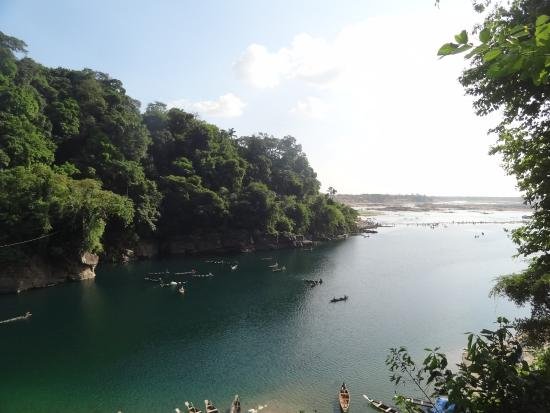
- Dawki and Shnongpdeng — crystal-clear river boating, kayaking and scenic border views with Bangladesh.
Activities and experiences not to miss
- Trek to the living root bridges — a uniquely Meghalaya experience for nature lovers and trekkers.
- Brahmaputra river cruise at sunrise/sunset — serene views and birdwatching opportunities.
- Tea estate visit and tasting — understand Assam tea’s heritage and aromatic processing.
- Explore caves and limestone formations in Meghalaya — Mawsmai and Krem Um-Lieh among others.
- Interact with local communities — Khasi, Garo and Assamese cultures are welcoming; handicrafts and local food add texture to any trip.
Where to stay
Choose accommodation based on priorities: comfortable city hotels in Guwahati for easy access; cosy homestays or guesthouses in Shillong and Cherrapunji for an immersive hill experience. For wildlife visits, forest lodges or wildlife resorts near Kaziranga provide early access for safaris. Booking in advance is wise during peak seasons.
Best time to visit
For a mixed Assam–Meghalaya trip, the most comfortable months are October to April when rainfall is lower and temperatures are moderate. Monsoon (June to September) transforms Meghalaya into a dramatic, mossy wonderland but makes certain trails slippery and some roads difficult. If you plan wildlife safaris in Kaziranga, winter months offer better visibility and higher wildlife activity.
Packing essentials and health tips
- Layered clothing: Hill stations can be cool in mornings and evenings while plains may be warm.
- Rain gear and good walking shoes: Essential for Meghalaya’s waterfalls and treks.
- Insect repellent and basic medicines: Carry anti-malarial advice from your doctor if needed and basic first-aid.
- Power bank and offline maps: Mountainous regions may have patchy network; keep important routes offline.
Safety and responsible travel
Respect local customs and protected areas. Stick to designated trails around living root bridges to avoid damage to roots and avoid littering. When visiting Kaziranga, follow jeep safari rules and guides’ instructions to ensure safety for both visitors and wildlife. Support local businesses — eat local food, buy handicrafts and consider homestays for authentic experiences that benefit the community.
Tip: Allow buffer days for travel in the hills. Weather, road conditions and impromptu detours to scenic spots can all extend travel time beyond schedules.
Sample day splits to help decide
- If you love wildlife: Give Assam 40–60% of your time; include a multi-day Kaziranga stay.
- If you love hills, treks and waterfalls: Give Meghalaya 60–75% of your time; focus on Cherrapunji, Mawlynnong and Dawki.
- For balanced culture and nature: Aim for 50–50 split, combining a short Kaziranga safari with extended hill explorations.
Splitting your holiday between Assam and Meghalaya rewards you with two very different flavours of Northeast India — the riverine plains and wildlife of Assam and the misty, dramatic highlands of Meghalaya. Plan thoughtfully, keep your travel flexible and allow extra time for the unexpected delights that the region generously serves up.
Conclusion: With modest planning you can create a memorable itinerary that balances Assam’s wildlife and cultural richness with Meghalaya’s waterfalls and highland charm. Choose priorities, allow travel buffers, and immerse yourself in the unique landscapes and warm hospitality of the Seven Sisters region.