How to Reach Srinagar from Jammu by Road
A practical guide to travelling by road from Jammu to Srinagar via NH44, covering routes, timings, vehicle options, safety tips, weather considerations and must-see stops like Patnitop and Banihal.
By TravMe travel team · · 6 min read
The road journey from Jammu to Srinagar is one of the most scenic and memorable drives in India, taking you from the plains into the heart of the Himalayas. Whether you prefer a comfortable taxi, a public bus or a self-drive adventure, this guide explains everything you need to plan a safe and enjoyable trip by road.
Overview: The Route and Distance
The primary road link between Jammu and Srinagar is National Highway 44 (NH44), which passes through scenic hill towns, forests and high mountain passes. The direct road distance is approximately 300 to 320 kilometres depending on the exact start and end points in Jammu and Srinagar and the detours you take. Typical drive time ranges from 7 to 10 hours under normal conditions, but winter weather, traffic and roadwork can extend this significantly.
Which Route to Take
There is essentially one main road route between Jammu and Srinagar:
- NH44 via Udhampur, Ramban and Banihal: This is the fastest and most commonly used route. Key points on this route include Udhampur, Chenani-Nashri Tunnel, Ramban, Banihal and the Jawahar Tunnel before the descent into the Kashmir Valley.
Important Sections and Tunnels
- Chenani-Nashri Tunnel (Dr. Syama Prasad Mookerjee Tunnel): A major tunnel that saves time and bypasses a large stretch of vulnerable mountain roads.
- Jawahar Tunnel: Located near Banihal, this tunnel marks the transition to the Kashmir Valley side and is often a landmark for travellers.
Travel Options: Bus, Taxi, Shared Cabs, Self-Drive
State and Private Buses
Several state-run and private buses operate between Jammu and Srinagar. Buses are a budget-friendly option and typically run on fixed schedules. There are ordinary, deluxe and Volvo services available—the level of comfort varies. Overnight buses are available too, though many travellers prefer to travel during daylight to enjoy the views and for safety on winding stretches.
Private Taxis and Prepaid Cabs
Private taxis offer flexibility in departure time and breaks. Prepaid taxi counters at Jammu Railway Station and the airport are convenient for tourists. For groups or families, hiring a taxi can be comfortable and faster, with the driver often handling local procedures at checkposts and tolls.
Shared Cabs and Sumo Vans
Shared cabs or Sumo vans are common. They are economical and depart when full, which may mean waiting times. Shared vehicles are a good middle ground between buses and private taxis.
Self-Drive
Self-driving from Jammu to Srinagar is an adventurous option for confident drivers who are comfortable with mountain roads. Ensure your vehicle is in excellent condition, tyres have good tread, brakes are checked and you carry an emergency kit. If you plan a one-way rental, confirm cross-state permissions with the car rental company in advance.
Best Time to Travel by Road
Spring to early autumn (April to October) is the most favourable period for road travel. Roads are generally clear, the weather is mild and landslide or snow-related closures are less likely. Winter months (late November to March) can bring heavy snowfall, avalanches and road blockages—chain and tyre requirements may apply, and authorities sometimes close stretches for safety.
Road Conditions and Safety Considerations
While NH44 is well maintained compared to many mountain roads, conditions can vary:
- Expect narrow stretches, hairpin bends and occasional road repairs.
- Drive carefully on stretches near Ramban and Banihal where rockfall and landslides can occur, especially during monsoon and spring thaw.
- Visibility can be poor in rain, fog or snow—reduce speed, use low beam and fog lamps when required.
Tip: Avoid night driving unless necessary. Many travellers prefer to start early morning to reach Srinagar by late afternoon when visibility and road-side services are open.
Checkpoints, Permits and Security
There are security checkposts along the route where identification may be requested. Carry a valid photo ID (Aadhaar, passport or driving licence). If you are a foreign national, carry your passport and any required permits. Military and police personnel conduct checks for security and safety; cooperate and allow extra time for inspections.
Essential Preparations Before You Start
- Vehicle check: Engine oil, coolant, brakes, tyre pressure and spare tyre. Carry basic tools and a jump-start kit.
- Fuel: Fill up in Jammu or Udhampur—fuel options are limited in some stretches. Do not assume continuous availability on hill stretches.
- Emergency supplies: Water, dry snacks, warm clothing, a first-aid kit, torch, power bank and essential medications.
- Communication: Mobile connectivity can be patchy in some gorges; download offline maps and share your route with someone.
- Tyre chains: If travelling in winter, carry snow chains and know how to fit them.
Stops and Places to Explore En Route
The drive includes several pleasant stopping points where you can rest, enjoy views or grab a meal:
- Udhampur: A major town with shops and eateries—useful for a first rest stop.
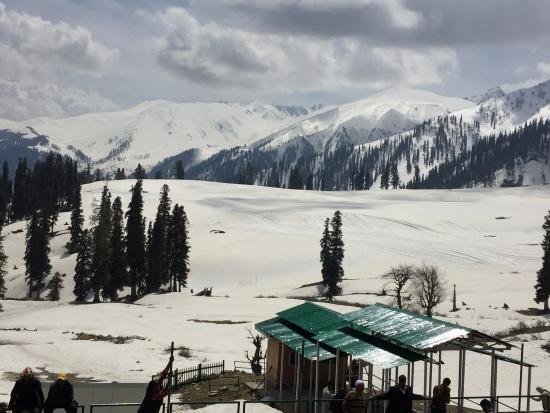
- Patnitop: A popular hill-top spot for swooping views, short walks and chai stops. It’s a good place to stretch your legs.
- Ramban: A typical roadside halt for refreshments and quick checks.
- Banihal: Near Banihal you find the approach to Jawahar Tunnel—photo ops and local bakeries make this worth a short break.
Food and Hygiene
Roadside dhabas and small restaurants offer hot meals but standards can vary. Carry bottled water and snacks, especially if you have dietary restrictions. Try local specialties cautiously—steamed or well-cooked items are generally safer on the road. If you experience stomach sensitivity, be prepared with rehydration salts and medicines.
Driving Etiquette and Local Practices
Mountain driving demands patience and courtesy. Observe the following:
- Overtaking on blind bends is dangerous—wait for clear stretches and signals from oncoming traffic.
- Give way to heavy vehicles and follow instructions from traffic police at single-lane or repair zones.
- Use your horn in designated areas to signal on blind corners—but avoid unnecessary honking in towns.
Arriving in Srinagar
As you approach Srinagar, the landscape opens into the Kashmir Valley with willow-lined shores, chinar trees and the iconic Dal Lake in the city. Plan your arrival time keeping traffic and lodging check-in times in mind. Parking can be limited in central locations—many hotels offer pick-up and parking options, so coordinate with them beforehand.
Alternative: Combining Road with Rail or Air
If you want to reduce road time, consider reaching Jammu by train or flight, then continuing by road to Srinagar. Jammu is a well-connected rail and air hub. Some travellers fly into Jammu late evening and travel by road the next morning to enjoy daytime driving and views.
Common Concerns and FAQs
- Is the road safe for families and women travelling alone? Yes, many families travel this route daily. Choose reliable transport, avoid isolated stops at night and inform family/friends about your itinerary.
- Are there petrol stations en route? Yes, but availability can be sparse on certain stretches—top up fuel early in larger towns.
- What about night closures? Authorities may close sections due to weather or security; check local advisories before you leave.
Packing Checklist
- Valid photo ID and necessary permits
- Warm layers, rain jacket and gloves in cooler months
- Chargers, power bank and printed route details
- First-aid kit, prescription medicines and motion sickness tablets
- Water bottle, dry snacks and rehydration salts
- Basic tool kit, spare tyre, jumper cables and torch
Final Tips for a Smooth Journey
- Start early to avoid afternoon haze and to find daylight for tricky stretches.
- Keep a flexible schedule—mountain travel often needs contingency time.
- Respect local customs and the environment—avoid littering and be mindful when stopping in villages.
- Monitor weather and road advisories from local authorities or trusted local contacts.
Travelling from Jammu to Srinagar by road is as much about the journey as the destination. With preparation, sensible choices and a relaxed attitude, the drive can be a highlight of your Kashmir trip—filled with dramatic landscapes, pleasant hill stops and the anticipation of entering the beautiful valley of Srinagar.
Safe travels, and enjoy the drive!