How to Reach Shillong from Guwahati by Road
Planning a road trip from Guwahati to Shillong? This guide covers routes, transport options, road conditions, must-stop sights and practical tips to make your drive to the Seven Sisters' capital smooth and scenic.
By TravMe travel team · · Updated · 5 min read
Driving from Guwahati to Shillong is one of the most rewarding short road trips in Northeast India. The route climbs from the Brahmaputra plains into the rolling Khasi Hills, offering dramatic views, fresh mountain air and a handful of interesting stops en route. Whether you prefer a budget shared taxi, an air-conditioned bus, a private cab or self-drive, this guide explains how to reach Shillong by road and how to make the journey comfortable, safe and memorable.
Overview: Distance, Time and Road Type
The road distance from Guwahati to Shillong is roughly 100–110 kilometres depending on your start and end points. Under normal conditions the drive takes about 3 to 4 hours. The route begins on broad plains and then follows winding hill roads as you climb into the Khasi Hills, so travel time can vary with traffic, weather and road works.
Main Route: Guwahati–Shillong Road
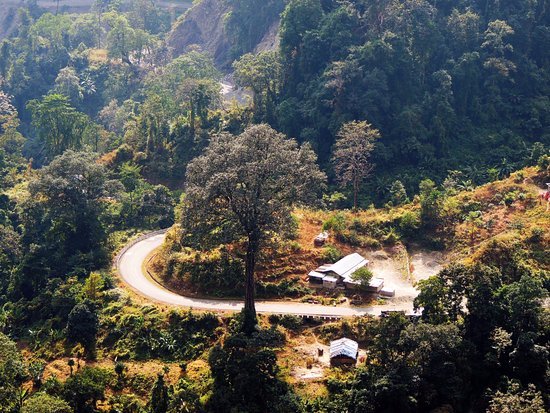
The most commonly used and direct road is the Guwahati–Shillong route that passes near Khanapara, Mawphlang and Umiam Lake. This highway connects to Shillong via Shillong Bypass and other state highways. Expect a mix of good two-lane highway and narrower, twisty hill sections. Road quality is generally decent but potholes and single-lane stretches are possible, especially after heavy rain.
Key Waypoints and Sights En Route
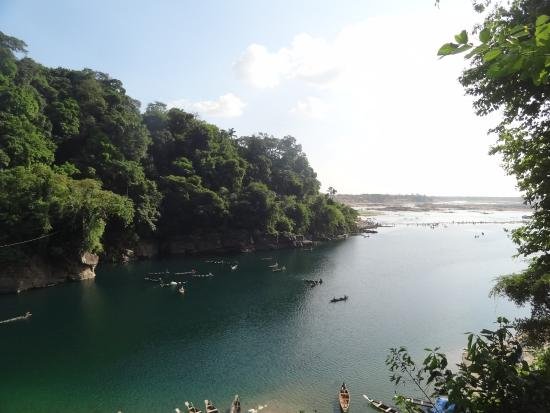
- Umiam Lake (Barapani) – A large reservoir ideal for a brief lakeside stop, tea stall refreshment or a short photo break.
- Shillong Peak – Visible from the road; a detour up to the peak offers panoramic views of the city and surrounding hills.
- Elephant Falls – A short drive from the city outskirts, this multi-tiered waterfall is a popular refreshment stop after the climb.
- Mawphlang Sacred Grove – For nature lovers, a detour to the sacred forest gives insight into Khasi culture and biodiversity.
Transport Options
Choose the option that suits your budget, comfort preference and schedule. Each has advantages:
Shared Taxis / Sumo
Shared seven-seaters (locally called Sumo or Innova shared taxis) are the most common and fastest public option for practical travellers. They operate frequently from points such as Paltan Bazaar and other city terminals in Guwahati. They leave when full and are chosen by commuters and tourists alike for their speed and direct service to Shillong.
State and Private Buses
GSRTC and various private operators run buses between Guwahati and Shillong. Options range from regular local buses to more comfortable Volvo or similar premium coaches. Buses are economical and suitable if you prefer a set schedule and basic amenities. They normally depart from the main bus terminals and major city stops.
Private Cabs and Taxis
Private taxis can be hired for point-to-point transfer or for a day’s sightseeing in and around Shillong. This option gives flexibility for en route stops, luggage safety and door-to-door convenience. Pre-book through a trusted operator or your hotel to ensure fixed pricing and licensed drivers.
Self-Drive
Self-drive is an excellent choice if you enjoy control, photo stops and a leisurely pace. The roads require confident driving on steep, winding sections. Check vehicle condition, fuel, spare tyre and emergency kit before departure. Navigation using offline maps is useful as network coverage can be patchy in the hills.
Where to Board / Drop-Off Points in Guwahati
Major pickup points include Paltan Bazaar, the GSRTC stand, and several hotels and taxi stands across Guwahati. If you are travelling from the airport, allow extra time for the airport-to-city transfer, or book a direct cab from the airport to Shillong.
Road Safety and Driving Tips
- Start early: Depart in the morning to avoid evening hill fog and to enjoy daylight views.
- Watch the weather: Monsoon months bring heavy rain that can slow travel and cause slips; check local forecasts.
- Drive cautiously: Hill roads have blind curves and occasional landslips. Maintain a moderate speed and use low gears on descents.
- Rest stops: Make short breaks at Umiam Lake or roadside tea stalls to stretch. Never drive tired.
- Fuel and cash: Top up fuel in Guwahati if you’re self-driving; carry some cash as ATMs may not always be available en route.
- Mobile network: Expect intermittent coverage once you reach higher elevations. Download maps offline if needed.
Permits and Documentation
Indian nationals do not usually need special permits to visit Shillong from Guwahati. However, travellers from abroad should check visa/entry requirements and any local regulations before travel. If you plan to continue into remote tribal areas of Meghalaya, verify whether restricted-area permits are required. Always carry a valid photo ID while travelling.
Timings and Best Time to Travel
The ideal months for a road trip to Shillong are the dry and cooler months, which provide clear views and comfortable driving conditions. Avoid heavy monsoon spells if possible, since landslides and long delays can occur. Evening arrivals are possible, but daytime travel is recommended to enjoy the scenery and to navigate the winding sections more safely.
Suggested Itineraries and Stops
Depending on your time and interests, you can plan a simple transfer or a scenic day trip:
- Direct transfer: Start early from Guwahati, stop briefly at Umiam Lake for coffee, continue to Shillong; reach by late morning or early afternoon.
- Scenic day trip: Add Mawphlang Sacred Grove and Elephant Falls, take time at Shillong Peak for sunset views, and return to Guwahati the next day or stay overnight in Shillong.
- Leisurely drive: Take frequent photo stops, explore local villages en route and enjoy Khasi cuisine at roadside eateries.
Tip: If you have one day, travel early to Shillong, spend the day exploring the city and nearby attractions, and return to Guwahati the next morning for a relaxed trip back.
Local Etiquette and Useful Advice
- Be polite and patient with drivers and local vendors; Khasi people are generally friendly and hospitable.
- Respect local customs when visiting sacred groves or cultural sites—ask before photographing people.
- Support local businesses by stopping at authorised eateries and handicraft shops for souvenirs.
Final Checklist Before You Leave
- Valid ID and any required permits
- Vehicle papers and insurance if driving
- Charged phone with offline maps, power bank
- Light rain jacket and comfortable footwear
- Small change for tolls, tea stops and parking
Travel by road from Guwahati to Shillong is more than a transfer — it is the first chapter of your Meghalaya visit. With good planning, a flexible itinerary and respect for the hills and weather, the drive becomes a scenic, stress-free introduction to northeastern India. Safe travels and enjoy the misty hills and warm Khasi hospitality in Shillong.