How to Reach Ladakh by Air, Road and Rail Connections
Complete guide to reaching Ladakh by air, road and rail connections from major Indian cities, with seasonal considerations, permits, acclimatisation tips and practical travel itineraries.
By TravMe travel team · · 6 min read
Ladakh is a high-altitude wonderland of stark landscapes, blue lakes and ancient monasteries. Getting there is part of the adventure: you can fly into Leh for speed, drive over dramatic mountain passes for thrill, or combine rail and road to balance comfort and experience. This guide explains all practical routes — by air, road and rail — plus seasonal windows, permit requirements and tips to arrive safely and enjoyably.
Quick overview: Which route suits you?
Choose air travel if you want to save time and avoid long, high-altitude drives. Choose road travel (Manali–Leh or Srinagar–Leh) for dramatic scenery, on-bike experiences or overland adventure. Rail is not available directly to Leh yet; use the nearest railway stations and continue by road or flights. Your choice will depend on time, budget, tolerance for altitude and appetite for adventure.
Reaching Ladakh by air
Leh Kushok Bakula Rimpochee Airport (IXL)
Leh’s airport is the fastest and most comfortable way to reach Ladakh. It sits at over 3,500 m and is well connected to major Indian cities during the tourist season. Regular scheduled flights operate between Leh and Delhi. Depending on season and demand, there are also flights from Srinagar, Jammu, Chandigarh and occasionally from other cities.
Flight tips and considerations
- Book well in advance for travel during peak season (June–September) as seats sell out quickly.
- Weather affects flight schedules — expect delays or cancellations due to low visibility or crosswinds. Allow buffer days if you have onward plans.
- Arrive at the airport early and keep photo ID handy; domestic security procedures are standard.
- On arrival in Leh, take it easy for the first 24–48 hours to acclimatise. Avoid heavy physical activity and alcohol.
Reaching Ladakh by road
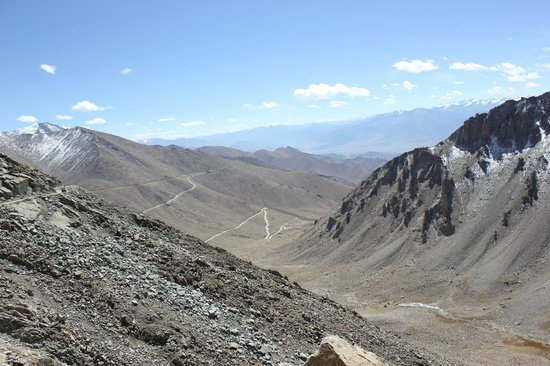
Overland access is the most iconic way to reach Ladakh. Two main high-altitude highways connect Leh to the rest of India: the Srinagar–Leh Highway (NH 1) and the Manali–Leh Highway. Both are seasonal and spectacular.
Srinagar–Leh Highway (NH 1)
Distance and duration: The road from Srinagar to Leh covers roughly 420–450 km and typically takes 12–14 hours by road, depending on stops and road conditions.
Key features:
- Crosses Zoji La pass and follows the Indus river valley for large stretches.
- Generally considered less demanding than the Manali route in terms of high passes, but still challenging due to altitude and occasional landslides.
- The route opens after winter — usually from late April to June depending on snowfall and clearing operations — and remains open through autumn until snowfall forces closure.
Manali–Leh Highway
Distance and duration: The Manali–Leh route covers about 480–540 km and usually requires 2–3 days of driving with overnight stops due to the difficult terrain.
Key features:
- Famous for high passes such as Rohtang, Baralacha La, Lachulung La and Tanglang La.
- Offers dramatic, otherworldly landscapes and popular among motorcyclists and overlanders.
- Typically opens from late May to June and closes in autumn as snow returns.
Practical tips for road travel
- Hire experienced drivers familiar with mountain driving, or join organised tours for safety and convenience.
- Fuel up whenever possible — petrol pumps are sparse on both highways.
- Carry warm clothing, basic medicines, a first-aid kit and sufficient water and snacks. Mobile connectivity is patchy, so download maps offline.
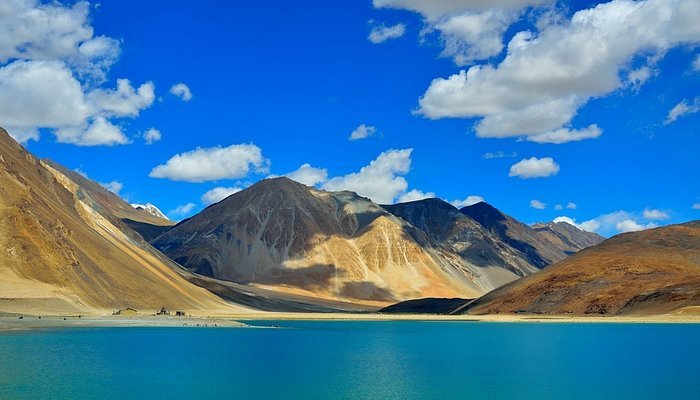
- Take rest breaks and plan an acclimatisation stop in Leh for 24–48 hours before exploring higher-altitude excursions like Nubra or Pangong.
- Road conditions vary: landslides and roadwork can add significant time. Flexibility is essential.
Note: Both highway routes are closed during heavy snowfall months. Always check local road bulletins and weather forecasts before starting your journey.
Rail connections (nearest railway stations)
There is no direct railway line to Leh. The nearest major broad-gauge railway stations that travellers commonly use as starting points are:
- Jammu Tawi — good rail connectivity with northern and many pan-Indian trains.
- Pathankot and Chandigarh — alternative options depending on your train itinerary.
- Srinagar’s rail connectivity is improving via the Jammu–Baramulla project, but direct rail to Leh is not available yet.
From any of these stations you must continue by road — private taxi, bus or shared cabs — to reach Srinagar or Manali and then proceed to Leh via the highway of your choice. Many travellers combine a train to Jammu or Chandigarh with a road journey to avoid long flights.
Planned rail projects
There have been proposals and discussions about rail connectivity to Ladakh, but as of now there is no operational railway to Leh. Keep an eye on official announcements for any future developments if rail travel is important to you.
Permits and documentation
Permits can be necessary depending on nationality and the areas you plan to visit:
- Indian nationals: Entry into Leh town does not usually require a special permit, but certain restricted or sensitive border areas such as Nubra Valley, Pangong Tso and Tso Moriri may require permits or registration at local police/check posts. These are typically issued locally or online through official portals; check the latest local guidelines.
- Foreign nationals: Many parts of Ladakh, especially areas close to the border, require Protected Area Permits (PAP) or Restricted Area Permits (RAP). These are issued by the Indian government and through registered travel agents. Ensure you complete these formalities well before arrival.
- Always carry valid ID (Aadhaar or passport) as checkpoints are common.
Getting around within Ladakh
Once in Leh, local transport options include taxis, shared cabs, rented motorbikes and bicycles. Public buses connect Leh to Nubra and Pangong during the summer months. For longer excursions or day trips, hire a private vehicle with a driver who understands mountain driving and acclimatisation needs.
Best time to travel
The tourist season in Ladakh generally runs from late May to September. This is when both the Srinagar–Leh and Manali–Leh roads are open, and the weather is most favourable. Winters are extremely harsh with heavy snow and sub-zero temperatures; while Leh remains accessible by air for much of winter, road travel is mostly impossible.
Health and acclimatisation
Ladakh’s high altitude means altitude sickness is a real risk. Practical precautions:
- Ascend slowly where possible: rest a day in Leh before ascending further.
- Stay hydrated, avoid alcohol and heavy exertion on the first day or two.
- Carry basic medication for altitude sickness and consult your doctor if you have pre-existing conditions.
- Know the signs of acute mountain sickness: headache, nausea, dizziness and lethargy. If symptoms worsen, descend immediately and seek medical help.
Sample itineraries
Fast and comfortable (by air)
- Fly to Leh, rest for 24–48 hours to acclimatise.
- Day trips to monasteries and local markets; later visit Pangong or Nubra with an overnight stay.
- Return to Leh and fly out.
Scenic overland (Manali–Leh or Srinagar–Leh)
- Plan 2–3 days for the Manali–Leh road with overnight stops, or a long day on Srinagar–Leh with an early start and rest at key points.
- Acclimatise in Leh for 24–48 hours before exploring higher-altitude sites.
- Return by same route or fly back from Leh depending on time and preference.
Final practical tips
- Check current road and flight status close to departure; mountain conditions can change quickly.
- Book accommodation and transport in advance during peak months.
- Respect local customs, the fragile environment and restricted zones near borders.
- Buy travel insurance that covers high-altitude travel and emergency evacuation if possible.
Reaching Ladakh is an experience in itself. Whether you choose the convenience of air travel, the grandeur of a road journey across high mountain passes, or a mixed train-and-road approach, careful planning, respect for altitude and flexibility will help make your trip safe and unforgettable.