How to Reach Kashmir by Air, Rail and Road
Practical guide to reaching Kashmir by air, rail and road — routes, tips, seasonal considerations and onward travel within the valley for a smooth trip to Srinagar and beyond.
By TravMe travel team · · Updated · 7 min read
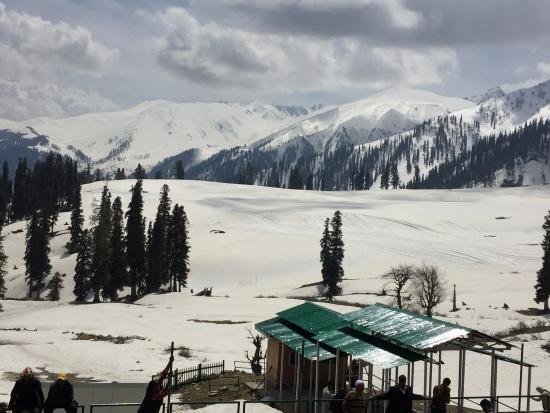
Kashmir's dreamy valleys, snow-capped peaks and serene lakes make it one of India's most sought-after destinations. Whether you're headed to Srinagar, Gulmarg, Pahalgam or remote hamlets, knowing how to reach Kashmir and what to expect en route can make all the difference. This guide covers the main ways to get to Kashmir — by air, rail and road — and offers practical tips for onward travel in the Valley.
Overview: Where in Kashmir are you heading?
"Kashmir" often refers to the Kashmir Valley around Srinagar but the wider Jammu & Kashmir region includes Jammu, Ladakh, and border districts. Most tourists visit the valley — Srinagar (the summer capital) is the common base. Your choice of arrival point will depend on which part of the valley you plan to explore and the season you travel in.
By Air
Flying is the fastest and most convenient way to reach Kashmir for most travellers, especially those coming from other Indian cities.
Airports Serving Kashmir
- Srinagar Airport (SXR): The main airport for the Kashmir Valley, located about 12–20 km from central Srinagar depending on traffic and route. It handles domestic flights to and from major Indian cities and some seasonal charters.
- Jammu Airport (IXJ): If your itinerary includes Jammu or you prefer to make a road journey into the valley, Jammu Airport is a practical option. It serves many domestic connections and is often used by travellers combining a Jammu visit with Kashmir.
- Alternative airports: For travellers heading to Ladakh or very remote parts of the region, look up Leh (Kushok Bakula Rimpochee Airport) and other regional airstrips, but these are outside the Kashmir Valley.
Flight Connectivity and Planning
Major Indian carriers operate regular flights to Srinagar and Jammu from cities such as Delhi, Mumbai, Bengaluru, Hyderabad and Kolkata. Frequency tends to increase in peak tourist seasons (summer and winter for skiing). During winter, flights can be affected by fog and snow; during monsoon and early spring, weather may also cause delays.
Tips for air travel:
- Book early for long weekends and peak months (May–September and December–February for snowfall enthusiasts).
- Allow flexible time for arrival: baggage and ground transfers can take longer than expected during busy periods.
- Carry a photo ID as required; foreign nationals should carry their passport and visas.
From the Airport to Your Destination
Both Srinagar and Jammu airports have taxi services and prepaid counters. Many hotels and houseboats offer pickup services — confirm and coordinate a pickup time. For Srinagar, transfers typically navigate the city outskirts and may involve scenic drives along Dal Lake, depending on your accommodation.
By Rail
Rail connectivity directly into the heart of the Kashmir Valley has been evolving, but for most travellers, the railway remains a gateway rather than the final leg.
Main Railway Stations
- Jammu Tawi: The principal railhead for the region and the most reliable option for arriving by train. Well connected to Delhi, Mumbai, Chennai and other major Indian cities.
- Nearby stations: There are additional stations in the Jammu region; travellers often use local buses or taxis to reach the valley from the railhead.
From the Railhead to Kashmir Valley
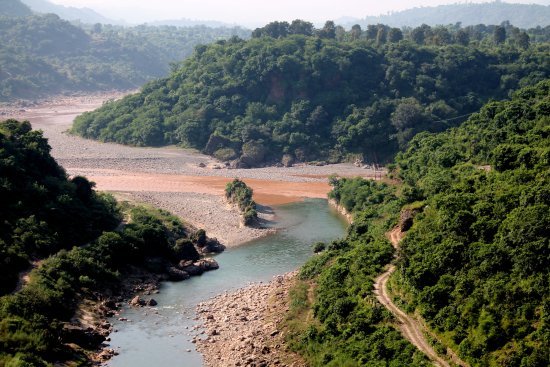
From Jammu Tawi, travellers usually switch to a road journey into the Kashmir Valley. The road offers scenic views but is subject to seasonal weather and traffic. Train-plus-road itineraries are a common choice for those who prefer rail travel or want to take a leisurely route.
What About Rail Projects in Kashmir?
There have been ongoing rail infrastructure projects aimed at improving connectivity within the region. New lines and extensions may open periodically. Check current railway announcements and schedules when planning; do not assume full rail penetration into the valley until confirmed by official railway sources.
By Road
Travelling by road is a popular option for those who enjoy scenic journeys. Whether you are on a private car, a self-drive, in a taxi or on a bus, the road network links the valley with the rest of India.
Main Road Routes
- Jammu–Srinagar Highway (NH44): The primary road artery connecting the Jammu plains to the Kashmir Valley. This high-altitude stretch passes through mountain passes and tunnels and is picturesque but can be affected by weather.
- Alternate routes: There are other state and district roads into different parts of the valley. These are suitable for reaching specific destinations like Pahalgam, Gulmarg or remote border areas but may be narrower or seasonal.
Public Transport Options
- State buses: State transport corporations and private operators run regular buses between Jammu and Srinagar and to other towns. Volvos and deluxe coaches operate during peak seasons.
- Shared taxis and cabs: A flexible option for smaller groups; share taxis operate along main corridors and can be faster than buses.
- Private taxis and self-drive: Private taxis offer door-to-door convenience. Self-drive vehicles are increasingly popular; ensure you hire from reputable companies and check vehicle condition before setting off.
Seasonal Considerations and Safety
Road travel in and out of Kashmir can be affected by weather and landslides, particularly in winter and during the monsoon. Passes and stretches may be closed temporarily for snow clearance or maintenance.
Safety tips:
- Carry warm clothing and emergency supplies in winter — roads can be icy and delays common.
- Check road conditions and weather forecasts before departure; local operators and hotels can advise current status.
- Ensure your vehicle has proper tyres and emergency equipment if driving in hilly terrain.
Onward Travel Within the Valley
Once in Srinagar or another base town, local travel options expand. Choosing the right mode depends on your itinerary, group size and comfort needs.
Popular Local Transfers
- Private taxis: Ideal for door-to-door transfers to Gulmarg, Pahalgam or other scenic spots.
- Shared cabs and minibuses: Economical for solo travellers or budget groups.
- Houseboats and shikaras: For guests staying on Dal Lake, shikara transfers are an iconic way to move locally.
- Cable car / gondola: Gulmarg’s gondola is a major attraction and a fast way to reach higher slopes for skiing and trekking.
Permits and Identity Checks
Indian citizens should carry government-issued photo ID when travelling. Foreign nationals must carry their passport and visa. There are certain restricted or sensitive border areas where special permits may be required; always check with local authorities or your travel operator if you plan to venture near border zones or into high-security regions.
Season-wise Travel Advice
When you go matters as much as how you get there.
Summer (April–September)
The most popular season for tourists. Roads and flight frequencies are at their best, and the valley is lush and pleasant. Advance bookings for accommodation and transport are recommended in peak months.
Winter (December–February)
Snow brings magic to Kashmir, especially for snow-sports fans in Gulmarg and Srinagar’s winters. Flights can be affected by fog or heavy snowfall; road travel may require chains and experienced drivers. Expect fewer bus services on some routes.
Monsoon and Shoulder Seasons
Monsoon (July–September in places) can bring landslides and road disruptions in hilly stretches. Spring and autumn are wonderful for clear skies and changing colours; shoulder-season travel often combines fewer crowds with comfortable weather.
Practical Tips and Checklist
- Always check the latest travel advisories and local COVID-19 or health requirements before you travel.
- Pack layers — daytime temperatures can be mild but nights may be chilly, especially at higher altitudes.
- Carry copies of travel documents and the contact details of your accommodation and travel operator.
- If driving, confirm fuel availability on your route; carry a physical map or offline navigation as mobile connectivity can be patchy in remote areas.
- Respect local customs and the environment — Kashmir’s ecology is fragile and local communities appreciate responsible tourism.
Tip: If your schedule allows, fly into Srinagar for speed and convenience, or combine rail to Jammu with a scenic road drive to truly take in the landscapes.
Conclusion
Reaching Kashmir is an experience in itself — whether you prefer the speed of a flight into Srinagar, the classic rail-and-road approach via Jammu, or a leisurely road journey through dramatic mountain scenery. Each mode of transport has its advantages. Plan according to season, comfort and the parts of the valley you wish to explore. With sensible preparation and local guidance, your arrival will be the start of a memorable Kashmir trip.