How to Plan a Ladakh Trip on a Budget Without Cutting Corners
Practical, budget-friendly advice for planning a Ladakh trip without sacrificing experiences — from travel timing and permits to transport, food, acclimatisation and a sample itinerary.
By TravMe Holidays travel team · · Updated · 6 min read
Ladakh is a dream for travellers seeking stark landscapes, Buddhist monasteries and high-altitude adventure. You don't need deep pockets to enjoy its magic; careful planning, smart choices and a respect for local conditions let you see the best of Ladakh on a budget without cutting corners on safety or comfort.
When to Visit
Choosing the right season is the first cost-saving decision. The classic window is from late May to early September. Roads are open, guesthouses operate and you get clear skies. Post-monsoon months offer dramatic colours and fewer tourists. Avoid winter unless you are experienced with extreme cold and can handle limited services — heating and transport options become scarce and expensive.
Peak vs Shoulder Season
- Peak season (June–August): Best weather and more services; prices for flights and rooms can be higher. Book early for deals.
- Shoulder season (May, September): Cooler nights, fewer crowds and often better value; some high-altitude passes may still be iffy in May.
How to Get There Affordably
Reaching Ladakh typically means flying into Leh or taking a road trip over high passes. Both have budget options if planned right.
Flights
Leh Kushok Bakula Rimpochee Airport connects with major Indian cities. To save:
- Book early and use fare-alerts. Mid-week flights are often cheaper.
- Consider flying into Delhi or Srinagar and catching a connecting flight; compare return-back-to-city combinations for lower fares.
- Carry minimal checked luggage to avoid hefty airline fees, especially on smaller carriers.
Road Routes
Road journeys via Manali-Leh or Srinagar-Leh are iconic and budget-friendly if you share costs and time. Tips:
- Join a shared taxi or jeep group to split fuel and driver costs. Many travellers form groups on hostel noticeboards or travel forums.
- Use public buses for parts of the route — state transport buses are slow but economical and give authentic local flavour.
- If you hire a private vehicle, negotiate a clear rate including driver allowance and permits; agree on fuel policy.
Permits and Regulations
Most of Leh district is open to tourists, but restricted areas and Protected Areas require permits. Carry original ID and copies.
- Inner Line Permits (ILP) are required for certain border zones; these are typically issued in Leh or online for domestic travellers. Check current rules before travel.
- Permits for Pangong, Tso Moriri, Nubra and other regions may be checked at entry points. Keep your permit and ID accessible.
Accommodation: Comfort Without Overspend
Ladakh offers a range of stays — guesthouses, homestays, budget hotels and a few luxury properties. For a balanced budget plan, prioritise clean, well-located guesthouses or homestays that include hot water and hearty food.
- Book guesthouses that serve breakfast and are run by locals; you get a warm meal and help with local info.
- For Nubra Valley or Pangong, book in advance during peak season as options are limited.
- Consider camping for an authentic experience, but only with reputable operators who provide insulated sleeping gear and safe heating options.
Getting Around Locally
Local transport options include shared taxis, rented scooters/bikes (for experienced riders), and hiring a driver. Choose based on comfort, altitude acclimatisation and safety.
- Shared taxis and shared jeeps are the most budget-friendly for inter-town travel.
- Hire a local driver for a few days to cover long-distance circuits like Nubra or Pangong; drivers know routes and acclimatisation pacing.
- Self-riding a bike is cheaper but demands good riding skills and a conservative approach at altitude.
Food and Dining Smartly
Food in Leh is filling and hearty. You can save without missing out on local flavours.
- Eat at local cafés and guesthouses where meals are wholesome and affordable. Dal, rice, momos and local thukpa are satisfying and cheap.
- Shop at local markets for snacks, fruits, dry food and water purification tablets if needed.
- Limit packaged bottled water waste and cost by carrying a high-quality water filter bottle or purification tablets approved for high-altitude use.
Acclimatisation and Health: Never Skimp on Safety
Altitude sickness is a real risk. Budget travel must not mean corner-cutting on acclimatisation or medical essentials.
- Spend your first two days in Leh taking it easy — hydrate, sleep well and avoid strenuous activity.
- Carry a basic high-altitude medical kit: rehydration salts, paracetamol, diamox only if prescribed, and blister care. Consult a doctor before travel for personalised advice.
- Recognise signs of Acute Mountain Sickness (headache, nausea, breathlessness) and descend if symptoms worsen.
Money-Saving Strategies That Preserve Experience
- Travel in a small group to split fixed costs like driver fees, fuel, permits and camping equipment.
- Negotiate politely for longer bookings. Guesthouses may offer discounts for multiple nights.
- Use local tour operators for day trips rather than national chains; small operators often provide better rates and local insight.
- Plan routes to minimise back-and-forth driving — an efficient circuit saves on fuel and time.
Sample 7–9 Day Budget Itinerary
This sample balances acclimatisation, iconic sights and travel-cost efficiency.
- Day 1: Arrive Leh. Rest, hydrate, stroll the market in the evening. Short walks only.
- Day 2: Local Leh – Shanti Stupa, Leh Palace, Sankar Gompa. Easy day to acclimatise.
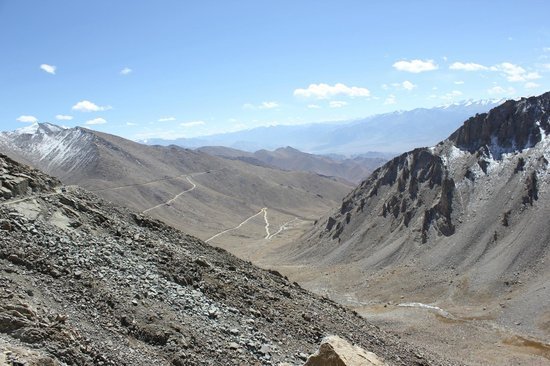
- Day 3: Nubra Valley via Khardung La. Overnight in Nubra guesthouse or camp. Form a shared jeep to cut costs.
- Day 4: Explore Nubra (Hunder sand dunes, monasteries). Return to Leh or stay another night based on energy and budget.
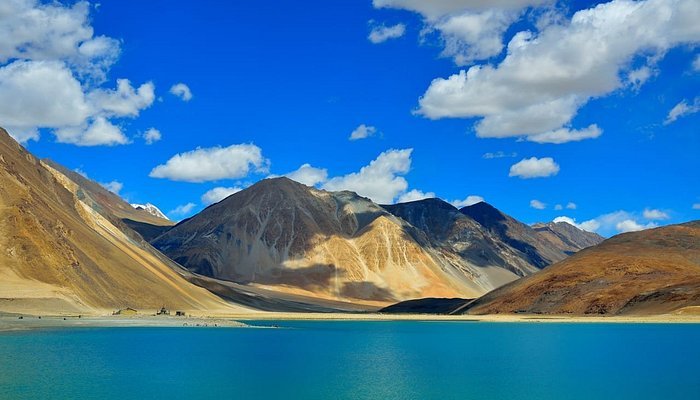
- Day 5: Drive to Pangong Tso. Overnight lakestay in simple tents or guesthouse near the lake.
- Day 6: Sunrise at Pangong, return to Leh via Chang La if time permits. Night in Leh.
- Day 7: Relaxed day in Leh, last-minute shopping, depart or extend to Tso Moriri if you have extra time and budget.
Packing Checklist for Budget Travellers
- Layerable clothing: thermal base, fleece, windproof jacket and waterproof outer layer.
- Good trekking shoes, warm hat, gloves and sunglasses with high UV protection.
- Reusable water bottle with filter or purification tablets, sunscreen, basic first-aid kit.
- Portable power bank and extra memory cards for your camera; electricity can be limited at remote camps.
Responsible Travel Tips
Respect the fragile environment and local culture. Travelling responsibly often saves cost in the long run by maintaining the resources you rely on.
- Carry out all non-biodegradable waste, or use local waste disposal points where available.
- Support local businesses: eat at local cafés, buy handicrafts from village artisans and hire local guides.
- Avoid using open fires in fragile areas; use designated cooking and heating solutions.
Tip: A little pace goes a long way. Spending an extra day to acclimatise improves health, reduces emergency costs and makes the trip far more enjoyable.
Final Safety Notes
Keep emergency contact numbers and your travel plan with someone back home. Register with your embassy or travel advisory services if you prefer. Trust local advice on weather and road conditions — drivers and guesthouse hosts often have the most current information.
Conclusion
Planning a budget Ladakh trip is about prioritising what matters: safety, acclimatisation and authentic experiences. With smart travel choices — shared transport, local stays, seasonal timing and sensible packing — you can witness Ladakh’s extraordinary landscapes without compromising comfort or safety. Travel slow, be respectful of the fragile environment, and you’ll return with memories that far outweigh what you spent.