How to Plan a Kashmir Trip from Mumbai
A practical, step-by-step guide to planning a memorable Kashmir trip from Mumbai — covering when to go, how to travel, itineraries, permits, accommodation, local transport and safety tips for Indian travellers.
By TravMe Holidays travel team · · Updated · 6 min read
Planning a trip from Mumbai to Kashmir is exciting: emerald valleys, houseboats on Dal Lake, meadows in Gulmarg and apple-scented air await. This guide helps you plan realistically — travel options, best seasons, suggested itineraries, packing tips and local insights to make your Kashmiri holiday smooth and unforgettable.
When to Visit Kashmir
Choosing the right time depends on what you want to experience:
- Summer (April to June) — Ideal for beating Mumbai heat. Valleys are in bloom, roads are open and Neelam-like vistas are accessible. Day temperatures are pleasant, evenings can be cool.
- Monsoon shoulder (July to September) — Kashmir receives less rain than many other parts of India, but landslides in Himalayan approaches are a possibility. Late summer is lush with greenery and fewer tourists.
- Autumn (October) — Clear skies, crisp air and golden chinars; excellent for photography and leisurely walks.
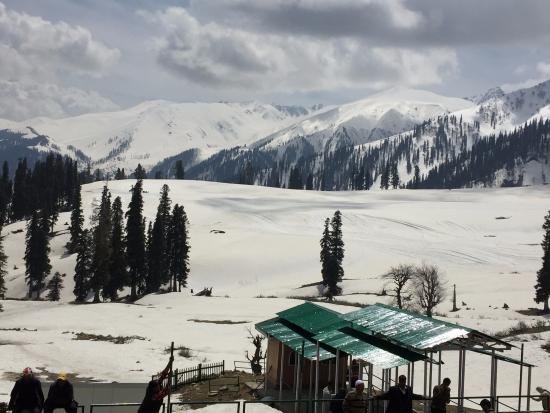
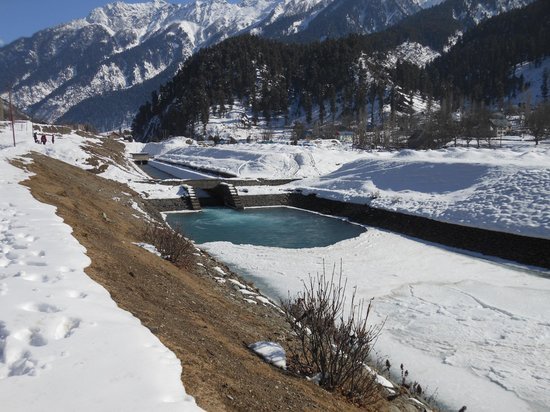
- Winter (December to February) — For snowfall and skiing in Gulmarg. Expect heavy snow, some routes may be affected; plan for flexibility and warm clothing.
How to Get There from Mumbai
There are three practical routes to reach Kashmir from Mumbai: by air, by train + road, or by a combination of train and flight. Pick based on time, budget and comfort.
By Air (Fastest and Most Convenient)
Flights from Mumbai connect to Srinagar (SXR) with a stopover in Delhi or other metro cities. Flight time (including a typical connection) is several hours — check connecting options and total travel duration. Arrival at Srinagar airport places you close to the city and valley attractions. From Srinagar you can take taxis to Dal Lake, Gulmarg, Pahalgam and Sonamarg.
By Train + Road (Scenic and Budget Friendly)
There are overnight trains from Mumbai to Jammu Tawi station. From Jammu, taxable road travel along NH44 leads to Srinagar via the Jammu-Srinagar national highway. The drive through the Pir Panjal range is scenic but can be long; consider breaking the journey at Jammu or Udhampur if you need rest. Trains are slower but offer a relaxed, economical way to travel if you enjoy long-distance rail journeys.
Combined Options
If you want variety, fly into Srinagar and return via Jammu by train (or vice versa). This helps you experience both the valley and the mountain pass drive without repeating the same route.
Permits, Documentation and Safety
For most visitors coming from within India, standard government ID (Aadhaar, driving licence or passport) is sufficient. A few specific border or sensitive areas may require permits issued by local authorities; these are not usually needed for popular tourist spots in the Kashmir Valley but always check current local requirements before travel.
- Keep original photo ID handy at all times.
- Check travel advisories and local news for road closures, weather warnings and security updates before departure.
- Purchase travel insurance that covers trip cancellations, medical emergencies and high-altitude evacuations where applicable.
Suggested Itineraries from Mumbai
Here are three practical itineraries depending on how much time you have.
5-Day Weekend (Tight but Rewarding)
- Day 1: Fly Mumbai to Srinagar, settle into a houseboat or hotel; evening shikara ride on Dal Lake.
- Day 2: Local sightseeing in Srinagar — Mughal gardens, old city and markets.
- Day 3: Day trip to Gulmarg; optional Gulmarg Gondola ride and short treks/pony rides.
- Day 4: Day trip to Pahalgam or Sonamarg depending on interest; return to Srinagar.
- Day 5: Fly back to Mumbai.
7–9 Days (Relaxed and Comprehensive)
- Days 1–2: Srinagar arrival and leisure; explore Dal Lake, local bazaars and gardens.
- Days 3–4: Gulmarg stay — explore golf course, gondola up to Apharwat, skiing in winter.
- Days 5–6: Pahalgam stay — lidder river, Aru and Betaab valleys; optional pony/hike.
- Days 7–8: Optional visit to Sonamarg or a relaxed extra day in Srinagar for culture and food.
10+ Days (Explore Deeply)
Include lesser-known hamlets, overnight camping, longer treks or combine with a Ladakh extension if time permits. Travelling slowly allows acclimatisation and shows you the everyday life of Kashmiri towns and villages.
Where to Stay
Accommodation in Kashmir ranges from luxury hotels and resorts to cosy houseboats and guesthouses. Popular choices:
- Houseboats on Dal Lake — Iconic and atmospheric; great for a serene experience though rooms can be basic in some options.
- Hotels and Resorts — Comfortable choices in Srinagar, Gulmarg and Pahalgam with modern amenities and dining.
- Guesthouses and Homestays — Offer local hospitality and home-cooked food; ideal for cultural immersion.
Getting Around Locally
Once in the valley, you can rely on a mix of transport:
- Private taxis — Convenient for inter-town travel and flexible day trips; negotiate fares or use meter where available.
- Shared cabs — Economical for common routes but less flexible.
- Local buses — Available for some routes, but schedules may be limited.
- Pony rentals and walking — In Pahalgam and smaller hamlets for short treks.
- Gondola in Gulmarg — Must-do for panoramic views; queues can form in peak season.
What to Pack
Pack in layers. Weather in the valley can change quickly and higher-altitude spots like Gulmarg are colder than Srinagar.
- Warm jacket, fleece and thermal layers (especially for visits beyond Srinagar or in winter).
- Comfortable walking shoes and a pair of waterproof shoes if you plan on trekking or during wet months.
- Sunscreen, sunglasses and a hat for high-altitude sun exposure.
- Basic medicines, a small first-aid kit and altitude-aware items if you plan on higher treks.
- Cash in smaller denominations — while cards work in many places in Srinagar, smaller markets and villages prefer cash.
Food, Culture and Local Etiquette
Enjoy rich Kashmiri cuisine — try a traditional Wazwan if you can, sample Goshtaba, Rogan Josh and vegetarian options like Dum Aloo. Sip kahwa (local green tea) to warm up on cool evenings.
- Dress modestly in towns and villages; conservative clothing is appreciated.
- Seek permission before photographing people, homes or sensitive installations.
- Respect local customs during religious occasions or in shrines.
Safety and Responsible Travel
Kashmir is safe for tourists in general, but it pays to be cautious and well-informed. Check government travel advisories before you go. A few practical tips:
- Share your itinerary with family and register with local contacts if possible.
- Avoid areas that are clearly marked as restricted or under military control; do not attempt to cross borders or sensitive zones.
- Support local businesses — buy from Kashmiri artisans and eat at family-run cafes to contribute to the local economy.
- Avoid littering and single-use plastics; the fragile Himalayan ecology needs protection.
Budget Tips
To keep costs reasonable:
- Book flights and hotels well in advance for peak seasons.
- Travel in shoulder seasons (late spring or early autumn) for better rates and fewer crowds.
- Use shared cabs or local buses for inter-town travel if you are on a tight budget.
- Negotiate taxi fares for full-day hires rather than per-trip rates in some cases.
Planning a Kashmir trip from Mumbai requires a mix of practical preparation and openness to the valley’s relaxed pace of life. Pick the season that matches your interests, choose travel modes that suit your comfort and time, and allow room for spontaneity — an unplanned stroll by Dal Lake or a tea with locals can become the highlight of your holiday.
Final note: Check the latest local conditions, road and weather updates before departure, carry valid ID, and travel with respect for the people and environment you will meet. Kashmir’s beauty is best experienced slowly and mindfully.