How to Plan a Kashmir Trip from Delhi
A practical, step-by-step guide to planning a Kashmir trip from Delhi covering transport options, best seasons, sample itineraries, accommodation, permits, packing, safety and local tips to make your journey smooth and memorable.
By TravMe Holidays travel team · · Updated · 7 min read
Planning a trip from Delhi to Kashmir is exciting and achievable with a little preparation. This guide walks you through transport options, the best time to visit, suggested itineraries for different trip lengths, accommodation choices, local experiences not to miss, safety and permit information, packing essentials and budgeting tips—so you can focus on enjoying the breathtaking valleys, lakes and mountains.
Quick overview: What to expect
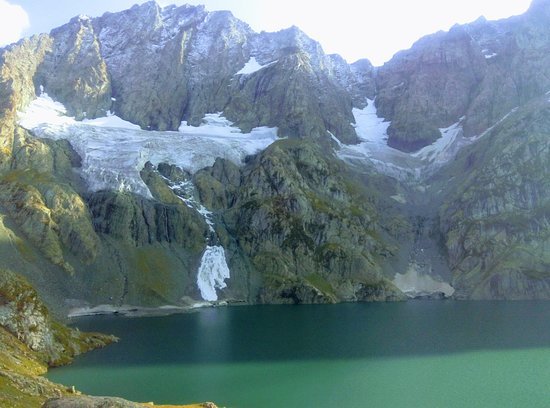
Kashmir offers dramatic landscapes—snow-capped peaks in winter, lush meadows in summer, saffron-scented air in early autumn and colourful blooms in spring. From Delhi, you can reach Srinagar or Jammu by air, or travel by road and rail for a more adventurous experience. Local travel inside Kashmir commonly uses taxis, shared cabs, buses and shikaras. Accommodation ranges from houseboats on Dal Lake to luxury hotels, homestays and river-side camps.
How to reach Kashmir from Delhi
By air (fastest and most convenient)
Fly from Delhi’s IGI Airport to Srinagar (SXR) or Jammu (IXJ). Flight duration to Srinagar is around 1.5 hours. Flights are frequent in peak season and less frequent in winter, so book early during holidays and popular windows like summer and spring. Land transfers from Srinagar airport to city and major tourist hubs are short compared to reaching valley destinations from Jammu.
By train + road (comfortable and scenic)
Take a train from Delhi to Jammu Tawi. From Jammu, it's approximately a 7–10 hour drive to Srinagar depending on weather and road conditions. Many travellers choose this route for a blend of rail comfort and Himalayan road views. Ensure you book trains and confirm onward road transfers or taxis in advance.
By road (direct but long)
Driving from Delhi to Srinagar is a long journey—expect 12–18 hours to Jammu and additional hours to the valley. Some travellers prefer a road trip broken into stops at Chandigarh, Ludhiana or Jalandhar, then onward via Pathankot. Winter road conditions can be unpredictable due to snow; always check road status and carry chains if driving in colder months.
When to go: best seasons for different experiences
- Spring (March–May): Blooming chinars, tulips (in years when tulip festivals are held), pleasant weather—ideal for houseboat stays and sightseeing.
- Summer (June–August): Peak tourist season with warm days, perfect for Gulmarg, Pahalgam treks and high-altitude meadows. Book early for accommodation.
- Autumn (September–November): Clear skies, saffron harvesting season in Pampore and vibrant autumn colours—great for photography and quieter travel.
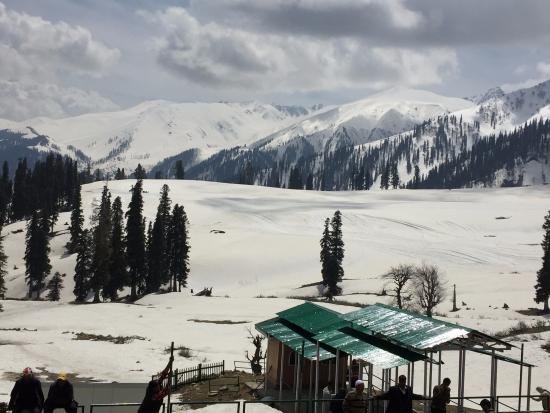
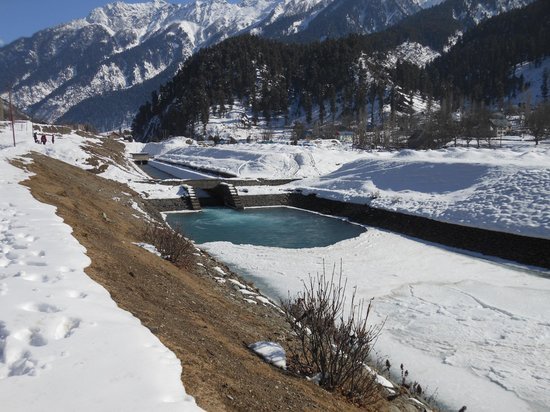
- Winter (December–February): Snowfall in many areas, excellent for skiing in Gulmarg and snow experiences in Sonamarg—but some roads and passes may close.
Itineraries from Delhi: 3, 5 and 7-day plans
3-day weekend escape (short and focused)
- Day 1: Fly Delhi to Srinagar. Afternoon shikara ride on Dal Lake and evening walk at the markets.
- Day 2: Full-day Gulmarg trip for sightseeing and optional gondola ride; return to Srinagar.
- Day 3: Morning visit to Mughal Gardens (Shalimar, Nishat) and local crafts before flying back to Delhi.
5-day classic valley circuit
- Day 1: Fly to Srinagar, houseboat stay and shikara ride.
- Day 2: Srinagar sightseeing (Mughal Gardens, Hazratbal, local markets).
- Day 3: Drive to Pahalgam, visit Betaab Valley and Aru/Chandanwari.
- Day 4: Explore Pahalgam or do an easy trek; drive back towards Gulmarg for an overnight stay or return to Srinagar.
- Day 5: Transfer to airport and fly back to Delhi.
7-day relaxed itinerary with Sonamarg
- Day 1–2: Delhi to Srinagar. Leisurely sightseeing and houseboat experience.
- Day 3: Day trip to Gulmarg for gondola and meadow walks; overnight Srinagar.
- Day 4: Drive to Pahalgam—visit Lidder River sights and enjoy valley walks.
- Day 5: Pahalgam exploration and optional pony trek.
- Day 6: Drive to Sonamarg; explore Thajiwas Glacier or short treks.
- Day 7: Return to Srinagar and fly to Delhi.
Where to stay: houseboats, hotels, camps and homestays
Accommodation in Kashmir suits every traveller. Houseboats on Dal Lake offer a unique, iconic experience—wake up to mist and valleys reflected on the water. Srinagar and Gulmarg have everything from boutique hotels to luxury resorts. Pahalgam and Sonamarg offer cosy guesthouses and riverside camps. Homestays are an excellent way to experience Kashmiri hospitality and local cuisine.
Top experiences and must-see sights
- Dal Lake, Srinagar: Shikara rides, floating vegetable gardens and houseboat life.
- Mughal Gardens: Shalimar Bagh, Nishat Bagh and Chashme Shahi for history and relaxed walks.
- Gulmarg: Gondola ride, meadow walks and winter skiing opportunities.
- Pahalgam: Lidder Valley, Betaab Valley and starting point for treks.
- Sonamarg: Gateway to glaciers and alpine treks; ideal for day treks and trout fishing.
- Local crafts and markets: Pashmina shawls, papier-mâché, saffron and dry fruits in Srinagar markets.
Local transport inside Kashmir
- Taxis and private cabs: Convenient for door-to-door transfers and flexible day trips. Negotiate and confirm fares or use app-based services where available.
- Shared cabs and tempo travellers: Budget-friendly for popular routes—book seats in advance during tourist season.
- Buses: State buses and private tourist buses operate between major towns; these are economical but slower.
- Shikara and boats: Best way to explore Dal Lake and experience floating markets and gardens.
Permits, security and travel advisories
Indian citizens do not require special permits to visit the Kashmir Valley, but certain border or high-altitude areas may have entry restrictions. Foreign nationals should check with the Ministry of Home Affairs and the Indian Ministry of Home Affairs travel advisories, and carry valid identification at all times. Stay updated on local weather and road closures—snow or landslides can affect travel plans, particularly in winter and monsoon months.
Tip: Register your travel plans with family and check local news and official advisories before and during your trip for smooth travel.
Packing list and practical tips
- Clothing: Layered clothes all year—nights can be cold even in summer. Thermal wear for winter, a warm jacket, windproof outerwear and comfortable walking shoes.
- Accessories: Sunglasses, sunscreen, a hat, gloves and a compact umbrella. If you plan to trek, carry gaiters, a daypack and trekking poles.
- Documents: ID proof (Aadhaar, passport), travel tickets, hotel confirmations and emergency contact numbers.
- Electronics: Power bank, camera with spare batteries and universal travel adapter. Network connectivity can be patchy in remote spots.
- Health kit: Basic medicines, altitude sickness tablets if heading to high passes, motion-sickness tablets and bottled water or water purifier tablets.
Health, safety and responsible travel
Carry a first-aid kit and any prescription medicines. Avoid drinking tap water—use bottled or boiled water. Be mindful of altitude when travelling to higher passes like Zoji La and consult a doctor if you have cardiac or respiratory issues before the trip. Respect local customs—Kashmir has a rich cultural and religious fabric; dressing modestly and seeking permission before photography of people or private properties is courteous.
Food and dining
Enjoy hearty Kashmiri cuisine—rogan josh, yakhni, gushtaba, kahwa (saffron tea) and street snacks like kulcha and kebabs. Try local bakeries and family-run eateries for authentic flavours. If you have dietary restrictions, ask about ingredients (use of mutton and dairy is common). Houseboats and homestays often serve home-cooked meals—letting hosts know dietary preferences in advance helps.
Budgeting and bookings
Book flights and popular hotels in advance for peak seasons. Houseboats and boutique properties can fill up quickly in summer. For tighter budgets, choose shared transport, guesthouses and local eateries. Keep some cash handy—ATMs are available in larger towns but may be scarce in remote areas.
Responsible travel tips
- Respect natural sites—carry back your waste, avoid single-use plastics in fragile areas, and follow marked trails.
- Support local businesses—buy handicrafts directly from artisans and choose homestays where possible.
- Be mindful of wildlife and avoid disturbing habitats while trekking or camping.
Final checklist before you leave Delhi
- Confirm flight/train bookings and check-in online where possible.
- Verify hotel/houseboat reservations and local transfers or cab bookings.
- Pack layered clothing and essential medicines; carry ID and emergency contacts.
- Check weather and road conditions for the dates of travel to avoid surprises.
With some planning and flexibility, a Kashmir trip from Delhi can be one of the most memorable journeys you take—full of serene lakes, rolling meadows, warm hospitality and rich culture. Whether you go for adventure in Gulmarg, leisure on Dal Lake or the quiet of Pahalgam, this guide should help you craft an itinerary that suits your pace and interests. Safe travels and enjoy the valley!