How to Plan a Budget-Friendly Trip to the Seven Sisters
Practical, India-friendly guide to planning an affordable trip to the Seven Sisters (North-East India): transport, permits, budget stays, food, sample itinerary and money-saving tips.
By TravMe Holidays travel team · · Updated · 7 min read
The Seven Sisters — the seven contiguous states of North-East India — offer lush hills, tea gardens, tribal cultures and offbeat experiences without the heavy price tag of mainstream circuits. With sensible planning, local travel choices and a flexible attitude, you can explore their highlights on a modest budget while enjoying unforgettable nature, food and hospitality.
Why the Seven Sisters are a great budget destination
These states (Arunachal Pradesh, Assam, Meghalaya, Manipur, Mizoram, Nagaland and Tripura) have low-cost accommodation options, inexpensive local transport, and many attractions that are naturally free — viewpoints, local markets, riverside walks and community festivals. Travel infrastructure has improved in recent years, but a budget trip still rewards those who embrace slower travel, shared transport, and local homestays.
When to go: best seasons and how timing affects cost
The ideal months for most of the region are October to April — clear skies, comfortable days and great views. Monsoon (June–September) brings spectacular waterfalls and dramatic green landscapes, but heavy rains can disrupt transport and increase costs if you need last-minute changes. Travelling in shoulder seasons (April–May and September–October) can offer lower fares and fewer crowds.
Permits and paperwork — plan ahead
Some states require permits for tourists. Assam generally does not need special permits for domestic travellers, but Arunachal Pradesh, Nagaland, Mizoram and parts of others often need Inner Line Permits (ILP) or Protected Area Permits (PAP). These are usually straightforward to obtain online or through district authorities but can take a day or two to process depending on nationality and state rules.
- Check official state tourism websites for the latest permit rules before booking.
- Carry photocopies of ID and visa pages (for foreign nationals) and a passport-sized photo where specified.
- Allow extra time if you plan multi-state overland routes that cross permit-controlled borders.
How to travel: getting there and getting around affordably
Major gateways are Guwahati (Assam) and Imphal (Manipur), with airports offering the best flight connections. From these hubs, you can use trains, shared taxis, state buses and local flights to move between states.
Flights
Book early and be flexible with dates to find cheaper fares. Consider flying into one city and out of another (open-jaw) to save on backtracking costs and time.
Trains and buses
Trains to Guwahati are often inexpensive and a practical way to bring a lot of luggage. State-run buses and private Volvo services connect major towns; booking in advance for longer journeys helps secure seats during peak season.
Shared taxis and car pools
Shared taxis are the backbone of inter-city travel here. They are cheaper than private cars and faster than buses on hilly roads. Ask at local stands or your accommodation to find reliable shared rides. For remote valleys and border areas, renting a vehicle with other travellers can split costs.
Accommodation: where to stay without overspending
Options range from budget guesthouses and hostels to homestays and government-run tourist lodges. Small towns and villages often have simple but clean rooms, and homestays provide authentic experiences and home-cooked meals at modest prices.
- Book a few nights in advance during high season, but allow flexibility for shorter stays in smaller towns.
- Look for family-run guesthouses — they often give local advice and can arrange guides or transport at reasonable rates.
- Consider community-based homestays in Meghalaya or Nagaland for cultural immersion and lower costs.
Food and drink: eat well for less
Local markets, small roadside dhabas and family-run restaurants serve flavoursome, inexpensive meals. Assamese, Khasi, Garo and Naga cuisines rely on fresh produce, river fish, bamboo shoots, fermented delicacies and simple grains.
- Eat at local outlets rather than tourist restaurants to save money and taste authentic food.
- Buy fresh fruit, snacks and bottled water from markets for day trips and treks.
- Ask homestay hosts to prepare meals — it’s usually cheaper and part of the cultural experience.
Sample 7-day budget itinerary (flexible and India-friendly)
This example uses Guwahati as the usual entry point and focuses on Assam and Meghalaya for minimal internal transfers, good sights and low costs.
- Day 1 — Arrive Guwahati: Explore the city, riverside markets and Kamakhya Temple (entrance rules vary). Overnight in a budget hotel or hostel.
- Day 2 — Guwahati to Shillong: Shared taxi or bus to Shillong; evening at Police Bazaar and local eateries. Stay in a guesthouse.
- Day 3 — Shillong local sights: Laitlum viewpoint, Shillong Peak, local cafés. Use local buses or shared taxis.
- Day 4 — Day trip to Cherrapunji: Visit Nohkalikai Falls, Mawsmai Caves and nearby viewpoints. Return to Shillong.
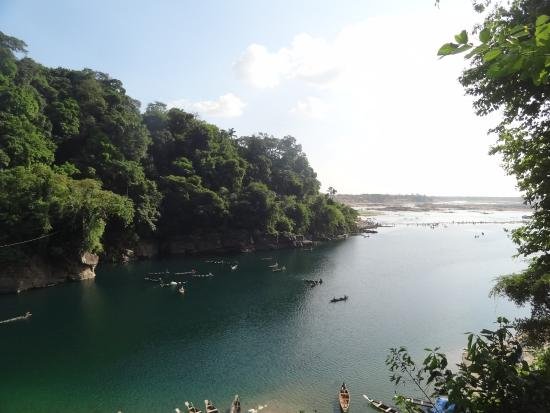
- Day 5 — Dawki and Mawlynnong (optional): River views, living root bridges (nearby Double Decker bridge trek), home-stays in Mawlynnong village.
- Day 6 — Return towards Guwahati: Stop at Kaziranga on route if time allows (requires more travel time); overnight near Guwahati.
- Day 7 — Depart: Last-minute shopping and fly/train out.
Adjust days to include Nagaland, Manipur or Arunachal with additional travel time and permit planning.
Activities and attractions that won’t break the bank
- Nature walks, local markets, viewpoints and village visits — often free or require a nominal fee.
- Self-guided treks to nearby root bridges or waterfalls — carry a local map and ask for directions.
- Community-run cultural tours and homestay experiences — affordable and directly benefit locals.
- River cruises in Assam (short rides) for wildlife and sunrise/sunset views — choose community operators or shared options.
Packing and health: essentials for comfort and low-cost travel
Pack light but thoughtful: quick-dry clothing, a rain jacket, sturdy shoes, a refillable water bottle with purifier tabs if you prefer, a basic first-aid kit and any prescription medicines. Carry sunscreen and insect repellent. A small daypack, power bank and copies of important documents will make travel smoother.
Safety, local etiquette and responsible travel
North-East India is generally safe for tourists, but follow common-sense precautions: avoid late-night travel on isolated stretches, keep valuables secure, and share travel plans with someone back home. Respect local customs — ask before photographing people, dress modestly in villages and accept invitations to homes politely.
Responsible tip: choose local guides, eat locally, and avoid single-use plastics to support communities and protect fragile environments.
Money-saving tips and smart budgeting
- Travel slower: fewer transfers reduce transport costs and stress.
- Use shared taxis and local buses instead of private hires wherever possible.
- Stay in homestays or guesthouses, and eat local food — both are cheaper and more authentic.
- Negotiate fairly for long-distance taxi hires, but avoid haggling over fixed fares at cooperatives.
- Book trains and long-distance buses early; compare flight prices with trains for longer routes.
- Keep some cash for remote areas; ATMs may be limited outside major towns.
When to splurge and where to save
It makes sense to splurge occasionally on unique experiences — a wildlife jeep in Kaziranga with a knowledgeable guide, a homestay with a cultural programme, or a guided trek to a famous root bridge. Save on transport by using shared options and on food by eating local. Balancing a few special experiences with thrifty daily choices makes the trip memorable without being expensive.
Practical checklist before you go
- Check permits and apply in advance if required.
- Book at least your arrival and first-night accommodation.
- Carry emergency contacts, a basic first-aid kit and copies of important documents.
- Inform your bank if you plan to use cards abroad (foreign nationals) and carry sufficient cash for remote stretches.
- Download offline maps and keep a list of local taxi stands and guesthouses.
With careful planning, openness to local experiences and a flexible itinerary, a trip across parts of the Seven Sisters can be both affordable and deeply rewarding. Embrace local travel rhythms, choose community-run services, and you’ll get more than just scenic sights — you’ll gain an understanding of diverse cultures and warm hospitality that money can’t buy.
Conclusion: A budget-friendly tour of the Seven Sisters is completely achievable. Prioritise your must-see places, plan permits and transport ahead, rely on local shared services and homestays, and leave room for serendipity. The region’s kindness, green landscapes and vibrant cultures will reward slow, thoughtful travel.