How Many Days to Keep for Agra and Fatehpur Sikri
Agra and Fatehpur Sikri can be comfortably covered in one to three days depending on pace and interests; this guide outlines ideal itineraries, travel tips, must-see sites and practical advice for planning your visit.
By TravMe travel team · · 6 min read
Agra and Fatehpur Sikri are two of Uttar Pradesh's most evocative destinations, steeped in Mughal history and architectural splendour. Deciding how many days to allocate depends on whether you want a quick highlights visit or a relaxed, immersive experience. This guide helps you choose the right itinerary, offers practical travel tips and suggests how to get the most from your time in both places.
Quick overview: How many days and why it matters
At minimum, one full day allows you to see the headline attractions: the Taj Mahal and Agra Fort, with a drive-by of Fatehpur Sikri if time permits. Two days is the sweet spot for most travellers — you can enjoy sunrise at the Taj, visit the city’s other monuments and markets, and still have time for a late-afternoon or next-day trip to Fatehpur Sikri. Three days gives a relaxed pace, time for museums and nearby towns (Mathura/Vrindavan), and allows for unhurried photography, local food and shopping.
Highlights you shouldn’t miss
- Taj Mahal — Sunrise is magical, but sunset views from Mehtab Bagh are also special.
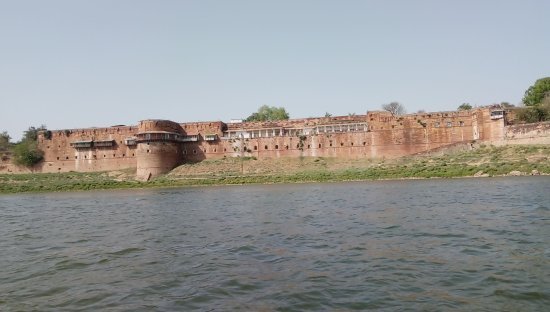
- Agra Fort — A UNESCO site with panoramas of the Taj and layered Mughal architecture.
- Itmad-ud-Daulah (Baby Taj) — Delicate inlay work and intimate gardens.
- Fatehpur Sikri — The red sandstone deserted city with Buland Darwaza, Jama Masjid, Panch Mahal and the tomb of Salim Chishti.
- Markets and local food — Marble inlay crafts, petha sweets, local Mughlai cuisine.
One-day itinerary: For brisk travellers or day-trippers
Who it’s for: People short on time, travellers on a Delhi–Jaipur route, or those on a single-day trip from Delhi.
- Start early from your base (Delhi, Jaipur or Agra) to reach the Taj Mahal at sunrise — fewer crowds and soft light for photos.
- Return to your hotel for breakfast, then head to Agra Fort. Spend 1.5–2 hours exploring its palaces, mosques and ramparts.
- Quick visit to Itmad-ud-Daulah if time permits — especially recommended if you enjoy finer details.
- If you still have energy and daylight, drive to Fatehpur Sikri (about 40–60 minutes from Agra) and spend 2–3 hours touring the main complexes. Otherwise, save Fatehpur Sikri for another day.
Tips for a one-day visit
- Buy Taj Mahal tickets online to avoid ticket queues.
- Use a private car or taxi for flexible timing — public transport consumes more time.
- Carry water, a hat and sunscreen; many sites have limited shaded areas.
Two-day itinerary: The ideal balance
Who it’s for: Most travellers, families and photographers who want to enjoy both Agra and Fatehpur Sikri without rush.
- Day 1: Sunrise at the Taj Mahal. Late morning visit to Itmad-ud-Daulah. Afternoon at Agra Fort and an evening walk through the Kinari Bazaar or Sadar Bazaar for shopping and street food.
- Day 2: Morning or late-afternoon visit to Fatehpur Sikri — the complex is less hot and crowded early or later in the day. On return, stop at Mehtab Bagh for a sunset view across the Yamuna if the light and season are right.
Why two days works best
A full two-day schedule lets you catch the Taj at its most beautiful time, explore multiple Mughal-era sites at a calm pace, and still have downtime for local experiences — sampling petha, watching craftsmen at work and strolling markets.
Three-day itinerary: Leisurely, in-depth exploration
Who it’s for: Culture lovers, photographers, travellers combining Agra with Mathura–Vrindavan or those staying nearby on a longer Uttar Pradesh tour.
- Day 1: Arrival, short local sightseeing and a relaxed evening.
- Day 2: Full day visiting the Taj Mahal at sunrise, Agra Fort, Itmad-ud-Daulah and museum visits (e.g., the Mughal Heritage walk or a guided city tour).
- Day 3: Early morning drive to Fatehpur Sikri to absorb the site in cooler hours, followed by an optional visit to nearby villages or Mathura/Vrindavan for temples and local culture.
Opportunities on a longer stay
- Take a guided heritage walk or photographic tour focused on architecture.
- Visit lesser-known sites like Mariam's Tomb or Akbar's Tomb at Sikandra for local context.
- Spend more time with food — try a full Mughlai meal at a recommended local restaurant.
Getting there and getting around
Agra is well connected by road and rail. From Delhi, trains and highways make it a popular weekend or day-trip destination. Fatehpur Sikri lies roughly 35–40 km from Agra and is easiest reached by car or guided tour. Once in Agra, tuk-tuks and cycle-rickshaws work for short hops, but use a private cab for inter-site travel to save time.
Best times to visit
- October to March is pleasant and ideal for sightseeing; early mornings and late afternoons are most comfortable in winter and avoid mid-day crowds in summer.
- Avoid mid-May to July if you dislike heat; monsoon brings humidity and occasional heavy rains.
Practical tips and local etiquette
- Respect photography rules — some interiors or religious sites restrict photography or require extra permissions.
- Dress modestly when visiting mosques and religious sites; footwear is often removed at entries.
- Carry small change for rickshaws and vendors; bargaining is common in markets.
- Official guides enhance the experience and can be hired at major monuments; check credentials and fixed rates before starting.
- Hydrate and wear sunscreen — many attractions have limited shade.
What to pack
- Comfortable walking shoes, hat and sunscreen.
- Reusable water bottle, power bank and camera with extra memory cards.
- Light layers for cooler mornings in winter; a lightweight raincoat or umbrella if travelling during the monsoon.
Combining Agra and Fatehpur Sikri with other UP highlights
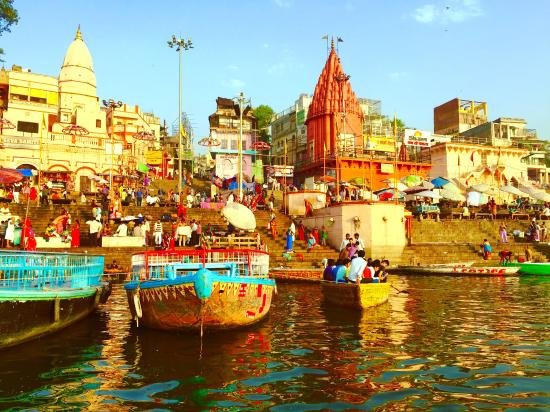
Agra often forms part of a broader Uttar Pradesh itinerary. Mathura and Vrindavan are a short drive away and offer temples, ghats and religious culture. Further afield, Varanasi is a different cultural experience but requires more travel time. If you have extra days, consider exploring local workshops, a rural village walk or a culinary tour focused on Mughlai and Awadhi cuisine.
Tip: If you have limited time but want to avoid the crowds, aim for sunrise at the Taj Mahal and late afternoon at Fatehpur Sikri. This sequencing maximises light and comfort.
Sample day-by-day plans
Fast-paced (1 day)
Sunrise at the Taj, breakfast, Agra Fort, quick visit to Itmad-ud-Daulah, drive to Fatehpur Sikri if time permits and return by evening.
Balanced (2 days)
Day 1: Sunrise Taj, Itmad-ud-Daulah, Agra Fort, evening market. Day 2: Morning or afternoon at Fatehpur Sikri, Mehtab Bagh at sunset.
Relaxed (3 days)
Day 1: Arrival and local exploration. Day 2: Full day of Taj, Agra Fort and museums. Day 3: Journey to Fatehpur Sikri and optional visit to Mathura/Vrindavan.
Final notes on planning
Choose your length of stay based on interest, travel rhythm and season. For a meaningful experience that balances the iconic sights with local culture, two days in Agra with a half-day to a full day at Fatehpur Sikri is usually ideal. If your schedule and curiosity allow, stretching to three days rewards you with deeper insight, better light for photography and less hurried time at each monument.
Whether you’re ticking off world-famous monuments or savouring petha and Mughlai flavours in a bustling bazaar, Agra and Fatehpur Sikri offer a layered, memorable glimpse of India’s Mughal past. Plan your days thoughtfully, book key tickets in advance, and leave some time for unplanned discoveries.
Safe travels and happy exploring!