How Many Days Should You Spend in Ayodhya?
Decide the right length for your Ayodhya trip with practical itineraries for 1–5 days, must-see temples, travel tips, best seasons, and nearby excursions to make the most of this ancient holy city.
By TravMe travel team · · 7 min read
Ayodhya, the legendary birthplace of Lord Rama, balances deep spirituality with living culture and a growing landscape of heritage sites. How many days to spend here depends on your interests—pilgrimage, history, photography, or a relaxed cultural exploration. This guide helps you pick the right itinerary, plan each day, and includes practical tips for travel, accommodation, and nearby day trips.
Why visit Ayodhya and what to expect
Ayodhya is one of India's oldest continuously inhabited towns and a major pilgrimage centre for Hindus. The city offers a blend of temples, ghats, renovated heritage sites, and yearly festivals that draw devotees and tourists alike. Expect serene morning aartis on the Saryu River, bustling temple precincts, and neighbourhoods where rituals and everyday life coexist. Infrastructure has improved over recent years, but certain services remain seasonal or crowded during festivals.
How many days should you spend: a quick guide
- 1 day (Quick spiritual visit) – Suitable if you are short on time and want to visit the key temples and experience the Saryu aarti.
- 2 days (Short, balanced trip) – Ideal for first-time visitors wanting a relaxed temple circuit plus a walk along the ghats and modest sightseeing.
- 3 days (Comfortable exploration) – Best for those who want to explore at a gentle pace, include nearby attractions, and attend cultural experiences.
- 4–5 days (In-depth and relaxed) – For pilgrims, photographers, and heritage enthusiasts who want day trips, lingering time at ghats, and to experience local rituals and cuisine.
One-day Ayodhya itinerary: highlights and timing
A one-day visit is brisk but doable if you start early. Aim to reach before sunrise to catch the divine atmosphere at the Saryu ghats.
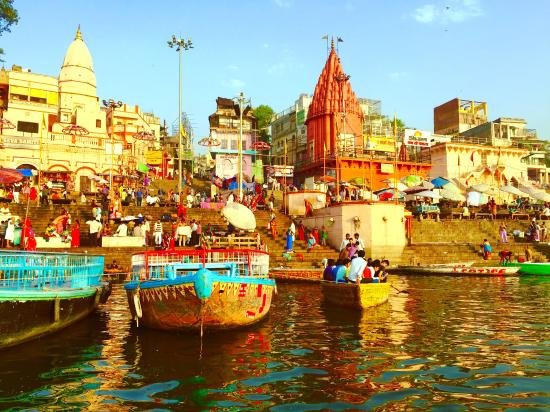
- Early morning: Witness the Saryu aarti at Dashrath Ghat—arrive early to find space and avoid rush.
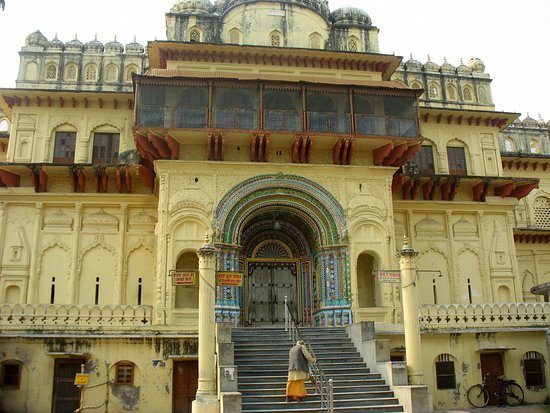
- Morning: Visit the central temples such as Hanuman Garhi and Kanak Bhawan for quick darshans.
- Lunch: Enjoy simple local vegetarian fare near the temple areas.
- Afternoon: Walk the old city lanes, visit Ram Ki Paidi and take photos of ghats and heritage façades.
- Evening: A second visit to the banks for sunset and the evening aarti if time allows—and a relaxed dinner before departure.
Two-day itinerary: a fuller taste of Ayodhya
With two days, you can break the pace and soak up more spiritual and historical context.
- Day 1 (Spiritual circuit)
- Sunrise at Saryu and morning aarti.
- Visit Hanuman Garhi, Kanak Bhawan, and Nageshwarnath Temple for darshan and local stories.
- Free time in afternoon—explore bazaars or rest at your hotel.
- Evening walk on Ram Ki Paidi and ghats.
- Day 2 (History and neighbourhoods)
- Visit the Ram Janmabhoomi complex and surrounding museums/galleries if accessible.
- Explore Guptar Ghat and Tulsi Smarak Bhavan for cultural context about Ayodhya in literature and history.
- Late afternoon tea and local snacks, then a relaxed final aarti or temple visit before departure.
Three-day itinerary: for deeper immersion
Three days allow you to absorb more of Ayodhya's rituals, take guided walks, and add a short excursion.
- Day 1: Core temples and Saryu aarti; spend more time in each temple and speak to local priests or guides for context.
- Day 2: Visit museums, archives, and lesser-known temples. Schedule a guided heritage walk to understand the town’s layers—mythic, medieval and modern.
- Day 3: Day trip to a nearby spiritual spot such as Naimisharanya or take a quiet day by the ghats to observe rituals and photograph the river life.
Four- to five-day stay: contemplative and exploratory
If your trip is about pilgrimage, study or slow travel, extend your stay to soak the rhythm of Ayodhya.
- Attend multiple aartis (dawn and dusk) and participate in any discourses or bhajan sessions you find.
- Use extra days for nearby excursions—Faizabad’s old bazaars, Chitrakoot (if you don’t mind a longer drive) and smaller temple sites that are off the usual circuit.
- Consider spending time volunteering at a local ashram or participating in community prasad distribution if available and welcome.
Must-see places and why they matter
- Ram Janmabhoomi complex: The focal point of Ayodhya—visit to understand contemporary history and devotion.
- Hanuman Garhi: A fort-temple with panoramic views of the city; popular with devotees and travellers alike.
- Kanak Bhawan: Known for its artistic idols and faith traditions linked to Lord Rama and Sita.
- Saryu River ghats: Central to daily ritual life; mornings and evenings here are atmospheric and photographically rewarding.
- Nageshwarnath Temple: Ancient shrine associated with sage traditions and local lore.
Best time to visit Ayodhya
Ayodhya can be visited year-round, but each season has trade-offs:
- Winters (October–March): Most comfortable for sightseeing and outdoor activities—mornings are crisp and pleasant.
- Monsoon (July–September): Lush surroundings, fewer tourists; heavy rains can disrupt travel and river activities.
- Summer (April–June): Very hot, peak heat can make daytime outings tiring; early mornings and late evenings are preferable.
Festival periods bring a charged atmosphere. If you want to witness major festivals, plan in advance and expect crowds and limited accommodation availability.
Practical tips: travel, stay, and movement
- Getting there: Ayodhya is connected by rail and road. Nearby airports serve the region—check current connectivity, as schedules and new services change.
- Local transport: Auto-rickshaws and cycle-rickshaws are common for short distances. For comfort, book private cabs through reputed services for longer day trips.
- Accommodation: Options range from simple dharamshalas and guesthouses to mid-range hotels. Choose lodgings close to the Saryu or main temple precinct to minimise commute times.
- Guides: Hiring a local guide for a few hours can deepen your understanding of rituals, architecture, and history—ask your hotel for recommendations.
Food and dining: what to try
Ayodhya’s food scene is primarily vegetarian and rooted in local tastes. Expect simple North Indian cuisine—dal, sabzi, rotis, kachoris, chaat and sweets like peda and malai-based mithai. Street food near temples offers quick snacks, while a few eateries serve thalis and milder curries suitable for most palates. As with all pilgrimage towns, hygiene standards vary; prefer busy stalls with turnover and bottled water.
Dos and don'ts for respectful travel
- Dress modestly when visiting temples and ghats; shoulders and knees covered are advisable.
- Follow rules at temple complexes—some areas may restrict footwear or photography.
- Ask before taking photographs of people during rituals; some devotees value privacy.
- Participate respectfully in rituals if invited; if unsure, observe quietly.
- Carry small cash for offerings, local transport and stalls—digital payments are increasingly common but not universal.
Accessibility and safety
Many temples and ghats have steps which might be difficult for travellers with limited mobility. Some newer facilities include ramps or alternative routes, so call ahead or ask your hotel for specifics. General safety is similar to other Indian small cities—watch for traffic while crossing roads, keep belongings secure in crowded areas, and stay hydrated in warmer months.
Suggested packing list
- Comfortable cotton clothing with at least one modest outfit for temple visits.
- Light shawl or scarf for sun protection or modesty.
- Good walking shoes and a pair of slip-on shoes for entering temple complexes.
- Reusable water bottle, sunscreen, hat and basic first-aid items.
- A small notebook or phone for notes if you want to record priestly instructions or local lore.
Nearby excursions worth adding
- Faizabad: Close by, offering historic bazaars and colonial-era sites.
- Naimisharanya: A revered forest shrine with deep Vedic associations, suitable for a day trip from Ayodhya.
- Chitrakoot: Further afield but rich in Ramayana lore—best if you have extra days or are combining with a longer spiritual tour.
Tip: If time is limited, prioritise the Saryu ghats and the main temple circuit for an authentic Ayodhya experience; if you have more days, weave in museums, guided walks and nearby spiritual sites.
Sample packing of your days based on travel style
Fast-paced travellers: 1–2 days focusing on sunrise aarti, main temples and quick town walks. Leisure travellers: 3–4 days allowing for relaxed mornings, cultural interactions and a day trip. Pilgrims and seekers: 4–5+ days to participate fully in rituals, community life and deeper study.
Conclusion
How many days to spend in Ayodhya depends on what you want from the visit. A meaningful, compact experience can be achieved in a day if planned carefully; a relaxed and reflective trip benefits from 3–5 days. Whatever your timeframe, prioritise the Saryu ghats, main temples and at least one cultural interaction to leave with a richer appreciation of Ayodhya’s spiritual and historical layers.