How Many Days Are Enough for Varanasi?
Varanasi rewards slow travel — 2–3 days cover the highlights, while 4–5 days allow deeper exploration including Sarnath, village walks and soulful boat rides on the Ganges.
By TravMe travel team · · 6 min read
Varanasi is a city that refuses to be rushed. Its rhythm is set by the Ganga, the chants at dawn, the evening aarti, and the narrow lanes where every turn reveals a ritual, a sweet shop or an age-old temple. Deciding how many days to spend depends on what you want from the experience: an overview, a spiritual immersion, or a deep cultural dive. This guide helps you choose a confident itinerary and offers practical tips so your time here feels rich and manageable.
Quick answer: How many days are enough?
For a first-time visitor who wants to see the essentials — sunrise boat ride, evening Ganga Aarti, Kashi Vishwanath Temple and a taste of local life — 2 full days are the sweet spot. If you’d like to add Sarnath, explore lesser-known ghats and neighbourhoods, try street food properly, or absorb the city more slowly, plan for 3 to 4 days. For travellers seeking a deeper spiritual retreat, photography, or day trips to nearby Varanasi-region villages and workshops, 5+ days is ideal.
When to visit and how it affects length of stay
The best months are from October to March when the weather is pleasant; winter mornings are misty and atmospheric, especially on the river. During winter you may want extra mornings to capture the light. Summers are hot and humid, which makes mid-day exploration tiring and can shorten productive sightseeing hours. If you arrive during festival periods such as Diwali or Dev Deepawali, expect the city to be busier — but also more magical — and you may wish to add a day to soak in the celebrations.
Suggested itineraries by number of days
One day: A whirlwind introduction
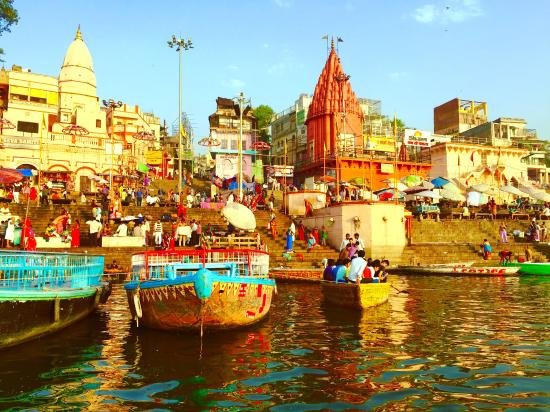
- Sunrise boat ride on the Ganges to watch rituals and see the ghats from the water.
- Walk the main ghats (Dashashwamedh, Manikarnika from a distance) and experience the energy of the city.
- Visit Kashi Vishwanath Temple (note the queue and dress code) and explore the surrounding Vishwanath Gali for a sense of old-town life.
- Evening Ganga Aarti at Dashashwamedh — arrive early to get a good vantage point.
One day gives a powerful first impression but is rushed; plan on an early start and be prepared for crowds.
Two days: The balanced primer (recommended for first-timers)
- Day 1: Sunrise boat ride, ghats walk, Kashi Vishwanath and nearby lanes, sample street food (kacchi kachori, tamatar chaat, lassi).
- Day 1 evening: Attend the Ganga Aarti from the ghat or a boat for a different perspective.
- Day 2: Visit Sarnath (short drive from the city) to see the Buddhist stupas and museum, return for an evening free to explore bazaars and try local thali.
This itinerary balances the spiritual heartbeat of the city with a calm, reflective visit to Sarnath, making it the most practical option for many travellers.
Three days: Deeper cultural immersion
- Day 1 & 2: Follow the two-day plan.
- Day 3: Explore offbeat ghats (Scindia, Assi), join a walking tour of old lanes, visit a silk workshop to learn about Varanasi’s famous brocades, or book a classical music performance in the evening.
Three days offer time to slow down, try more food, and appreciate the city’s craft and music traditions.
Four to five days: Slow travel and local experiences
- Spend mornings on the river and afternoons at your leisure — reading, visiting museums or relaxing in a rooftop café with a view of the ghats.
- Take a cooking class to learn regional recipes, join a photography tour focused on light and rituals, or arrange a village excursion to see rural life along the Ganges.
- Find time for lesser-known sites such as Tulsi Manas Temple, Bharat Kala Bhavan Museum, or explore the red-light area with sensitivity and a guide to learn about social history.
Four to five days is perfect for travellers who want a richer, less hurried encounter with Varanasi’s many layers.
Essential experiences you shouldn’t miss
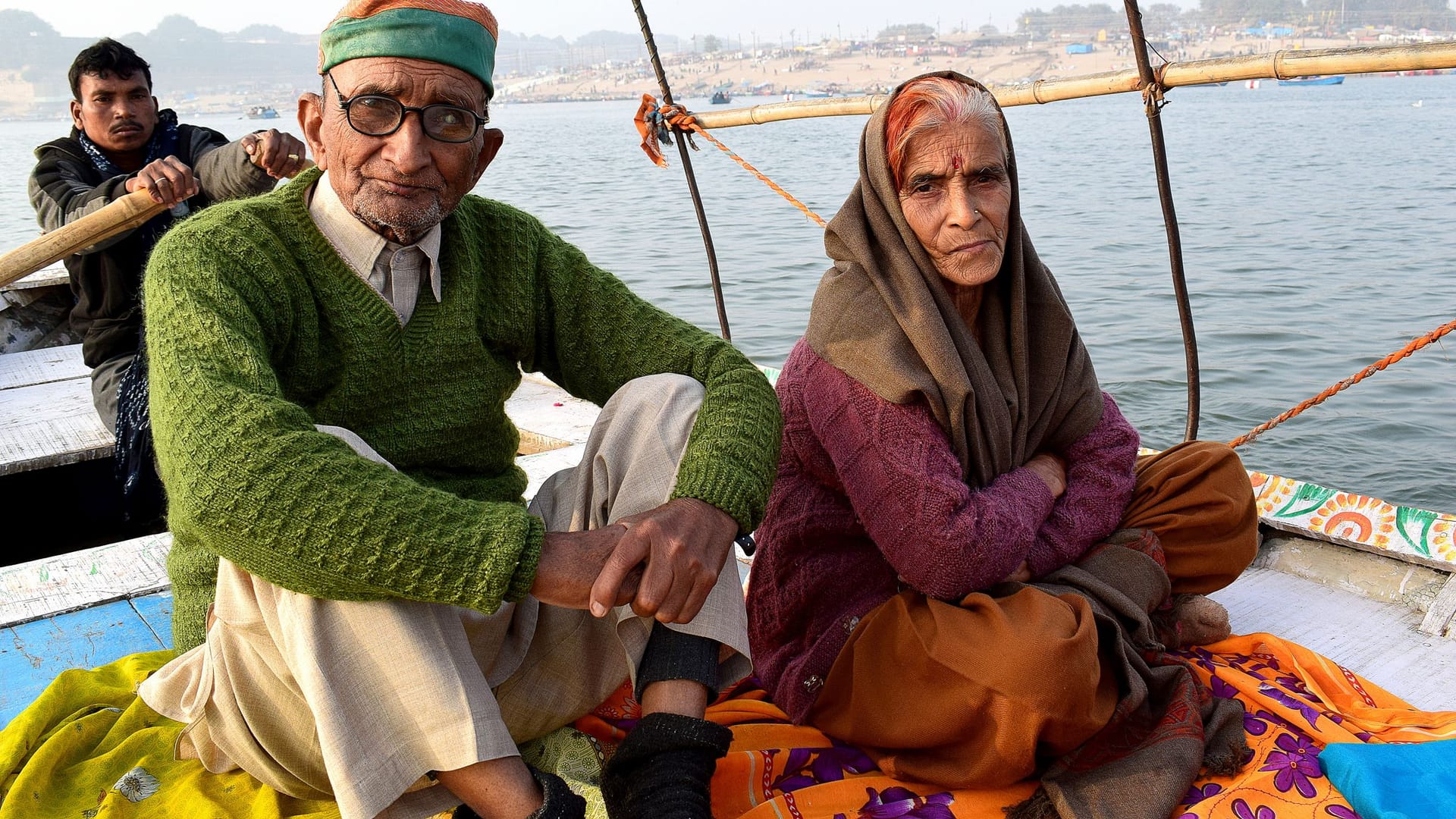
- Ganga sunrise boat ride: The ghats and the rituals look completely different from the water — this is where you feel the city’s pulse.
- Ganga Aarti: The evening aarti is an emotional highlight; try both ghat and boat vantage points if time allows.
- Kashi Vishwanath Temple: One of Hinduism’s most revered shrines; plan for time in queues and dress respectfully.
- Sarnath: Important for Buddhist history and a calm contrast to the city’s intensity.
- Food and sweets: Taste chaat, kachori, malaiyyo (seasonal winter sweet), and Banarasi paan if you like it.
Practical tips to make the most of your stay
- Timing: Mornings and evenings are the best time for the ghats; afternoons can be hot and best used for indoor museums or siestas.
- Guides and tours: A local guide adds historical and cultural depth and helps navigate narrow lanes and crowded sites. For temple visits, guides can clarify rituals and customs.
- Footwear and dress: Wear comfortable shoes for uneven lanes, and carry modest clothing for temple entry. Keep a scarf handy for sun and smoke from ritual fires.
- Safety and health: Use bottled water, eat at places with good turnover for street food, and be cautious with very spicy or unfamiliar items. Keep valuables secure in crowded areas.
- Photography: Ask permission before photographing people, especially during intimate rituals. Morning light is best for photos of ghats and boats.
Where to stay
Staying near the ghats provides immediate access to sunrise and evening activities — rooftop hotels and guesthouses offer the most evocative views. South of the ghats around Godowlia and Cantonment offers more conventional hotels and easier parking access. Decide whether you want to be in the heart of the old city (immersive, noisy and bustling) or in a quieter hotel area (more comfortable, less immediate).
Transport and logistics
Varanasi is served by air, train and road. Within the city, short rickshaw rides are practical for narrow lanes; taxis and app-based cabs work well for longer distances like Sarnath. Allow time for traffic and the slow pace of old-town lanes. If you plan multiple early-morning boat rides, arrange them the evening before or through your hotel to avoid delays.
Special considerations for spiritual travellers
Varanasi can be an intense spiritual experience. If you come for personal practice, consider staying longer to align with temple timings and to participate in morning aarti, meditation or classical music sessions. Respect local customs: silence during puja when requested, and avoid intrusive behaviour during rituals. Many visitors find the city most rewarding when they balance observation with quiet reflection.
Tip: Let the city set your tempo. Plan key experiences but leave pockets of unplanned time to wander, sit by the river and simply watch.
Ultimately, the right number of days depends on your travel style. Two days will show you why Varanasi is unforgettable; three to five days let you discover why many people return. Whatever your schedule, prioritise the river at dawn and the aarti at dusk — these are the moments that define a visit.
Conclusion: Varanasi rewards presence more than a checklist. For most travellers 2–3 days is ideal; allow more time if you want slower rhythms, deeper cultural learning or day trips. Pack patience, curiosity and comfortable shoes — and let the city work its quiet magic.