How Many Days Do You Need for Uttar Pradesh?
Uttar Pradesh can be seen in a short trip or explored deeply over two weeks. This guide outlines ideal day plans, sample itineraries for 2–14 days, transport tips, best seasons and practical advice to plan your UP journey.
By TravMe travel team · · 5 min read
Uttar Pradesh is a vast state where Mughal monuments, sacred ghats, Nawabi culture and rural plains coexist. How many days you need depends on what you want to see: a focused pilgrimage, the Taj and Agra, a cultural deep-dive through Lucknow and Varanasi, or a broader North Indian circuit. This article breaks down realistic timeframes and offers sample itineraries so you can plan a trip that fits your interests and pace.
Why time matters in Uttar Pradesh
UP is India's fourth-largest state by area and home to very different experiences. Some attractions demand more time—Varanasi’s sunrise rituals or a guided exploration of Lucknow’s old city—while others can be enjoyed on a day trip, such as Agra’s Taj Mahal visit when combined with Fatehpur Sikri. Travel time between cities, the pace you prefer, and the season all shape how many days you should allocate.
Quick guides: Minimum recommended days
- 1 day: Not ideal, but possible for a single city focus such as an early morning Taj Mahal visit from a nearby base, or a concentrated day in Mathura-Vrindavan for festival visits.
- 2–3 days: Agra (Taj Mahal, Agra Fort, Mehtab Bagh, optional Fatehpur Sikri).
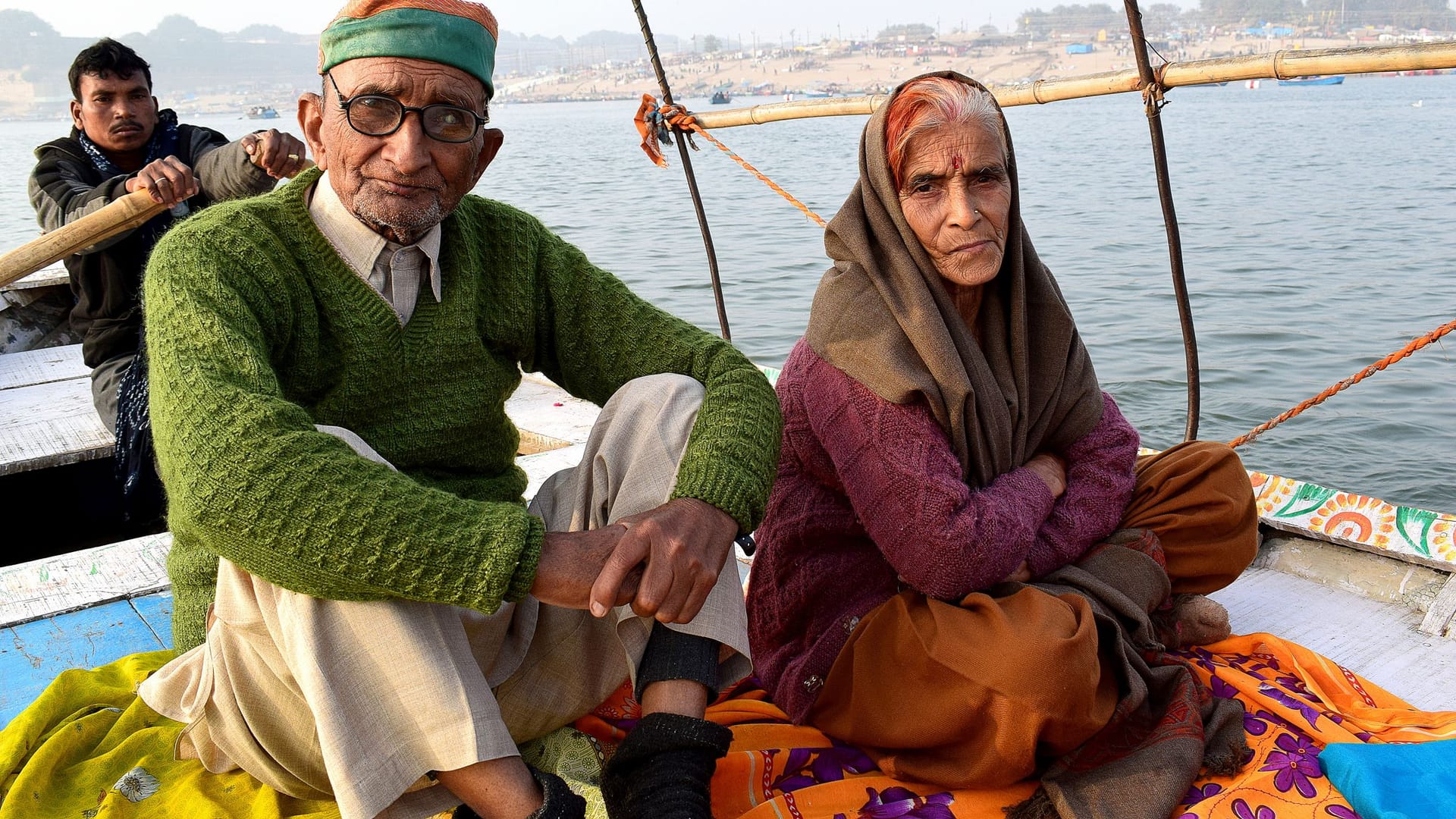
- 2–3 days: Varanasi (Ganga aarti, boat ride at dawn, Sarnath). Three days allow a more relaxed pace and time for exploration of narrow lanes.
- 1–2 days: Lucknow (Bara Imambara, Rumi Darwaza, kebabs, strolls in Hazratganj).
- 1 day: Mathura–Vrindavan (temples and evening aartis) or day trips to nearby heritage sites.
Sample itineraries by trip length
Short getaway: 3 days (Agra focus)
- Day 1: Arrive in Agra, visit Agra Fort, Mehtab Bagh for sunset view of the Taj.
- Day 2: Early morning at the Taj Mahal, later visit Itimad-ud-Daulah (Baby Taj), shopping and local markets.
- Day 3: Excursion to Fatehpur Sikri before departure.
Culture & spirituality: 4–6 days (Varanasi + Sarnath or Agra)
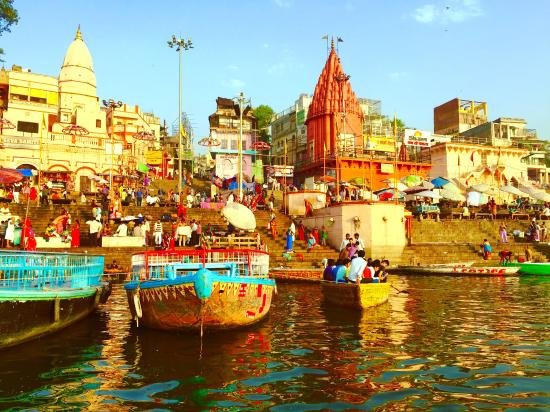
- Day 1: Arrive in Varanasi, attend Ganga aarti at Dashashwamedh Ghat.
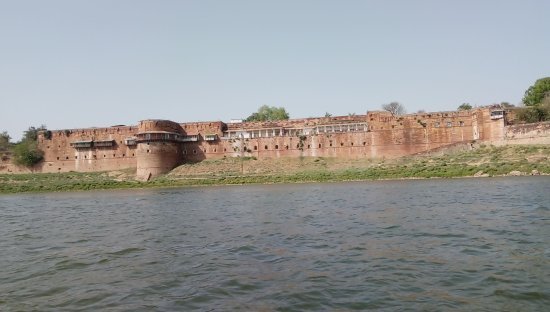
- Day 2: Dawn boat ride, explore old city lanes; afternoon rest or visit Ramnagar Fort.
- Day 3: Day trip to Sarnath; evening cultural performance or classical music (seasonal).
- Optional Days 4–6: Add Agra or Lucknow by train or flight for a combined cultural circuit.
Classic UP circuit: 7–9 days (Lucknow, Agra, Varanasi)
- Days 1–2: Lucknow — heritage walk, culinary tour and monuments.
- Days 3–4: Agra — Taj, Agra Fort, Fatehpur Sikri.
- Days 5–7: Varanasi — ghats, Sarnath and immersive cultural experiences.
- Day 8–9: Buffer days for travel, rest or a detour to Jhansi for a quick glimpse of Bundelkhand.
Two-week deep dive: 10–14 days (complete UP experience)
This pace allows you to include smaller towns, regional flavours and offbeat sights.
- Highlights: Agra, Fatehpur Sikri, Mathura-Vrindavan, Lucknow, Varanasi, Sarnath, Jhansi, Orchha (technically in Madhya Pradesh but commonly paired), Kanpur and rural tours in eastern UP.
- Additions: Temple circuits, heritage walks, local craft workshops and river-based experiences.
How to choose the right itinerary for you
Ask yourself three questions:
- What are your non-negotiables? (Taj Mahal, Varanasi ghats, Lucknow kebabs)
- Do you prefer a relaxed trip or a packed sight-seeing schedule?
- How will you travel between cities—flight, train, private car?
If architecture and monuments are your priority, focus on Agra, Fatehpur Sikri and Jhansi/Orchha. For spiritual and cultural immersion, choose Varanasi, Sarnath, Mathura–Vrindavan and local festivals. If food and Nawabi culture appeal most, give Lucknow extra time.
Transport and realistic travel times
Distances in UP can be deceptively long because of road conditions and traffic. Consider these modes:
- Domestic flights link Lucknow, Varanasi and Agra (seasonal). Flights save time for longer circuits.
- Trains are often the best option between major cities—overnight trains can convert travel time into sleeping time.
- Private car or taxi offers flexibility for roadside stops and rural detours but factor in slower speeds on some routes.
Best time to visit
The most comfortable months are late autumn through early spring, when mornings and evenings are cool and festival activity is high. Summers are hot and humid across much of UP; winters can be foggy, affecting early morning photography and flights, especially in December–January.
Practical tips and local insights
- Plan for mornings: Major attractions like the Taj and Varanasi ghats are best experienced at sunrise to avoid crowds and midday heat.
- Book trains early: Popular routes fill quickly, especially around festivals and holidays.
- Food safety: Enjoy street food but choose busy stalls with high turnover; use bottled water and avoid raw salads if you have a sensitive stomach.
- Dress respectfully: While UP is cosmopolitan in cities, modest clothing is appreciated at religious sites.
- Local guides: Hiring a knowledgeable guide in places like Varanasi or Lucknow adds context and makes lanes and rituals easier to navigate.
Tip: Build in a buffer day when moving between cities—delays, unexpected discoveries and leisurely meals are part of travel in Uttar Pradesh.
Where to stay: neighbourhood tips
Choose a neighbourhood that matches your priorities. In Agra, stay near the Taj for easy morning access; in Varanasi, the Ghats area is atmospheric though busy; in Lucknow, Hazratganj and Aminabad are central and heritage-rich. For longer trips, split your nights between bazaars and quieter suburbs to balance convenience and rest.
Sample packing list for UP
- Comfortable walking shoes for ghats, markets and monuments.
- Sun protection: hat, sunglasses and sunscreen for daytime sightseeing.
- Layered clothing for cool mornings and warm afternoons in winter months.
- Reusable water bottle and basic medicines for stomach upsets and motion sickness.
- Portable power bank and copies of travel documents.
Safety and health considerations
UP is generally safe for tourists, but usual precautions apply: avoid isolated areas at night, keep valuables secure, and use pre-booked transport late at night. During festivals, be aware of crowds and follow local guidance. If you have dietary restrictions or health conditions, carry necessary prescriptions and consult a local pharmacist if needed.
Final checklist before you go
- Confirm travel times and connections, especially trains and flights.
- Pre-book popular monuments if online booking is available to avoid queues.
- Check festival calendars—holidays can be vibrant but also crowded and cause transport demand.
- Keep local currency handy for small purchases and tips.
Conclusion: If you must pick a bare minimum, three days give a satisfying glimpse (Agra or Varanasi), while a week lets you experience UP’s major highlights without rushing. Two weeks are ideal for a deeper, more varied exploration that includes lesser-known towns and relaxed cultural immersion. Choose according to your interests, allow for travel time between cities, and leave room for the unexpected delights that make Uttar Pradesh a memorable part of any India trip.