How Many Days Do You Need for a Ladakh Trip?
Plan your Ladakh trip by balancing acclimatisation, travel time and must-see sights. This guide outlines realistic 5-, 7-, 10- and 14-day itineraries and practical tips for a safe, memorable journey.
By TravMe travel team · · 7 min read
Ladakh's stark landscapes, high mountain passes and serene monasteries tempt many travellers, but altitude and long distances mean planning is crucial. Decide how many days you need based on your arrival route, energy levels, and whether you want a fast-paced sightseeing trip or a leisurely exploration with time for acclimatisation and side excursions.
Key factors that determine trip length
Before choosing an itinerary, consider the following factors. They will shape how many days you need and what you can realistically include in your trip.
- Arrival method: Flying into Leh saves time but gives less acclimatisation; arriving by road from Manali or Srinagar is slower but offers gradual altitude gain.
- Acclimatisation needs: At 3,500 metres and above, Ladakh requires careful acclimatisation to reduce the risk of altitude sickness.
- Interests: Are you focused on monasteries and culture, scenic drives and passes, trekking, or motorbiking? Each needs different time.
- Season: Road conditions and permit processes change with seasons, affecting travel time and route options.
- Physical fitness and travel style: Group tours, self-drive, or motorbike trips travel differently; budget extra time for fatigue and delays.
Minimum recommended stay
If you must choose a bare minimum, plan 5 full days in Ladakh. This gives a quick introduction to Leh and its nearby attractions with proper acclimatisation time. A 5-day plan is best for travellers who have limited holiday days and are comfortable with a fast pace.
What a tight 5-day itinerary looks like
- Day 1: Arrival in Leh, rest and gentle walk around the town; hydrate and avoid exertion.
- Day 2: Acclimatisation day—local sightseeing: Leh Palace, Shanti Stupa, markets; short drives only.
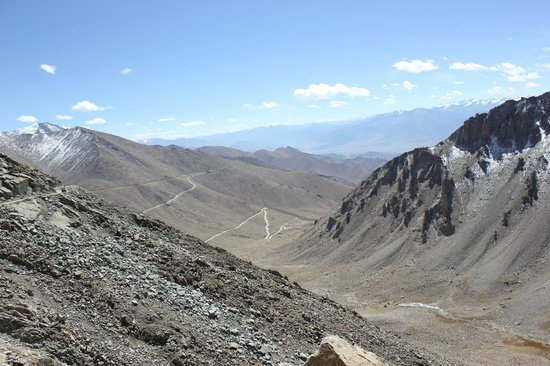
- Day 3: Khardung La (or alternative) and Nubra Valley; overnight in Diskit or Hunder.
- Day 4: Return via Khardung La, visit Turtuk if time permits; back to Leh.
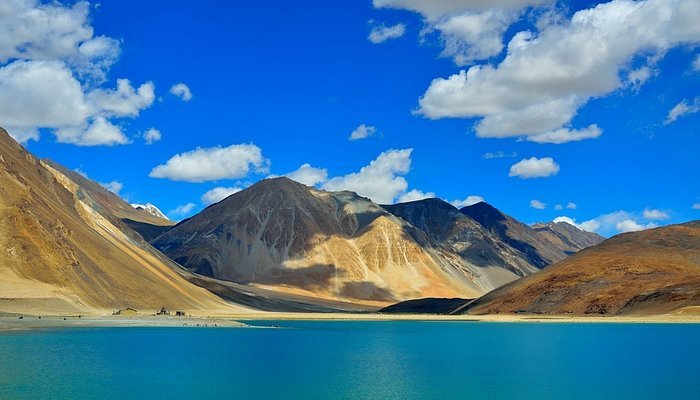
- Day 5: Day trip to Pangong Tso or Hemis Monastery; departure or continue journey.
This schedule is compressed: travel times between valleys are long, and roadside delays are common.
Comfortable pace: 7–10 days
Seven to ten days is the sweet spot for most travellers. It balances acclimatisation, major sights and a couple of excursions without rushing. You can visit Pangong Tso, Nubra Valley and the main monasteries, with time to enjoy local culture and optional shorter treks.
Suggested 7-day itinerary
- Day 1: Arrive Leh; rest and short walk.
- Day 2: Acclimatise with local sightseeing (Leh Market, Leh Palace, Shanti Stupa).
- Day 3: Drive to Nubra Valley via Khardung La; explore Diskit Monastery.
- Day 4: Explore Hunder sand dunes, double-humped camels; return to Leh or stay another night.
- Day 5: Drive to Pangong Tso, stop at Chang La; overnight near the lake.
- Day 6: Morning at Pangong, return to Leh with stops; relax.
- Day 7: Short trip to Hemis or Thiksey Monastery; depart or extend.
Suggested 10-day itinerary for relaxed exploration
- Days 1–2: Arrival and full acclimatisation with local activities.
- Days 3–4: Nubra Valley with a day trip to Turtuk (if open).
- Days 5–6: Return to Leh and then a slow trip to Pangong with an overnight stay to embrace the lake.
- Day 7: Return to Leh; day at leisure
- Day 8: Drive to Tso Moriri via Chumathang or explore Markha Valley approach for trekkers.
- Days 9–10: Tso Moriri area, local interactions with nomadic communities, return to Leh.
Ten days gives scope for alternative routes and to absorb weather delays.
Two weeks or more: deep dive and high passes
If you have 14 days or more, you can explore Ladakh in depth: cross both Manali and Srinagar routes, include Tso Moriri, explore Markha Valley or Spiti crossings, and fit in multi-day treks. Longer trips allow cultural immersion—attend local festivals, spend time with monasteries, and explore lesser-known villages like Alchi and Lamayuru at leisure.
Arrival options and how they affect trip length
Fly to Leh
Leh’s flight makes Ladakh accessible quickly, but you gain altitude rapidly. Budget at least 24–48 hours of low-activity acclimatisation in Leh before doing high passes or heavy activity. Flights are subject to weather cancellations, so keep buffer days.
Drive via Manali or Srinagar
Overland approaches give gradual altitude gain and spectacular scenery. However, each route consumes multiple days—Manali–Leh generally takes 2–3 days with stops; Srinagar–Leh can take 2–3 days. Roads open seasonally, so plan accordingly. Add extra days for road travel and the possibility of landslides or delays.
Acclimatisation and health considerations
Altitude sickness is real. Symptoms include headache, nausea, dizziness, breathlessness and insomnia. Prevention and early action are essential:
- Ascend slowly and include at least one full day of rest in Leh.
- Hydrate well, avoid alcohol and heavy meals on the first day.
- Eat light, carbohydrate-rich meals; take rest breaks during drives.
- Consider preventive medication after consulting your doctor.
- Recognise severe symptoms (confusion, difficulty breathing) and descend immediately to lower altitude; seek medical help.
Listen to your body. No view is worth risking severe altitude illness—descend if symptoms worsen.
Permits, passes and practicalities
Indian nationals and foreign tourists require permits for certain areas. Permits may be issued at Leh or at entry points—rules change, so always check current requirements before travel. Common permit types include Inner Line Permits for restricted zones and Protected Area Permits for border regions.
Other practical tips:
- Carry copies of ID, permits and emergency contacts.
- ATMs are limited; carry cash for remote areas and fuel stops.
- Mobile network coverage is patchy—download maps offline and plan meeting points.
- Fuel availability can be limited in remote valleys; refill when you can.
Packing checklist and clothing
Layering is the key—days can be warm while nights are cold even in summer. Essentials include:
- Warm jacket, thermal layers, gloves and a hat for cold nights.
- Sturdy walking shoes and sun protection—sunglasses, high SPF sunscreen, lip balm.
- Basic first-aid, medications for altitude, prescription drugs, ORS and rehydration salts.
- Portable power bank and a universal travel adapter.
- Snacks, water purification tablets and a reusable water bottle.
Transport options within Ladakh
Decide between hiring a private car with a driver, self-drive, or motorbike. Each has pros and cons:
- Private car and driver: Comfort and local knowledge, less fatigue for the traveller; drivers are experienced with mountain roads.
- Self-drive: Flexibility, but requires experience on mountain roads and comfort handling vehicle issues.
- Motorbiking: Iconic experience—requires preparation, weather resilience and mechanical awareness.
For longer routes and remote areas prefer a sturdy SUV; for two-wheelers, hire from reputable operators who maintain bikes properly.
Timing your trip: best seasons and festival highlights
The main tourist season is from late May to September when roads are open and weather is stable. Late spring brings melting snow and high passes become accessible; monsoon largely misses Ladakh but can affect roads feeding into the region. Autumn brings crisp skies and fewer crowds. Winter is harsh with many routes closed but attracts adventure travellers interested in snow and frozen lakes.
Local festivals such as Losar, Hemis Tsechu and Thiksey Gustor are colourful cultural highlights—if your dates align, they are worth experiencing but may require adjusting travel plans and booking early.
Sample planning checklist before you leave
- Confirm route and number of days; allow buffer days for weather and flights.
- Book permits and accommodation in advance during peak season.
- Get a medical check-up and discuss altitude medicines with your doctor.
- Prepare a flexible itinerary—expect changes and enjoy the journey.
Whether you have five days or two weeks, Ladakh rewards careful planning. Prioritise acclimatisation and safety, allow time for the long drives between valleys, and leave room to linger—some of the best memories are made in unplanned moments beside a high-altitude lake or on a quiet monastery terrace.
Happy travels—plan well, go slow, and let Ladakh’s high desert work its quiet magic on you.
Conclusion
In short: a minimum of five days gives a snapshot, seven to ten days offers a comfortable exploration, and two weeks allows for a thorough, unhurried discovery of Ladakh. Choose your pace based on how much acclimatisation you need, which sights you prioritise and whether you prefer flights or scenic road journeys. With sensible planning, Ladakh becomes not just a checklist of places, but a deeply memorable experience.