How Many Days Do You Need for a Kashmir Trip?
Deciding how many days to spend in Kashmir depends on interests—nature, adventure, or relaxed houseboat stays. This guide outlines realistic 3-, 5-, 7- and longer-day itineraries, travel tips, best times to visit and packing advice.
By TravMe Holidays travel team · · Updated · 7 min read
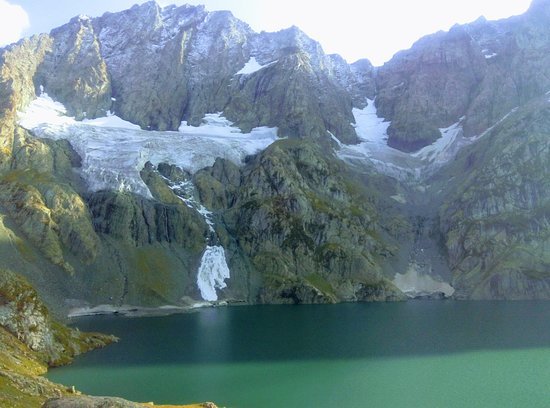
Kashmir is often called "Paradise on Earth" for a reason: snow-capped peaks, emerald lakes, fragrant chinar trees and a culture that feels timeless. How many days you should spend here depends on what you want to experience—are you chasing serene houseboat mornings, skiing on powdery slopes, or exploring mountain valleys and high-altitude meadows? This guide breaks down practical itineraries for different trip lengths and offers tips to help you make the most of your Kashmir holiday.
How to decide the length of your Kashmir trip
Start by asking a few simple questions: Do you prioritise relaxation or activity? Are you comfortable with long drives in mountain terrain? Do you want to experience several places or to slow down and savour one? Travel logistics also matter—flight/time costs to reach Srinagar or Jammu can eat into short trips, so account for arrival and departure days.
- Short trips (3 days) are best for a quick taste—Srinagar and nearby Gulmarg or a single valley circuit.
- Medium trips (5–7 days) allow a well-rounded experience—Srinagar, Gulmarg, Pahalgam and Sonamarg in a comfortable pace.
- Longer trips (10+ days) work for deeper exploration—off-the-beaten-track treks, Ladakh crossover, multi-day trekking or extended stays at houseboats and village homestays.
Best time to visit
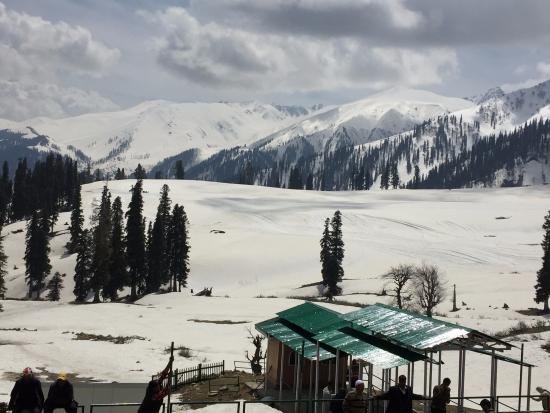
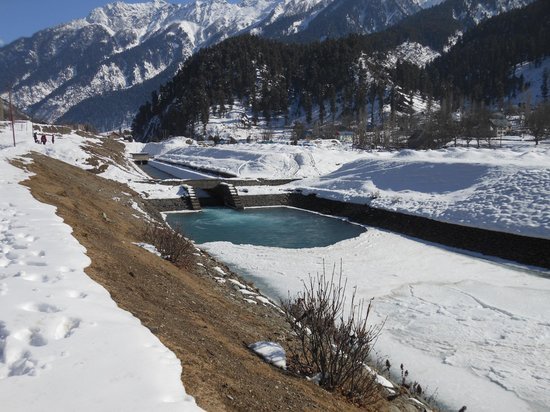
Kashmir offers distinct seasonal experiences. Spring and early summer (March to June) showcase blooming gardens, pleasant weather and flowing rivers. July and August bring lush green valleys but can be wetter. Autumn (September to November) is famous for chinar foliage and crisp days. Winter (December to February) turns Kashmir into a snow playground—ideal for skiing and snow stays but some high passes and roads may be closed.
Consider your priorities: for tulips and gardens, aim for spring; for treks and meadows, late May to early September; for snow sports, winter months. Always check local weather forecasts and road conditions before travel.
Sample itineraries by trip length
3-day itinerary: Quick Kashmir highlights
Ideal if you have only a long weekend. Focus on Srinagar with one nearby excursion.
- Day 1: Arrive in Srinagar. Relax on a houseboat on Dal Lake, take an evening shikara ride and try Wazwan-influenced cuisine.
- Day 2: Day trip to Gulmarg for panoramic scenery; if season permits, enjoy the Gondola ride and easy walks. Return to Srinagar by evening.
- Day 3: Explore Mughal gardens (Shalimar, Nishat), local markets for pashmina and handicrafts, depart.
5-day itinerary: Srinagar, Gulmarg and Pahalgam
This is a comfortable pace to see the three classic destinations.
- Day 1: Arrive Srinagar. Houseboat stay and shikara.
- Day 2: Srinagar local (gardens, old city and markets). Overnight Srinagar.
- Day 3: Transfer to Gulmarg. Ride the Gondola, short walks or skiing in winter. Overnight in Gulmarg.
- Day 4: Drive to Pahalgam via scenic routes. Evening at leisure beside the Lidder River.
- Day 5: Short walks in Pahalgam or pony ride, return to Srinagar for departure.
7-day itinerary: A relaxed circuit plus Sonamarg
Allows more time to enjoy each place without rush and include Sonamarg's alpine charm.
- Day 1–2: Srinagar houseboat, gardens, local craft shopping.
- Day 3: Gulmarg for Gondola and meadow walks; overnight Gulmarg.
- Day 4: Drive to Pahalgam, evening by the river; optional short trek to nearby meadows.
- Day 5: Explore Pahalgam more deeply or relax; overnight.
- Day 6: Transfer to Sonamarg for glacierscapes and easier alpine walks; return to Srinagar or stay in Sonamarg depending on time.
- Day 7: Last-minute shopping and departure from Srinagar.
10–14 days: Deep dive and high-altitude options
With more time you can add lesser-known valleys, longer treks or even connect onwards toward Ladakh. A slower pace lets you absorb local life and do multi-day treks with a guide.
- Include destinations such as Doodhpathri, Yusmarg or Aru and Betaab Valley near Pahalgam.
- Plan multi-day treks like short high-altitude routes (with proper acclimatisation and guide), or choose cultural stays in village homestays to learn Kashmiri cuisine and crafts.
- Allow buffer days for weather-related changes—mountain travel often needs flexibility.
Practical travel logistics
How you arrive affects your itinerary. Srinagar has an airport with regular connections to major Indian cities; Jammu is another gateway if you plan an overland approach. Road travel through mountain passes is scenic but can be slow—distances may look short on a map but take longer due to terrain.
Book accommodations in advance during peak seasons. Houseboats and popular resorts can fill up quickly during peak months such as spring and autumn. If you plan activities like the Gondola in Gulmarg or skiing lessons, pre-book where possible.
Health, safety and acclimatisation
Kashmir sits at varying altitudes. Srinagar is moderate, while Gulmarg and Sonamarg are higher. If you’re moving to higher elevations, allow time to acclimatise—stay hydrated, avoid heavy exertion on the first day and monitor for symptoms of altitude sickness. Carry any routine medications and a basic first-aid kit.
Weather in mountains can change quickly. Layer clothing and keep rain and warm outerwear handy. Travel with photocopies of ID and keep digital backups. Check local advisories before venturing into remote areas; some zones near borders or sensitive installations may have access restrictions.
Packing checklist (seasonal tips)
Pack thoughtfully—weight is less important than having the right layers and essentials.
- Layered clothing: base layers, warm mid-layers and a windproof/waterproof outer layer.
- Comfortable, sturdy walking shoes and, if trekking, supportive boots.
- Sun protection: sunglasses, sunscreen and a hat—high-altitude sun is strong even when cool.
- Warm accessories in winter: gloves, a good beanie and thermal wear.
- Small daypack, water bottle, personal medications and spare batteries/power banks.
- Cash for smaller shops in villages; cards may not be accepted everywhere.
Transport within Kashmir
Local transport includes taxis, shared cabs, and reasonably frequent buses between major towns. For comfort and time efficiency, many travellers hire private taxis for inter-town travel. In winter or during heavy monsoon, road conditions can change; consider a local driver with mountain experience.
Gulmarg’s Gondola is a highlight and can save time while giving spectacular views—expect queues in peak season. Shikara rides on Dal Lake are best experienced in the early morning or sunset for calm waters and softer light.
Cultural tips and local experiences
Kashmiri hospitality is warm and generous. Respect local customs—modest dress is appreciated in conservative areas. Try local cuisine: warm kahwa tea, saffron-infused dishes, and traditional breads and meats. Shopping for handcrafted pashmina, papier-mâché and carved walnut items supports local artisans; haggle respectfully.
Tip: Spend at least one evening on a houseboat or in a rural homestay to truly experience Kashmiri rhythms—slow meals, tea rituals and starry skies.
When to extend your stay
Consider adding days if any of the following appeal to you: multi-day trekking, photography expeditions in changing light, wanting a full snow-experience in winter, or a deeper cultural immersion through homestays and local events. Mountain travel benefits from flexibility—adding a buffer day for weather-related changes makes a trip less stressful.
Sample budgeting considerations
Rather than exact figures, plan categories: travel to/from the valley, accommodation (houseboats and valley resorts may cost differently), inter-town transport, activities (Gondola, skiing, treks), meals and shopping. Peak season demand affects availability and rates, so compare options early and consider mid-week travel for quieter experiences.
Final planning checklist
- Decide main priorities (relaxation, adventure, photography or culture).
- Choose an itinerary length that allows at least one buffer day.
- Book key elements (flights, houseboat, Gondola slots) in advance if travelling in peak season.
- Pack for variable weather and altitude adjustments.
- Stay informed about local conditions and guidance from hosts or local authorities.
Conclusion: For a meaningful Kashmir experience, aim for at least five days if your schedule permits—this gives you time to enjoy Srinagar plus one or two valleys without constant transit. If you’re short on time, a focused 3-day trip centred on Srinagar and Gulmarg can still be magical. For deeper discovery including treks, remote valleys and slower cultural immersion, plan 10 days or more. Whatever duration you choose, leave space in your plan for unhurried moments: a shikara ride at dawn, tea with locals, and watching light move across the Himalayas.