How Many Days Are Enough for a Bhutan Holiday?
Wondering how many days to spend in Bhutan? This guide helps you choose the right trip length, with practical tips, permit notes, best seasons and sample 4-, 6- and 9-day itineraries.
By TravMe travel team · · 6 min read
Bhutan is compact but richly layered: Himalayan landscapes, ornate dzongs, centuries-old monasteries and living traditions. Deciding how many days to spend here depends on what you want to see, how fast you like to travel and whether you want to include highland treks, festivals or slow cultural immersion.
Key factors that determine trip length
1. Travel priorities
Are you visiting for iconic highlights—like Paro Taktsang (Tiger’s Nest), Thimphu and Punakha—or do you want to explore offbeat valleys, meet local families, or undertake multi-day treks? A short trip can cover major sites; a longer stay lets you experience deeper cultural and natural rhythms.
2. Pace and travel style
If you prefer leisurely mornings, relaxed lunches and time to chat with locals or practise photography without rushing, add extra days. Conversely, if you enjoy swift sightseeing and efficient transfers, you can see the essentials in a compact itinerary.
3. Altitude and acclimatisation
Bhutan’s main towns sit between 2,200–3,000 metres (7,200–9,800 ft). If you are sensitive to altitude or arriving from near sea level, build in a rest day to acclimatise. Even simple walks and slower breathing will help you enjoy the trip more and avoid headaches.
4. Festivals and weather
Tshechus (religious festivals) are major cultural draws, but their dates follow the lunar calendar and change each year. Travelling during a festival may require flexible days. Weather also affects hiking and road travel: spring and autumn have the best conditions for most visitors.
5. Road travel time
Bhutan’s mountain roads are scenic but can be slow. A seemingly short distance on a map may take several hours. When planning, prioritise fewer transfers or allow generous drive times.
Permits, logistics and practicalities
Entry requirements and permits
Permit and visa policies can change; check the latest information before you travel. International travellers usually need a permit or visa arranged in advance through a licensed tour operator. Indian nationals often have different entry arrangements—make sure you verify current rules, carry valid identity documents and confirm whether any internal permits are required for travel within Bhutan.
Guided travel and how it works
Most visitors book Bhutan through registered tour operators who coordinate permits, accommodations and local guides. This simplifies logistics—especially mountain road transfers, cultural site entry and festival attendance—and ensures compliance with local regulations.
Health, packing and safety
Bring comfortable walking shoes, layered clothing for variable mountain temperatures, a basic first-aid kit and any prescription medicines. Sun protection, a reusable water bottle and snacks for longer drives are useful. Travel insurance that covers high-altitude travel is recommended.
How many days are enough? Practical recommendations
Below are suggested trip lengths to match common traveller goals. Use these as flexible templates rather than rigid rules.
Quick highlights: 3–4 days
Best for travellers with limited time who want a snapshot of Bhutan.
- Day 1: Arrive in Paro, explore Paro town and Paro Dzong.
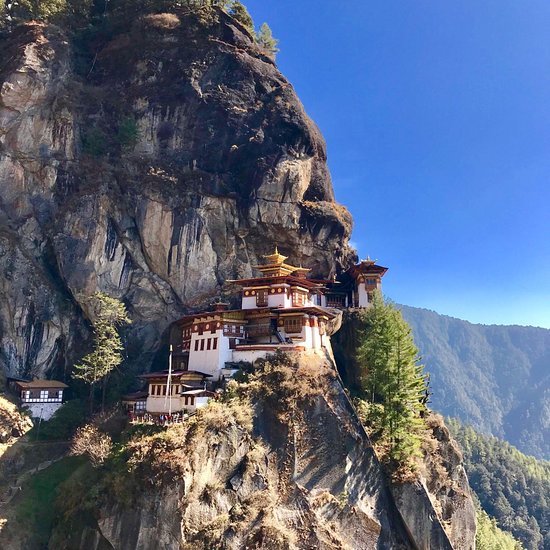
- Day 2: Hike to Taktsang (Tiger’s Nest) and return to Paro.
- Day 3: Drive to Thimphu, visit Memorial Chorten, Takin Reserve and local markets; overnight Thimphu.
- Day 4: Depart or add a half-day cultural visit if flight times allow.
This quick loop gives you iconic views and a taste of Bhutanese culture but leaves little time for slow exploration or venturing beyond the main valleys.
Comfortable discovery: 6–7 days
The most balanced option for first-time visitors who want to see key sites without rushing.
- Day 1: Arrive Paro, gentle walk in the valley.
- Day 2: Hike to Tiger’s Nest and relax in Paro.
- Day 3: Drive to Thimphu, visit dzong, crafts school and local markets.
- Day 4: Thimphu to Punakha via Dochula Pass; explore Punakha Dzong and riverside walks.
- Day 5: Short local hikes or visit suspension bridges and villages around Punakha.
- Day 6: Return to Paro with stops en route; last-minute shopping and departure the next day.
Seven days gives you breathing space, a festival chance if dates match, and a relaxed tempo to absorb local life.
In-depth and active: 8–12 days
Choose this if you want off-the-beaten-path valleys, cultural immersion and trekking opportunities.
- Start in Paro and Thimphu as above, then continue to Punakha.
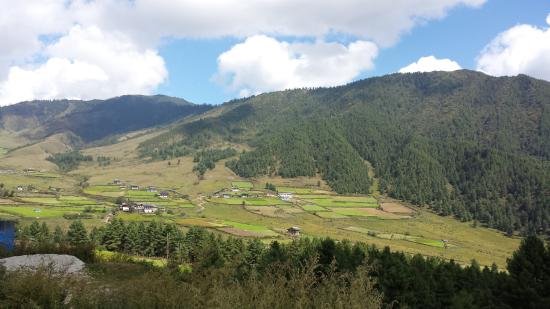
- Spend extra days exploring Phobjikha Valley (black-necked crane habitat), Laya and Lunana regions, or head east toward Mongar and Bumthang for distinct cultural landscapes.
- Include an overnight farmhouse stay, guided multi-day treks or slow travel through small villages.
Longer itineraries reward you with lesser-known monasteries, meetings with artisans and time for sustainable travel experiences.
Sample itineraries
4-day sample: Paro—Thimphu quick loop
- Day 1: Arrive Paro; visit Rinpung Dzong and the national museum.
- Day 2: Tiger’s Nest hike (start early) and afternoon at leisure.
- Day 3: Drive to Thimphu, visit Memorial Chorten, Tashichho Dzong and crafts bazaar.
- Day 4: Morning in Thimphu, depart via Paro or directly from Paro depending on flight.
7-day sample: Classic Bhutan
- Day 1: Arrive Paro; explore the town.
- Day 2: Hike to Tiger’s Nest; evening drive to Thimphu.
- Day 3: Thimphu city tour and crafts visits.
- Day 4: Thimphu to Punakha via Dochula Pass; short hikes.
- Day 5: Explore Punakha and surrounding rice terraces.
- Day 6: Option to visit Phobjikha Valley or return via scenic routes to Paro.
- Day 7: Final shopping and departure.
10-day sample: Culture, wildlife and a short trek
- Days 1–3: Paro and Thimphu highlights, Tiger’s Nest.
- Days 4–6: Punakha and Phobjikha Valley—nature walks and crane-watching (seasonal).
- Days 7–9: Travel to central Bhutan (Bumthang) or choose a guided 2–3 day trek for panoramic Himalayan views and remote villages.
- Day 10: Return to Paro for departure.
Best time to visit
Spring (March–May) and autumn (September–November) are widely regarded as the best months for clear skies, festival season and comfortable trekking. Winter brings crisp days and fewer tourists but colder nights. Summer months can be wet—roads and trails may be affected—though valleys remain green and quieter.
Making the most of limited time
- Prioritise: Decide on must-sees (e.g., Tiger’s Nest) and be prepared to skip lower-priority stops if time is tight.
- Start early: Mountain hikes and drives are easier with an early start—less traffic, better light and cooler temperatures.
- Use local guides: They save time and add cultural context that you won’t get from guidebooks alone.
- Allow buffer time: Flight delays or slow roads are common; a day or half-day cushion prevents stress.
Tip: If you can, add one extra day beyond your minimum plan. That single day often turns a “good” trip into a memorable one.
Conclusion
There’s no single answer to "How many days are enough for a Bhutan holiday?"—it depends on your interests and tempo. For a taste of highlights, 4–5 days work. For a comfortable, well-rounded visit, plan 6–8 days. For cultural depth, wildlife, and trekking, 9–12 days or more will reward you. Whatever the length, travel mindfully: Bhutan’s strengths lie in its quiet moments, friendly encounters and the unhurried beauty of the Himalaya.