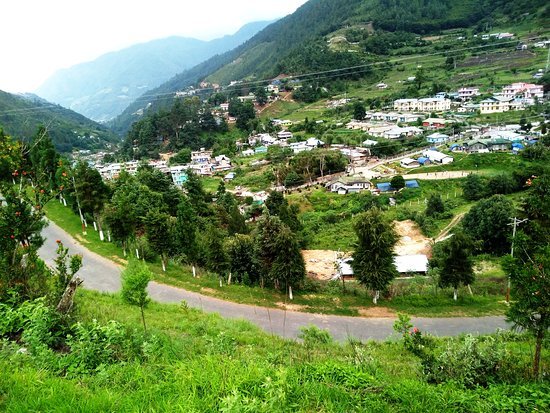
Homestays in Meghalaya: What to Expect and How to Choose One
Planning a homestay in Meghalaya? Learn what to expect—from home comforts, food and facilities to cultural etiquette, seasonality and practical booking tips—to choose the right homestay for your trip.
By TravMe Holidays travel team · · Updated · 7 min read
Meghalaya’s lush hills, living root bridges and warm-hearted communities make homestays one of the most rewarding ways to experience the state. Staying with a local family offers insight into Khasi, Garo and Jaintia life, home-cooked meals, and easy access to hidden trails and viewpoints that guidebooks miss. This guide explains what to expect in a Meghalaya homestay and how to pick the right one for your trip.
Why choose a homestay in Meghalaya?
Homestays are more than budget accommodation: they are cultural exchanges. A stay with a host family can give you:
- Authentic local cuisine and the chance to learn cooking traditions.
- First-hand insights into local customs, festivals and folklore.
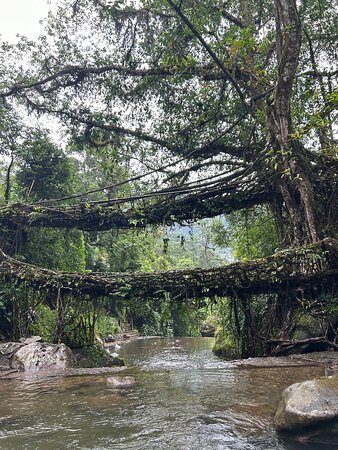
- Guided access to community-run attractions such as living root bridges and village forests.
- Support for the local economy—many homestays are family-run or community enterprises.
Types of homestays you’ll find
Homestays in Meghalaya range from simple village rooms to comfortable modern homes. Common types include:
- Traditional village homes: Often constructed with wood, bamboo or local stone; basic amenities but a deeply local experience.
- Family-run guest rooms: Partial modernization—concrete rooms with private bathrooms but a homely atmosphere.
- Community homestays: Run by village councils or cooperatives, especially around tourist spots like Mawlynnong or Tyrna; these focus on sustainable tourism and cultural exchange.
- Upgraded homestays: For travellers who want local flavour with more creature comforts—hot water, western toilets and steady power.
Facilities and amenities: what to expect
Many homestays aim for comfort, but you should expect variation in facilities depending on location and price.
- Rooms: Often simple, clean and furnished with local textiles. Bedding may be warm quilts or blankets; in some rural homes, you may find mosquito nets and wooden furniture.
- Bathrooms: Both western and squat-style toilets exist. In more remote villages, shared bathrooms or outdoor shower areas are common. Always confirm the bathroom type if this is important to you.
- Hot water: Not guaranteed in remote homestays. Many places offer hot water on request or during set times; ask before arrival.
- Electricity and connectivity: Power supply can be intermittent in hill areas, especially during heavy rains. Many hosts have backup inverters or solar lights. Mobile network coverage varies—some valleys have good coverage, others may be patchy.
- Heating: Meghalaya is naturally cool; heating is rarely provided. Warm quilts and hot water bottles are commonly used during colder months.
- Food: Home-cooked meals feature prominently—expect local ingredients, rice, pork, fish and vegetable specialties. Hosts will usually serve breakfast, lunch and dinner; special dietary requests are often accommodated if communicated in advance.
Food and dining: what you will eat
Meghalaya’s cuisine reflects Khasi, Garo and Jaintia traditions, with an emphasis on rice, meats and forest produce.
- Expect rice as the staple, accompanied by meats such as pork, chicken or fish, and seasonal vegetable dishes.
- Traditional preparations such as dohneiiong (pork with black sesame) and jadoh (rice cooked with meat) may be offered in many homes.
- Fermented and preserved foods, bamboo shoot preparations and local greens are common.
- If you have dietary restrictions—vegetarian, vegan or food allergies—inform your host before arrival. Most families will accommodate simple changes, but options in remote areas can be limited.
Choosing the right homestay: a practical checklist
Use this checklist to pick a homestay that matches your needs.
- Location: Do you want a village experience (Mawlynnong, Cherrapunji outskirts) or hill-station convenience (Shillong)? Consider road access and proximity to attractions.
- Facilities: Confirm bathroom type, hot water availability, electricity backup and whether meals are included.
- Accessibility: If you have mobility concerns, check for steep steps, uneven floors and the distance from the road.
- Language and host interaction: English is widely spoken, but some families mainly converse in Khasi or Garo. Decide how much interaction you want—some hosts offer guided walks and cooking sessions, others prefer privacy.
- Reviews and recommendations: Read recent guest reviews for cleanliness, hospitality and reliability. Local tourism offices and community websites can suggest verified homestays.
- Safety and comfort: Ask about security, mosquito protection and first-aid availability. If you are travelling during monsoon, confirm that the homestay has contingency plans for heavy rain.
- Transport and transfers: Check whether the host offers pick-up/drop services from the nearest town or whether you need your own vehicle.
- Price inclusions: Clarify whether meals, taxes and local guide fees are included.
Best regions for homestays and what they offer
Each part of Meghalaya has its own personality; choose a base that aligns with your interests.
- Shillong and outskirts: Good for first-time visitors who want a balance of comfort and culture; easy access to markets, cafes and short day trips.
- Cherrapunji (Sohra) and Mawsynram: Ideal for monsoon landscapes, waterfalls and living root bridges; expect heavy rainfall and mossy trails.
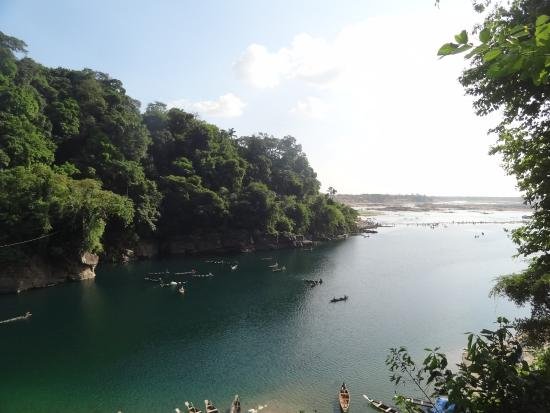
- Mawlynnong and Dawki: Community-run homestays near clean village landscapes and the clear Umngot River—excellent for cultural experiences and nature walks.
- Jaintia Hills: Cave systems and tribal villages; homestays here offer rustic charm and easy access to spelunking sites.
- Garo Hills: Different cultural ambience—explore village life, folk music and forested trekking routes.
Seasonality: when to go
Season affects both the experience and the practicalities of homestay travel.
- Post-monsoon and winter (October–March): Cooler, clearer skies and pleasant trekking conditions. Nights can be chilly; bring warm clothing.
- Pre-monsoon (April–May): Warm days and lush landscapes; a good window before heavy rains begin.
- Monsoon (June–September): Dramatic waterfalls and vivid greenery—however landslides, roadblocks and persistent rain can disrupt travel. If you plan a monsoon homestay, choose a host familiar with local weather contingencies.
Cultural etiquette and tips for respectful stays
Being mindful of local customs will enrich your homestay experience and show respect for host communities.
- Greet hosts warmly and remove footwear when entering homes if that is the household custom.
- Ask before taking photographs of people or sacred sites.
- Dress modestly, particularly in village areas and near religious sites.
- Gift small tokens from your hometown or essential items rather than expensive presents; a gesture of appreciation goes a long way.
- Be clear about alcohol and smoking rules—some households and villages may prohibit them for cultural or religious reasons.
Health, safety and practical precautions
Take sensible precautions to keep your trip smooth and enjoyable.
- Carry a basic medical kit, personal medications and antiseptics. Consult your doctor about routine vaccinations and health advice before travelling.
- Use mosquito repellent and consider a mosquito net if you are sensitive—valleys and river areas can have many insects, especially at dusk.
- Keep emergency contact numbers and the host’s directions to the nearest town or clinic.
- Travel insurance is recommended, particularly if you plan trekking or remote exploration.
Packing checklist for a Meghalaya homestay
- Lightweight rain jacket and waterproof footwear—roads and trails can be wet and muddy.
- Warm layers, a fleece or sweater and a scarf or beanie for cool nights.
- Personal toiletries, quick-dry towel and biodegradable soap.
- Flashlight/headlamp and spare batteries or power bank for limited electricity periods.
- Insect repellent, sunscreen and a small first-aid kit.
- Copies of booking confirmations, directions and any medical prescriptions.
Booking tips and who to contact
To find the right homestay:
- Use reputable booking platforms and read recent reviews—look for comments on cleanliness, hospitality and communication.
- Contact hosts directly if you need specific arrangements (transport pickup, dietary needs, arrival time). Direct communication often clarifies expectations on both sides.
- Consider community tourism portals and local travel desks—these often list verified family-run homestays and community enterprises in village clusters.
- Book well ahead for festival periods and peak season, and confirm check-in times due to limited transport options in some villages.
Staying in a Meghalaya homestay is about connection—expect simplicity, warmth and stories. Prepare practically, be respectful, and you’ll leave with memories and friendships that outlast the photographs.
Conclusion: A homestay in Meghalaya can transform a standard itinerary into a heartfelt travel experience. With a little preparation—checking facilities, communicating needs, understanding local etiquette and packing appropriately—you’ll be ready to enjoy unrivalled hospitality, local flavours and the kind of cultural exchange that defines travel in the Northeast. Whether you pick a rustic village house near a living root bridge or a comfortable family stay near Shillong, choose a homestay that aligns with your comfort level and travel goals, and let the people of Meghalaya show you their home.