Getting Around Ladakh: Cabs, Bikes and Local Transport Explained
A practical guide to moving around Ladakh by hired cabs, rental bikes, shared taxis and local transport, with permit tips, safety advice and route recommendations for a smooth high-altitude trip.
By TravMe travel team · · 6 min read
Ladakh’s stark landscapes, high passes and remote valleys mean getting around is part of the adventure. Whether you prefer the comfort of a cab, the freedom of a motorcycle or the camaraderie of shared taxis, knowing what to expect will save time, money and stress on your Himalayan trip.
Transport overview: what to expect in Ladakh
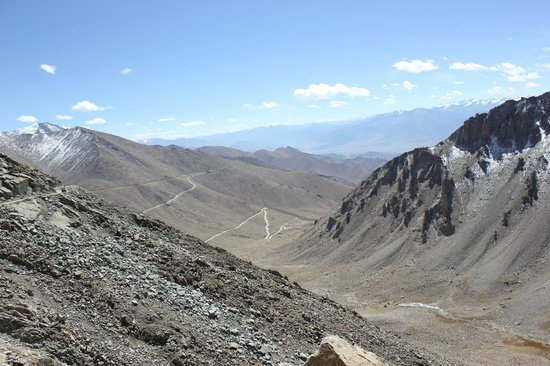
The road network in Ladakh links a few key hubs—Leh, Kargil, Nubra, Pangong, and Tso Moriri—via mountain passes and single-lane sections. Distances that look short on a map take longer because of altitude, winding roads and variable conditions. Fuel stations, repair shops and mobile coverage are sparse outside Leh, so planning and self-reliance are essential.
Hiring cabs in Ladakh
Types of cabs and vehicles
Cabs range from small sedans to SUVs and tempo travellers. SUVs (including 4x4s) are the most practical for rough roads and river crossings; tempo travellers or Tata Sumo-type vehicles are common for group travel. For families or groups, a larger vehicle provides better comfort at altitude.
Booking and reliability
Book through reputable operators or your hotel in Leh to ensure licensed drivers familiar with high-altitude driving and local routes. In peak season (June–September), book early: demand surges and vehicles fill up quickly. Ask about driver experience, rest breaks and contingency plans for vehicle breakdowns.
Driver etiquette and tips
- Drivers often double as local guides—ask about stops, photography spots and the safest routes.
- Agree fares upfront or get a written estimate. Clarify whether tolls, permits and fuel are included.
- Tip modestly for good service; drivers generally appreciate Rs 200–500 a day depending on service and trip duration.
Practical considerations
Carry cash: remote areas may not accept cards. Check the vehicle for spare tyre, jack, toolkit and basic first-aid kit. Prefer vehicles with good suspension and higher ground clearance for pass crossings such as Chang La or Tanglang La.
Riding bikes in Ladakh
Why choose a motorcycle?
Motorcycling is iconic in Ladakh: it offers flexibility, intimacy with the landscape and easier parking. Popular choices are Royal Enfield Bullets and Himalayan-style bikes. Bikes are suitable for solo travellers and couples who prioritise freedom and low-speed scenery.
Rental options and paperwork
Rent from established rental shops in Leh rather than street vendors. Verify bike condition (tyres, brakes, clutch), mileage, and check lights. Expect to sign a rental agreement and produce ID. Some shops may ask for a security deposit or retain your passport—insist on receipts and copies instead.
Self-ride vs pillion
Only experienced riders should self-ride at high altitude; thin air affects concentration and stamina. Pillion riders should be comfortable with slow-speed manoeuvres and frequent stoppages. If you are unsure, consider hiring a bike with a driver-guide for safety and local knowledge.
Maintenance and spares
- Carry basic spares: tubes, puncture repair kit, chain lube, clutch cable and a multi-tool.
- Service intervals matter: change oil and check brakes before heading out of Leh.
- Fuel: fill up whenever you can. Fuel stations are available in Leh and a few spots en route; don’t gamble on long stretches without petrol.
Riding tips and safety
- Acclimatise in Leh for at least 24–48 hours before starting long rides.
- Ride at moderate speeds; give yourself extra time to reach passes and towns.
- Dress in layers, use a full-face helmet, and carry rain and wind protection.
- Avoid night riding—visibility and emergency response are limited.
Shared taxis and local buses
Shared taxis (sumos and SUVs)
Shared taxis are a budget-friendly option on common routes like Leh–Nubra (via Khardung La) and Leh–Pangong. They depart when full, so schedules are flexible but unpredictable. Shared vehicles are often cramped and prioritise speed over comfort, but they’re a good way to meet other travellers and split costs.
Local buses
State and private buses run fewer routes and are much slower, but they are the cheapest way to travel. Buses are less frequent and may not serve remote tourist spots directly. Expect long journeys, basic seating and variable punctuality.
How to find shared rides
- Ask at Leh bus stand, tourist offices or travel agencies for shared taxi departures.
- Hostels and guesthouses often maintain noticeboards for travellers seeking ride partners.
- Be flexible: departure times depend on passenger demand and road conditions.
Getting around within Leh and towns
Walking and short trips
Leh and other towns are compact; walking is the best way to explore markets, monasteries and cafes. Take it slow due to altitude, and drink plenty of water.
Auto-rickshaws and local taxis
Leh has passenger cars, auto-rickshaws or e-rickshaws in some areas. Fares can be negotiable—ask at the outset. For short trips within town, these are practical and inexpensive.
Bicycle and e-bike hires
Cycling in Leh is possible for short, low-lying routes, especially for acclimatised riders. E-bikes are increasingly available for flat town rides and are eco-friendly options for local sightseeing.
Permits, regulations and documents
Most travellers entering Ladakh (Leh district) need an Inner Line Permit (ILP) or Protected Area Permit—these are often issued at Leh entry points, tourist offices or online. Separate permits are required for certain border areas and military zones such as Pangong and Nubra; check up-to-date requirements before you travel.
Documents to carry
- Photocopies of passport/ID and ILP/permits.
- Driver’s licence (original) and vehicle registration papers for self-riders.
- Permits for entering restricted zones—keep digital and physical copies.
Safety, health and high-altitude advice
Altitude sickness is real. Allow time to acclimatise, avoid heavy exertion on arrival and stay hydrated. Recognise symptoms—headache, nausea, fatigue—and descend to lower altitudes if they worsen. Carry basic medicines for altitude, motion sickness and common ailments, and share your itinerary with friends or family.
Road safety and best practices
- Avoid driving at night; animals and landslides are hazards, and help is limited after dark.
- Watch for army convoys and follow instructions at checkpoints.
- Respect weather-related closures: passes may be closed suddenly in poor visibility or snow.
Practical packing checklist for transport
- Valid ID, permits and photocopies.
- Cash in small denominations and a power bank for phones and GPS.
- Warm, windproof clothing and waterproof outer layer for sudden weather changes.
- Basic tool kit, puncture repair kit and torch for motorbikers.
- Snacks, water, and electrolyte sachets for long journeys between towns.
Tip: If fuel is low in your vehicle, refill at the next available pump—even if it’s expensive. Running out of fuel in high-altitude, remote terrain can turn a small problem into a serious one.
Environmental and cultural considerations
Ladakh’s fragile ecosystem needs our care. Avoid littering, minimise single-use plastics, and follow local guidelines around monasteries and villages. Respect local customs: dress modestly at religious sites, ask before photographing people, and support locally run homestays and shops where possible.
Choosing the right transport for your trip
Match your priorities to the mode: choose cabs for comfort and ease, bikes for freedom and quiet exploration, and shared taxis or buses for budget travel and meeting fellow explorers. For first-time visitors or those sensitive to altitude, a relaxed paced cab itinerary with acclimatisation days is often the safest choice.
Getting around Ladakh is about balancing adventure and caution. With preparation, respect for local rules and a flexible attitude, travel between the moonscape valleys and high passes becomes one of the most memorable parts of your Himalayan journey.
Conclusion: Whether you hire a cab, ride a bike or hop into a shared taxi, the road is your companion in Ladakh. Plan permits and fuel, prioritise acclimatisation and safety, and you’ll be rewarded with some of India’s most spectacular vistas and unforgettable travel stories.