Getting Around Bhutan: Private Cabs, Mountain Roads and Driving Times
A practical guide to getting around Bhutan: how private cabs work, what to expect on mountain roads, typical driving times between key towns, and safety, seasonal and permit considerations for travellers.
By TravMe travel team · · 7 min read
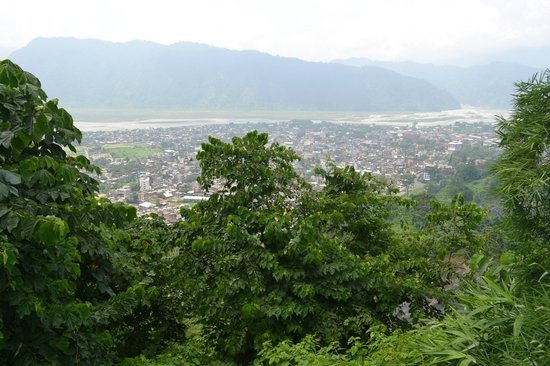
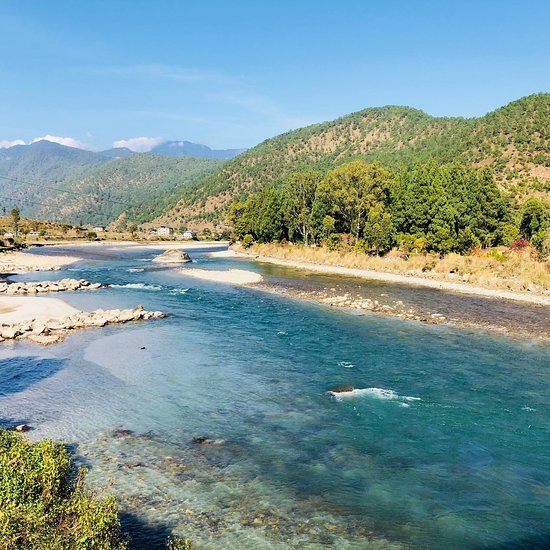
Bhutan’s dramatic landscape—deep river valleys, high mountain passes and winding roads—makes travel within the kingdom an unforgettable part of any trip. Whether you want the comfort of a private cab, the flexibility to stop for photos, or a realistic sense of how long journeys take, this guide helps you plan travel between major towns, understand road conditions and make safe, informed choices.
Why travel by private cab is the most practical option
Bhutan’s tourism model emphasises curated experiences handled by licensed operators. Practically all foreign tourists travel with a booked itinerary from a licensed Bhutanese tour operator. As part of that package you will typically get a private vehicle and a licensed driver, and often a guide. There are a few key reasons why private cabs are the preferred mode of getting around:
- Local knowledge: Drivers know road conditions, best viewpoints, places to stop for food and fuel, and the etiquette at dzongs, monasteries and villages.
- Safety: Mountain driving in Bhutan requires experience—drivers are trained in navigating narrow roads, hairpin bends and sudden weather changes.
- Convenience: Vehicles booked through operators are insured and maintained; operators handle permits, park entries and lodging logistics.
Can you self-drive in Bhutan?
Self-driving by foreign tourists is not common and is generally discouraged. While some short-term driving permissions may be possible for residents or long-stay visitors with the right licences, international tourists usually do not self-drive. Tour operators prefer to provide drivers as part of the package for reasons of safety, permits and local regulations. If you feel strongly about driving yourself, discuss it with your tour operator well before travel; expect additional paperwork and restrictions.
Types of vehicles and what to choose
Most private cabs in Bhutan are sturdy SUVs or 4x4s with high ground clearance—essential for mountain roads and occasional rough patches. For small groups or couples you might be given a comfortable SUV; larger groups travel in minibuses.
- SUV/4x4: Best for comfort and stability on steep grades and at higher elevations.
- Minibus: Good for groups of 8–14 but less nimble on narrow stretches.
- Smaller cars: Rare and not recommended for long passes or during winter/monsoon.
Understanding Bhutan’s mountain roads
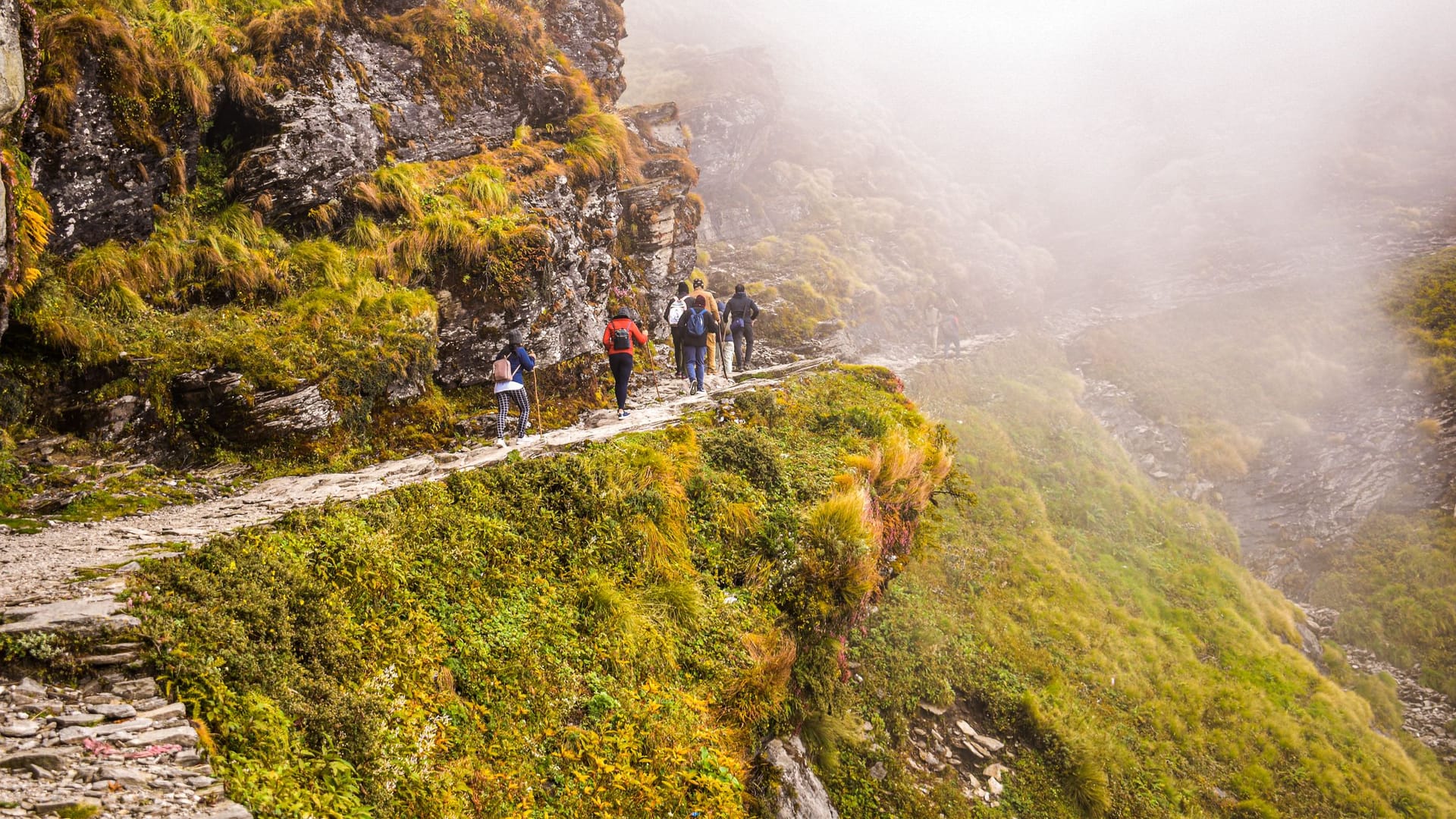
Bhutan’s road network connects the main towns but seldom resembles the broad highways of plains countries. Expect the following:
- Narrow lanes and hairpins: Many stretches have single-lane sections with frequent hairpin turns).
- Altitude shifts: You may start in a subtropical valley and climb to high passes within a few hours; weather and visibility can change fast.
- Poor surfaces in places: While main routes are regularly maintained, secondary roads can have potholes, gravel and occasional landslide debris.
- Construction and checkpoints: Roadworks are common and can cause delays. Police and local checkpoints are routine for permits and safety.
Typical driving times between key destinations
Driving times in Bhutan depend heavily on road conditions, weather, traffic and stops. Here are realistic ranges you can use for planning. These include reasonable time for short stops but not long sightseeing detours.
- Phuentsholing (border) to Thimphu: Expect most of a day—mountain roads and border formalities mean typically half a day to a full day of travel.
- Thimphu to Paro: Short and scenic—usually a little over an hour to around one-and-a-half hours.
- Thimphu to Punakha: About two to three hours, depending on traffic and stops at the Dochula Pass viewpoints.
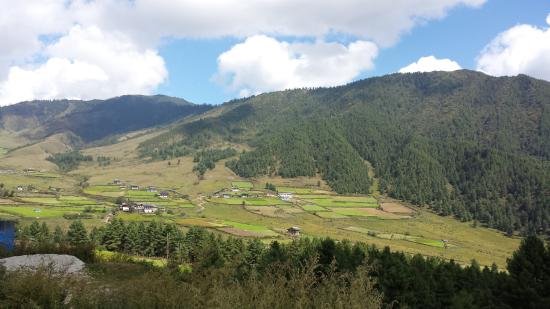
- Punakha to Phobjikha (Gangtey): Often two to three hours; the valley roads are winding but accessible.
- Punakha to Trongsa (gateway to central Bhutan/Bumthang): This is a longer journey; allow a half to a full day depending on your route and road works.
- Trongsa to Bumthang: Expect a half-day of mountain driving with narrow stretches and steep sections.
- Bumthang to Mongar: A long cross-country drive—many travellers take most of a day across high passes and remote sections.
- Mongar to Trashigang: Several hours; roads are winding and you should plan for unexpected delays.
These ranges are conservative: always consult your driver and guide for a day’s realistic plan. In Bhutan, the journey often matters as much as the destination.
Seasonal impacts on driving
Seasonality has a big effect on road travel in Bhutan:
- Monsoon (summer): Heavy rains (typically June–September) bring landslides and road washouts. Expect delays, occasional route changes and the need for flexible schedules.
- Autumn and Spring: Often the best times for travel—clearer skies and more predictable roads, making driving smoother and safer.
- Winter: High passes can receive snow and occasional closures. Lower valleys remain accessible but cold; always check conditions for high-altitude crossings.
Safety tips for mountain driving in Bhutan
Whether you’re a passenger or planning to seek special permission to drive, these practical tips make journeys easier and safer:
- Travel with experienced drivers: Local drivers know tricky stretches and seasonal hazards.
- Start early: Begin long drives in the morning to avoid afternoon fog or rain and give buffer time for stops.
- Seat belts and luggage: Always wear seat belts if provided. Keep luggage secured; in SUVs, roof racks may be used for larger groups.
- Respect local rules: Yield to uphill vehicles on narrow stretches, and follow instructions from road workers and police.
- Hydration and acclimatisation: For high passes, keep water and move slowly that first day if you’ve come from much lower altitude.
- Emergency kit: Ensure the vehicle has basic first-aid, a charged phone and sufficient water and blankets—your operator typically provides these.
Permits, insurance and paperwork
Practicalities are usually handled by your tour operator, but it helps to know what’s involved:
- Tourist visa and permits: Foreign tourists travel on a visa and a pre-approved itinerary arranged by licensed Bhutanese operators. Entry permits for certain regions are also arranged as part of the tour.
- Vehicle permits: Vehicles used to carry tourists are licensed; drivers and guides have the necessary documents. If any unusual travel is planned (e.g., off-the-beaten routes), confirm permits in advance.
- Insurance: Confirm that passenger and vehicle insurance are included. This is normally part of the organised package.
Costs and booking tips
Costs for private cabs are usually bundled into daily tour rates quoted by licensed operators. If you need independent transfers (for example, an extra drop-off or pick-up), operators can arrange private taxis with transparent day or trip-based rates. A few tips:
- Book transfers and inter-city travel through your main operator to avoid confusion with permits and logistics.
- Ask about vehicle type and driver experience—especially for high-altitude sections and long drives.
- For add-on day trips, confirm pick-up times and likely return times considering mountain driving speeds.
Practical on-road needs: fuel, food and map apps
Fuel stations exist in major towns but can be sparse in remote districts. It’s normal practice to refuel at main towns before heading into longer stretches. Your driver will plan refuelling stops.
- Food and toilets: Small roadside eateries and town restaurants are available en route; carry snacks on longer legs.
- Maps and connectivity: Mobile coverage is patchy in the highlands. Use offline maps and carry printed directions or confirm routes with your driver.
Enjoying the journey: viewpoints and sensible stops
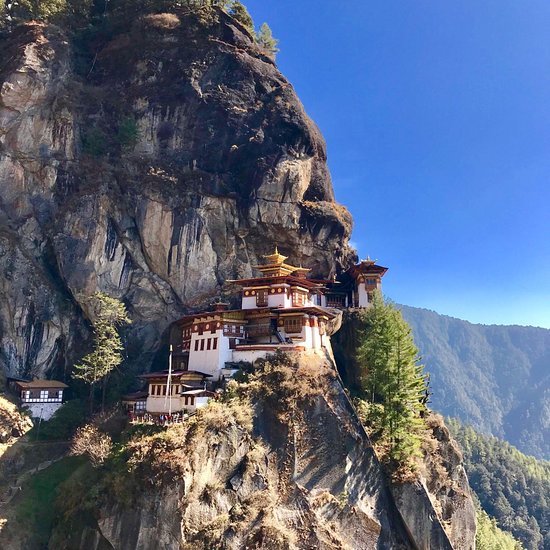
One of the pleasures of travelling in Bhutan is the frequent scenic pull-outs, monasteries perched on cliffs and village markets. Ask your guide/driver to stop for:
- Sunrise or sunset views at passes such as Dochula (if on the route).
- Local markets and simple eateries for authentic flavours and interaction with locals.
- Short nature walks in protected valleys like Phobjikha, where wildlife and landscapes are accessible without long treks.
Tip: Plan realistic daily distances. In Bhutan, covering fewer kilometres often brings richer experiences—allow time to breathe and absorb the culture and scenery.
Final checklist for travellers
- Book through a licensed Bhutanese tour operator; confirm vehicle type and driver credentials.
- Pack layers, water, basic medication and a charged power bank for long drives.
- Confirm seasonal road conditions before travel—expect delays during monsoon and winter.
- Carry copies of your itinerary, permits and emergency contact details provided by your operator.
Getting around Bhutan is more than point A to B travel; it’s part of the cultural experience. With experienced drivers, sensible planning and a flexible approach to timing, you’ll enjoy safe, memorable journeys through some of the most dramatic landscapes in the Himalaya.
Conclusion: Choose private cabs booked via licensed operators for convenience, safety and compliance with local regulations. Factor in mountain road conditions and seasonal variables when planning driving times, and allow extra time to savour the landscapes and cultural stops that make Bhutan travel so special.