Flying into Paro: What to Know About Bhutan's International Airport
Practical guide to arriving at Paro Airport, Bhutan’s only international airport — approach, visas and permits, transfers, customs, baggage and tips to make your arrival smooth and memorable.
By TravMe Holidays travel team · · Updated · 6 min read
Flying into Paro is more than a transit point — it’s the cinematic opening scene to a journey through a kingdom of monasteries, deep valleys and honey-hued dzongs. Paro International Airport is Bhutan’s primary air gateway and, because of its dramatic location, arriving here feels like an arrival into a different rhythm of life. This guide explains what to expect on landing, how to prepare, and the practicalities that make Paro unique.
The airport and its setting
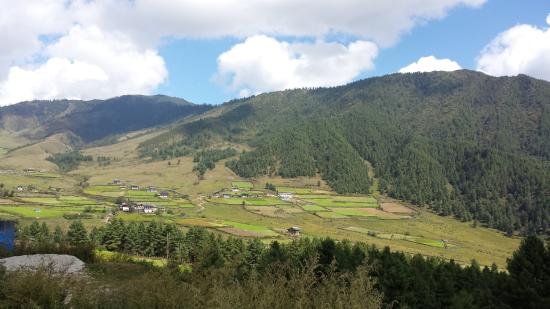
Paro Airport (PBH) sits in a narrow valley surrounded by Himalayan peaks. The runway and terminal are compact; facilities are basic but efficient. You will see the airport framed by terraced fields, prayer flags and mountain ridgelines — a reminder that this is a gateway to a country that prioritises environmental and cultural preservation over large-scale tourism infrastructure.
Why the approach is special
The approach to Paro is famously dramatic: pilots must navigate a valley and line up for a short runway flanked by rising terrain. For safety reasons only a limited number of pilots are certified to operate there, and flights are scheduled to respect daylight and weather conditions. If you are a lover of aerial scenery, plan to have your camera ready for views of terraced slopes, traditional villages and, on clear days, snow-capped peaks.
Before you fly: entry requirements and documentation
Bhutan’s entry system is controlled and designed to manage visitor numbers responsibly. Most international travellers require a visa or visa clearance arranged in advance through a licensed Bhutanese tour operator or international travel agent. Your tour operator will handle the visa clearance process with the Tourism Council of Bhutan and provide a visa clearance letter necessary for boarding your flight to Bhutan.
Indian nationals and neighbouring countries
Entry rules differ for citizens of India and some neighbouring countries. Indian nationals generally have more flexible entry arrangements but still need the correct identification and often an entry permit issued at the border or immigration checkpoint. Always confirm the exact documents required with your tour operator well before departure.
What to carry
- Passport (with the necessary visa clearance or documents provided by your operator) or valid photo ID for eligible nationals.
- Printed copy of your visa clearance letter, flight itinerary and hotel confirmation.
- Travel insurance details and emergency contact information.
Arrival procedures at Paro Airport
Expect a straightforward arrival process. The terminal is small, so queues rarely feel overwhelming, but processing times depend on flight arrivals. There will be immigration and customs checks; your tour operator will typically meet you at the arrivals area and help with luggage and transfers.
Customs and restricted items
Bhutan places importance on protecting its environment and culture, so certain items are regulated or prohibited. Declare any large sums of currency or restricted goods. Avoid bringing endangered-sourced products, unprocessed plant material, meat or other items that may be subject to quarantine. If you have any doubt, ask your tour operator in advance to avoid fines or confiscation.
Practical travel notes: luggage, flights and unpredictability
Because Paro is served mostly by regional jets and turboprops, airlines often have strict weight and baggage restrictions. Check your airline’s baggage policy before you pack. Soft-sided luggage is helpful — it’s easier to manage in small airport settings and on mountain roads.
Flights and weather
Flights to Paro can be delayed or cancelled due to mountain weather and visibility. Schedules are typically concentrated in the daytime when conditions are safest. Allow buffer days in your itinerary for possible disruptions and keep your tour operator’s emergency contact handy. Travel insurance that covers flight cancellations and medical evacuation is strongly recommended.
Transfers from Paro: getting to Thimphu and beyond
Thimphu, Bhutan’s capital, is about a two-hour drive from Paro on a well-maintained mountain road. Your tour operator will arrange pickups and transfers; private vehicles or shared transfers are common. Roads can be winding and slower than distance suggests, so travel times vary with weather and traffic.
Public transport and taxis
Public transport options are limited. Independent travellers should coordinate with local contacts or expect to rely on taxis or pre-arranged transfer services. It’s customary, and often necessary, to have transport organised in advance.
Money matters, connectivity and facilities
The Bhutanese ngultrum is the local currency and is pegged to the Indian rupee; Indian rupees are widely accepted in practice. Credit card acceptance is growing in urban hotels and restaurants but cash remains important, especially in smaller towns and for incidentals. There are limited ATMs near Paro; confirm availability with your operator.
Connectivity and services
Mobile coverage and Wi-Fi are available in towns but can be patchy in rural areas. The airport has basic facilities: an arrivals hall, small duty-free or souvenir stalls and tourist information. Do not expect extensive foodcourts or lounges like larger international hubs; plan accordingly if you have long waits.
Health, altitude and safety
Paro sits at a moderate altitude; while most travellers acclimatise easily, take common-sense precautions: stay hydrated, avoid excessive exertion on your first day and inform your operator if you have respiratory or cardiovascular conditions. Medical facilities in Bhutan are improving, but serious medical evacuations may require transport to larger centres.
Safety during the approach
The approach is perfectly safe under certified pilots and scheduled operations, but it is sensitive to weather. Cabin crew and flight crew will brief you on safety procedures — follow their instructions. Expect a dramatic touchdown and a sense of great relief and excitement as the plane settles into the short runway.
Tip: Keep essential items — medications, travel documents, a light jacket and a camera — in your carry-on. If flights are disrupted due to weather, you’ll want quick access to necessities while you wait.
What to do if your flight is delayed or cancelled
Delays are most often weather-related. If a flight is cancelled, work with your tour operator and airline to rebook. Have flexible hotel arrangements or a contingency plan. Most operators are experienced in handling such situations and will arrange alternative lodging or transport when needed.
First impressions: what to see near Paro
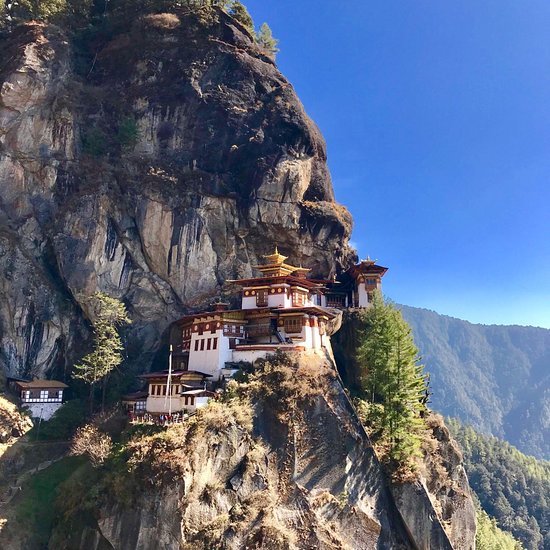
If your schedule allows, spend time exploring Paro Valley before heading to Thimphu. Highlights include the National Museum housed in an old watchtower (Paro Ta Dzong), the town’s traditional streets, and the impressive Paro Dzong. For many visitors the trek to Taktsang (Tiger’s Nest) monastery is an iconic day’s outing from Paro.
Packing checklist for arrival
- Passport/ID and visa clearance documents
- Travel insurance and emergency contacts
- Layered clothing for mountain weather
- Medications and a small first-aid kit
- Cash in ngultrum or Indian rupees for small purchases
- Camera with extra batteries or powerbank
Final tips for a smooth arrival
- Coordinate closely with a licensed Bhutanese tour operator — they handle visas, transfers and many arrival formalities.
- Allow flexible time in your itinerary for weather-related changes.
- Respect customs and local rules about photography of certain sites or government buildings.
- Keep your documents accessible and follow guidance from immigration and customs officers.
Paro Airport is as much a part of the Bhutan experience as the monasteries and festivals you’ll visit afterwards. With a little planning and the right expectations — respectful of Bhutan’s policies and attentive to mountain travel realities — your arrival at Paro can be a serene and memorable start to a journey through a unique Himalayan kingdom.
Safe travels, and enjoy the first glimpses of Bhutan from the valley of Paro.