Dress Code for Visiting Dzongs and Monasteries in Bhutan
A practical guide to the respectful dress code for visiting dzongs and monasteries in Bhutan, covering traditional attire, modesty rules, footwear, photography etiquette and tips for festivals and rituals.
By TravMe Holidays travel team · · Updated · 5 min read
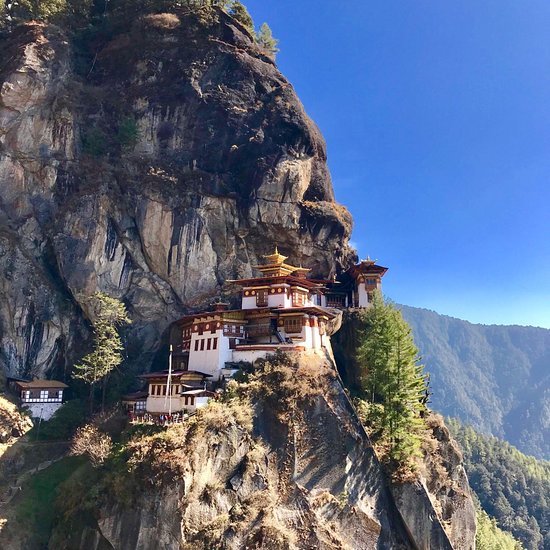
Visiting Bhutan's dzongs and monasteries is a journey into living Buddhist culture, where architecture, prayer and community life blend seamlessly. Dressing appropriately is a sign of respect and enhances your experience — this guide explains what to wear, what to avoid and how to prepare for ceremonies and festivals.
Why dress code matters in Bhutan
Dzongs (fortress-monasteries) and temples are both religious centres and community hubs. For Bhutanese, these are places of worship, study and social gathering. Appropriate dress shows reverence for sacred spaces and the people who maintain them. Beyond respect, dressing thoughtfully helps you blend in, keeps you comfortable during long walks and ensures you can participate in rituals when invited.
General principles to follow
- Modesty: Cover shoulders, chest and knees. Aim for conservative, non-revealing clothing.
- Neatness and cleanliness: Clothes should be clean and presentable; avoid torn or dirty garments.
- Subdued colours: Bright fluorescents and loud prints can be distracting; choose muted or earthy tones when possible.
- Comfort and layering: Bhutan’s climate varies with altitude. Layered clothing helps you adapt in dzongs that are cool inside.
- Follow local cues: When in doubt, observe locals and follow the lead of guides or monastery staff.
Traditional Bhutanese dress
Bhutan has an official dress code for citizens — men wear the gho and women wear the kira — especially in government offices and some formal settings. Tourists are not required to wear traditional dress, but you will be warmly received if you do for festivals or special visits.
Wearing traditional attire as a visitor
- If you wish to wear a gho or kira, ask your guide or a local tailor about correct draping and etiquette.
- Traditional dress is excellent for festivals (tshechus) as it helps you participate respectfully and may grant better access to certain areas.
- Be mindful of fabric quality and colours; avoid wearing sacred patterns or robes meant for clergy.
Specific guidelines for men
Men should aim for a neat, conservative appearance that does not draw undue attention.
- Tops: Long-sleeved shirts or polos are ideal. Avoid sleeveless vests or low necklines.
- Bottoms: Trousers (chinos or smart jeans) are acceptable. Ensure they cover the knees while seated or kneeling.
- Traditional option: Wearing a gho is welcomed at dzongs and festivals; learn how to wear it properly or ask for assistance.
Specific guidelines for women
Women should prioritise modesty and comfort, especially because some rituals require sitting or kneeling on the floor.
- Tops: Blouses or shirts with sleeves are preferred. If wearing a short-sleeved or sleeveless top, carry a light scarf or shawl to cover shoulders.
- Bottoms: Long skirts, trousers or modest dresses that reach the knee or below are suitable. Avoid tight or clingy fabrics.
- Traditional option: A kira (long ankle-length dress) is highly appropriate and shows cultural sensitivity.
Footwear, headwear and entering sacred spaces
Managing footwear and head coverings is key to respectful behaviour inside dzongs and temples.
- Footwear: Many monasteries require you to remove shoes before entering inner sanctums. Wear shoes that are easy to take off and slip on, and consider socks that are clean and hole-free.
- Headwear: Remove hats and caps when inside prayer halls. For women, avoid covering the face; a simple scarf may be used to cover shoulders but should not obstruct the face.
- Sitting: Sit cross-legged or with feet tucked away; never point your feet toward altars or images of the Buddha.
Accessories, jewellery and tattoos
Simplify accessories to avoid distracting from the spiritual setting.
- Keep jewellery minimal. Loud or jangling pieces can be distracting during prayers and ceremonies.
- Large religious symbols from other faiths are best left at home to avoid unintended disrespect.
- Tattoos: While tattoos are increasingly common, visible tattoos depicting images that may offend local religious sensibilities should be covered if possible.
Children and teens: modelling good behaviour
Children should be dressed modestly and taught basic etiquette before visiting sacred sites.
- Ensure children wear clothing that covers shoulders and knees.
- Bring spare layers and comfortable shoes for restless kids — walking and waiting are part of the experience.
- Explain simple rules beforehand: no running, keep voices low, and follow adult guidance on where to sit or stand.
Special situations: festivals, ceremonies and monk interactions
Tshechus and other ceremonies are peak times to witness Bhutanese spiritual life. Dress thoughtfully and act with deference.
- Festivals: Traditional dress is appreciated; if not wearing it, dress modestly and avoid flashy attire. Be prepared for large crowds and limited seating comfort.
- Ceremonies and blessings: If invited to receive a blessing, follow your guide’s instructions. Often you will be asked to kneel or sit and to keep hands folded.
- Monks: Maintain respectful distance unless a monk indicates you may approach. Avoid physical contact that could be misconstrued.
Photography and conduct around sacred images
Photographing dzongs and monasteries is tempting, but observe rules and sensitivities.
- Always ask permission before photographing people, especially monks, elders and devotees.
- Many inner sanctums prohibit photography entirely. Look for signage and follow staff instructions.
- Avoid photographing prayer wheels and people performing private rituals without consent.
Packing checklist for visits to dzongs and monasteries
- Lightweight scarf or shawl for covering shoulders
- Long-sleeved shirts and one warm layer for cool interiors
- Long trousers or long skirts/dresses
- Comfortable slip-on shoes and clean socks
- Optional: Business-casual outfit or traditional kira/gho if you plan to attend formal events
- Small bag to carry shoes when removed and keep valuables secure
Practical tips from local guides
- If you’re unsure what to wear, ask your tour guide ahead of time — they know local customs and can advise on specific monasteries.
- When visiting multiple sites in a day, carry a compact shawl and layer to adapt quickly between outdoor sun and cool interiors.
- Respect seating assignments and gendered areas in some monasteries; guides will point these out.
Tip: A modest, well-layered wardrobe and a respectful attitude will open doors — and smiles — at Bhutan’s sacred sites.
Dressing appropriately when visiting dzongs and monasteries in Bhutan is less about strict rules and more about showing respect, humility and curiosity. By choosing modest, comfortable clothing, following local cues and preparing for the climate, you’ll be welcome in these remarkable spaces and able to focus on the spiritual and cultural richness they offer.
Enjoy your journey through Bhutan’s spiritual heartlands — dress thoughtfully, move quietly and take in the architecture, rituals and warm hospitality with an open mind.