Crossing the India-Bhutan Border at Jaigaon: A Step-by-Step Guide
Practical, step-by-step guidance for crossing from Jaigaon (India) into Phuentsholing (Bhutan), covering documents, permits, transport, customs, money, local tips and onward travel options for a smooth border crossing.
By TravMe Holidays travel team · · Updated · 7 min read
Crossing from Jaigaon in West Bengal into Phuentsholing in Bhutan is one of the most accessible and rewarding frontier experiences for travellers in South Asia. The two towns function as a single economic and social zone, yet stepping across the boundary brings you into a distinct culture, administrative system and pace of life. This guide explains what to expect, the documents and permits you need, practical tips for transport and money, and how to continue your journey into Bhutan.
Quick overview: Jaigaon and Phuentsholing
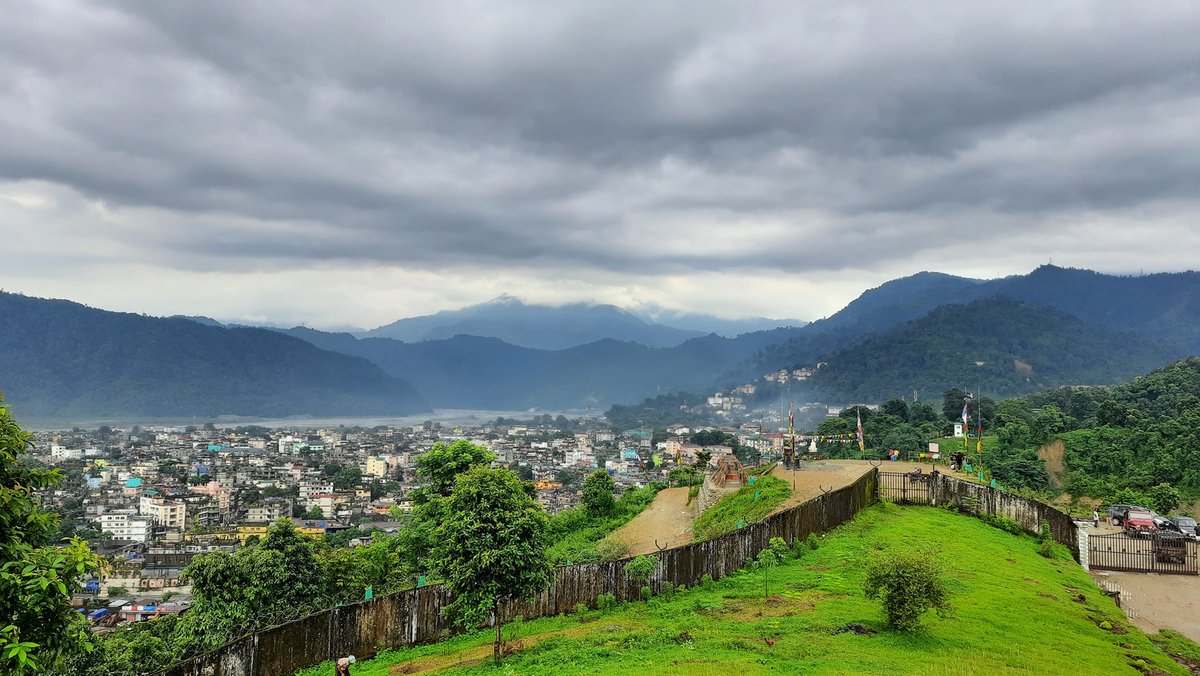
Jaigaon is the Indian border town that backs onto Phuentsholing, Bhutan’s commercial gateway. Most visitors enter Bhutan here because road access is straightforward from Indian transport hubs such as Siliguri and New Jalpaiguri. The actual crossing is compact — you move from a bustling Indian market area into Bhutan’s controlled immigration and customs zone at the Bhutan Gate near the border.
Who can cross and what permits are required?
Before you travel, check the latest entry rules with official sources, but these general points are important to know:
- Indian and Bangladeshi nationals: Typically can enter Bhutan without a visa but must obtain an entry permit at the immigration office in Phuentsholing. Acceptable ID usually includes a passport or national identity card; carry originals and copies.
- Other foreign nationals: Usually require a visa prior to arrival, issued by a Royal Bhutanese Embassy or through a licensed tour operator. Once the visa is in place, an entry permit is typically issued at Phuentsholing.
- Minors and family travel: Children must carry their own identity documents. If travelling without one or both parents, carry supporting letters or clearances to avoid delays.
Step-by-step: Crossing from Jaigaon to Phuentsholing
Follow these steps for a smooth border crossing. Allow extra time during peak hours and public holidays.
1. Arrive in Jaigaon
- Reach Jaigaon by bus, private taxi or shared vehicle. The town has a lively market area where you can pick up last-minute supplies.
- Keep your ID documents, passport-size photocopies and any confirmation of Bhutan visa or permit handy.
2. Reach the Bhutan Gate / Immigration Complex
- Walk or take a short local ride to the Bhutan Gate, the official entry point into Phuentsholing. Follow signs or ask locals; it is well known and busy.
- There are separate counters and lanes for pedestrians and vehicles; follow the appropriate queue.
3. Present documents and apply for entry permit
- At the immigration counter in Phuentsholing you will be asked to present ID (passport or national ID) and complete basic entry formalities. Indian nationals usually obtain a permit on the spot. Foreign nationals will present pre-issued Bhutan visa documents along with passport.
- Officials may ask for your intended itinerary and address of stay in Bhutan; if you have hotel or guesthouse bookings, keep confirmation ready.
4. Baggage and customs checks
- Be prepared for a customs check. Declare restricted or dutiable items honestly. Certain goods such as large quantities of tobacco, alcohol or commercial items may be restricted or taxed.
- If you are carrying electronics, antiques or wildlife products, be ready to show proof of purchase or permits where applicable.
5. Receive your permit and complete formalities
- Once the paperwork is verified, you will receive an entry permit. Keep this on you—it may be required at checkpoints further into the country.
- For those planning to drive private vehicles across, vehicle permits and temporary import paperwork are a separate process; check vehicle rules ahead of time with Bhutanese authorities.
6. Enter Phuentsholing
- After formalities, you proceed into Phuentsholing. The change in ambience is noticeable: cleaner streets, Bhutanese signage and a quieter pace.
- Look for tourist information counters or ask at the immigration office if you need directions to hotels, onward travel or permits for other parts of Bhutan.
Transport and onward travel from Phuentsholing
Phuentsholing is a staging point for travel deeper into Bhutan. Here are common onward options:
- Private taxi: Readily available for onward trips to Thimphu, Paro and beyond. These rides are longer but flexible if you have luggage or want stops en route.
- Shared cabs / buses: Less expensive than private taxis; schedules can vary. Shared options may require waiting for enough passengers.
- Domestic flights: Flights into Paro are available from Paro Airport, but you’ll generally need to travel by road from Phuentsholing to Thimphu/Paro if flying onwards.
Money, SIM cards and practicalities
Plan these practical matters in advance so your first hours in Bhutan are comfortable.
- Currency: The Bhutanese Ngultrum (BTN) is the official currency and is pegged to the Indian Rupee (INR). Indian Rupees are widely accepted in border towns; however, carry small denomination notes and some local currency for convenience. Credit cards are accepted at larger hotels and shops but cash is still commonly used.
- ATMs: Available in Phuentsholing, but do not rely solely on them. Inform your bank about international travel to avoid card blocks.
- SIM cards and connectivity: Bhutanese mobile SIMs require identity verification and the permit; buy one at official vendors in Phuentsholing if you need local data and calls. Roaming on Indian networks may be limited.
- Language: Dzongkha is Bhutan’s official language. English is widely spoken in tourism and official contexts, and Nepali is common near border regions.
Customs, prohibited items and cultural etiquette
Respect local laws and customs to ensure a hassle-free stay.
- Restricted/prohibited items: Declare items that may be restricted, such as certain plants, wildlife products, or large quantities of tobacco and alcohol. If in doubt, ask at the customs counter.
- Cultural sensitivity: Dress modestly at religious sites, ask before photographing people or monasteries, and follow instructions at dzongs and temples.
- Environment: Bhutan places a high value on conservation. Avoid littering, respect wildlife, and follow local guidance on waste disposal and trekking routes.
Tip: Keep photocopies and scanned copies of all travel documents in your email or cloud storage—this speeds up replacement if originals are misplaced.
Timings, crowds and planning tips
Some practical points to reduce friction and wait times:
- Check the operating hours of the Phuentsholing immigration office before you travel; hours can vary by season and official directives.
- Avoid crossing during major Bhutanese or Indian festivals unless your plans are flexible, as immigration counters and transport services can be busier than usual.
- If you plan to travel to higher-altitude places like Thimphu or Paro immediately, factor in extra time between border arrival and onward departures.
Where to stay in Phuentsholing
Phuentsholing has options ranging from simple guesthouses to comfortable hotels. Many travellers choose to stay a night to finalise permits, recharge, and prepare for the road to central Bhutan. If you plan to continue to Thimphu or Paro the same day, check travel times and road conditions, and confirm taxi availability in advance.
Common issues and how to handle them
Here are a few scenarios travellers commonly face and how to resolve them:
- Document discrepancies: If an official asks for different ID, remain calm and request clarification. Contact your embassy/consulate or local authorities if you need assistance.
- Delayed permits: If permit issuance is slow, ask for expected processing time and whether you can wait in an adjacent area. Keep copies of receipts or acknowledgement slips.
- Health or altitude concerns: If you are continuing to higher altitudes, acclimatise gradually and carry any necessary medication. Seek local medical help if you feel unwell.
Final checklist before you cross
- Original ID (passport or national identity card) plus photocopies
- Visa documentation (if applicable) or proof of pre-clearance
- Hotel or itinerary confirmation for Bhutan
- Sufficient cash in small denominations and a functioning travel card
- Emergency contacts and travel insurance details
- Any required permits for vehicles, special equipment or restricted items
Conclusion
Crossing the India–Bhutan border at Jaigaon into Phuentsholing is straightforward when you arrive prepared. Keep your identity documents ready, be aware of permit and customs procedures, and plan transport and accommodation in advance. With basic preparation and respectful behaviour, you’ll move smoothly from the busy Indian market scene into Bhutan’s serene mountain welcome, ready to explore the kingdom beyond.