Common Mistakes to Avoid When Planning a Kashmir Trip
Planning a Kashmir trip? Avoid common mistakes like poor timing, underestimating travel times, ignoring weather and permits, and neglecting local customs. Practical tips to plan a smoother, safer, and more enjoyable Kashmir holiday.
By TravMe Holidays travel team · · Updated · 7 min read
Kashmir is one of India’s most enchanting destinations — from the saffron-tinged mornings of Srinagar to the high-altitude meadows of Gulmarg and the alpine serenity of Pahalgam. But its spectacular beauty comes with planning nuances that many travellers overlook. Avoiding a few common mistakes can make the difference between a magical holiday and a stressful one.
1. Choosing the Wrong Time to Visit
One of the biggest mistakes travellers make is visiting Kashmir without considering seasonal variations. Each season offers a distinct experience, and the choice should match your expectations.
Summer (April to June)
Ideal for valley views, gardens and houseboats. Temperatures are pleasant, but popular spots like Dal Lake, Mughal gardens and Pahalgam can get crowded during peak holiday weeks.
Monsoon and Early Autumn (July to September)
Monsoon brings fewer tourists but also risks of landslides and slippery roads in hill sections. Late summer to early autumn offers lush landscapes and slightly cooler weather, but always check local forecasts.
Winter (December to February)
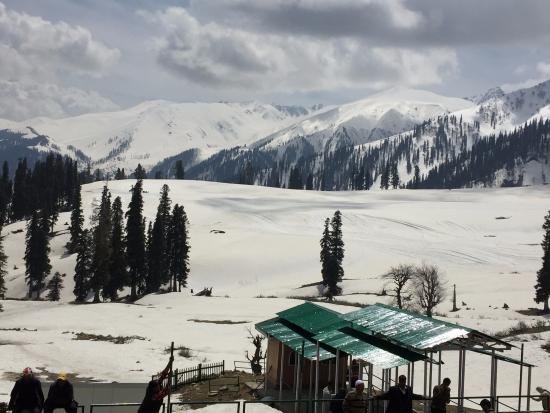
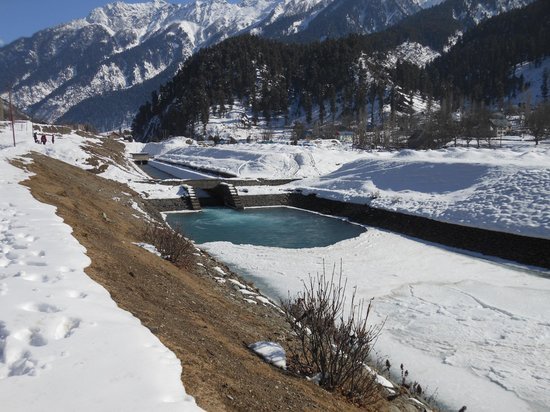
Perfect for snow lovers and winter sports in Gulmarg. Winter travel requires careful planning because heavy snowfall can disrupt road and air connectivity.
Tip: Avoid planning tightly timed connections during October–March unless you’re prepared for delays due to snow or fog. Expect contingencies and build buffer days into your itinerary.
2. Underestimating Travel Times and Geography
Kashmir’s roads are scenic but often winding and slower than plains driving. Distances that look short on a map can take substantially longer on the ground.
- Don’t schedule back-to-back early morning departures for different towns without accounting for traffic and road conditions.
- Factor in time for multiple halts, tea stops, and photo breaks — they are part of the experience here.
- Road closures due to weather or maintenance are common; always have a plan B.
3. Booking Flights and Accommodation at the Last Minute
Peak seasons and festivals drive demand for flights and hotels. Last-minute bookings often lead to limited choices and higher rates.
- Book core components — flights and at least your first two nights’ accommodation — well in advance.
- If you are staying in houseboats or popular resorts, early booking is critical because they have limited capacities.
4. Not Checking Local Travel Advisories and Permits
Certain areas in Jammu & Kashmir, particularly border-adjacent zones and high-altitude passes, require permits or may be restricted. Failing to check local advisories can lead to denied entry or safety risks.
- Confirm whether the specific valleys, meadows or passes in your plan require permits and how to obtain them.
- Keep photocopies or digital copies of identity documents and any necessary permits while travelling.
5. Ignoring Weather Preparedness
Weather in Kashmir can change rapidly — sun, rain and snow are all possibilities depending on the season. Being unprepared affects comfort and safety.
- Carry layered clothing: base layers, a warm mid-layer and a waterproof outer layer.
- Pack appropriate footwear for wet and uneven terrain; good grip and ankle support matter.
- Keep basic rain protection handy even in summer; sudden showers are common in the hills.
6. Overpacking or Underpacking
Both overpacking and underpacking are common. Overpacking makes intra-valley transfers cumbersome; underpacking leaves you without essentials at times when shops may be far.
- Carry a daypack for excursions and a main bag for hotel-to-hotel transfers.
- Essentials to never forget: warm hat, gloves (in winter), sturdy walking shoes, sunscreen, sunglasses, personal medication, and a basic first-aid kit.
- Bring copies of prescriptions for any medicines you need; pharmacies are limited outside major towns.
7. Not Respecting Local Customs and Community Life
Kashmiri society is warm and hospitable, but mindful behaviour enhances your experience and promotes positive interactions.
- Dress modestly when visiting villages or religious sites.
- Always ask before photographing people, especially in rural areas.
- Support local businesses and artisans — Kashmiri crafts and food are part of the cultural experience.
8. Eating Without Caution
Kashmiri cuisine is rich and tempting, but travellers unfamiliar with local spices and preparations should take it easy at first.
- Start with mild items and gradually try richer dishes. Avoid untrusted roadside food if you have a sensitive stomach.
- Carry ORS packets and basic antacids, particularly if you are prone to traveller’s diarrhoea or are trying new foods.
- Hydrate often; hill climates can be dehydrating even when temperatures feel cool.
9. Ignoring Altitude and Health Concerns
Some popular Kashmiri destinations sit at higher elevations. Know the signs of altitude sickness and pace your activities accordingly.
- Allow a day to acclimatise when ascending to higher meadows or passes.
- Recognise symptoms like persistent headache, nausea, dizziness or shortness of breath; descend if symptoms worsen.
- Consult your doctor before travel if you have cardiac or respiratory conditions.
10. Poor Itinerary Planning: Trying to See Too Much
Attempting to cram many places into a short trip is a common mistake that leads to fatigue and missed experiences.
- Prioritise 2–3 key areas (for example: Srinagar, Gulmarg, and Pahalgam) rather than a checklist of every destination.
- Build in relaxed days: a slow day on a houseboat or a gentle walk in a meadow often becomes the highlight.
11. Not Preparing for Connectivity and Cash Needs
Mobile and internet connectivity can be patchy in remote areas. ATMs and card acceptance may be limited outside main towns.
- Carry sufficient cash for small shops, taxis and markets in remote areas.
- Download offline maps and keep physical directions for remote stays.
- Inform family about limited connectivity so they know to expect delays in communication.
12. Choosing the Wrong Transport Option for Your Style
Whether to travel by road or take a flight depends on your priorities. Flights save time but can be more susceptible to weather cancellations; road travel offers scenic value but is lengthier.
- If you value time and can handle occasional flight delays, flying to Srinagar is efficient.
- If you want to soak in landscapes and stop en route, road travel from Jammu or other nearby regions is rewarding.
- Consider private transfers for flexibility; shared taxis are economical but less predictable.
Practical Checklist to Avoid Mistakes
- Research the season and plan accordingly; decide if you want snow, flowers or mild weather.
- Book flights and key stays early, especially houseboats and popular resorts.
- Allow buffer days for delays and acclimatisation.
- Check for any permits or local restrictions for the areas you plan to visit.
- Pack layers, sturdy footwear and a basic medical kit. Carry photocopies of ID and permits.
- Keep cash and download offline resources (maps, contacts, guide notes).
- Respect local customs, ask before photographing, and support small local businesses.
Remember: slowing down is part of the Kashmir experience. The valley rewards travellers who allow time to breathe, explore and connect.
Sample 5–7 Day Itinerary (Balanced Pace)
This is an indicative plan that avoids common pitfalls like overpacking activities and tight connections.
- Day 1: Arrive Srinagar, check into a houseboat or hotel, evening shikara ride on Dal Lake.
- Day 2: Srinagar — Mughal gardens, local markets, relaxed evening.
- Day 3: Drive to Gulmarg, check in, gentle walk or gondola ride (if operating).
- Day 4: Gulmarg — optional skiing/walking or meadow time, leisure evening.
- Day 5: Drive to Pahalgam, stop en route at scenic points, light hikes.
- Day 6: Pahalgam — visit Betaab Valley and local meadows, slow day with options to trek.
- Day 7: Return to Srinagar and depart; keep your departure flexible to allow for travel delays.
Final Tips for a Smooth Trip
Use local guides for specialised treks or remote excursions — their knowledge of routes and weather can be invaluable. Buy travel insurance that covers delays and medical evacuation for high-altitude activities. Keep expectations realistic: in Kashmir, the journey and the people often matter as much as the destinations.
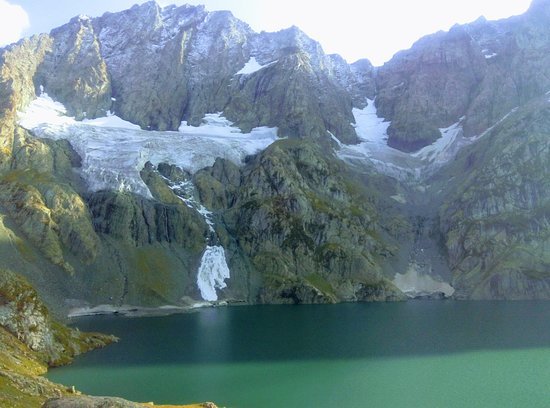
With thoughtful planning, respect for local ways of life, and a readiness to adapt, your Kashmir trip can be an unforgettable experience. Avoid the common mistakes outlined above, and you’ll be left with memories of serene lakes, snow-dusted peaks and warm Kashmiri hospitality.
Conclusion: Kashmir rewards travellers who prepare patiently and travel respectfully. Plan around the season, respect local rules, pack smartly, and allow time to soak in the valley’s atmosphere rather than racing to tick boxes. That approach turns a good trip into a great one.