Camping at Pangong Lake: What to Expect From Lakeside Stays
Camping at Pangong Lake is a stunning high-altitude experience — expect dramatic colours, cold nights, simple to luxury tents, acclimatisation needs, and strict eco and permit rules for a safe, memorable stay.
By TravMe Holidays travel team · · Updated · 8 min read
Pangong Lake is one of the most photographed and loved destinations in Ladakh. Camping on its shores offers a rare chance to sleep under a vast, high-altitude sky with ice-blue water lapping nearby. But lakeside stays here are very different from lowland camping: you’ll encounter extreme weather, important permit rules, limited facilities and unforgettable natural beauty. This guide explains what to expect so your Pangong camping trip is safe, comfortable and respectful of the fragile environment.
Where on Pangong to Camp
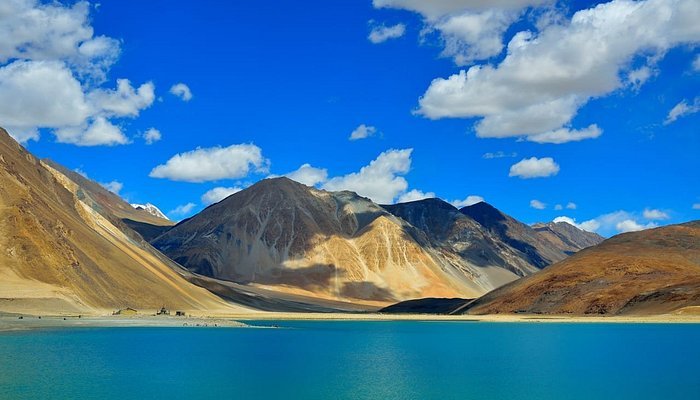
Pangong Tso is a long, narrow saltwater lake stretching from Ladakh into Tibet. In Indian-controlled Ladakh the most common camp areas are near the villages of Spangmik, Merak and Gurgurdo on the southern shore. Each location has its pros:
- Spangmik – the busiest and most developed stretch; many established camps, easy access, popular sunrise and sunset viewpoints.
- Merak and Gurgurdo – quieter, closer to local Pangong communities; better for solitude and photography away from crowds.
- Further west – more remote lakeside spots where fewer camps operate; expect basic facilities and a true wilderness feel.
When to Go
Pangong is a seasonal camping destination. The window for camping typically runs from late May to mid-September when roads are open and camps operate. Outside this window the lake freezes and extreme cold makes lakeside camping impractical for most operators.
- Peak season – June to August: warmer days, lots of tourists, and many camp options. Book ahead for the best tents.
- Shoulder season – late May and September: fewer crowds, cooler nights; some camps scale down services.
Altitude and Acclimatisation
Pangong Lake sits at about 4,350 metres above sea level. Altitude sickness (acute mountain sickness) is the primary health risk. Proper acclimatisation is essential.
- Spend at least 1–2 nights in Leh (3,500 m) before heading to Pangong. Avoid strenuous activity on your first day in Leh.
- Recognise symptoms: headache, nausea, dizziness, shortness of breath, disrupted sleep. If symptoms are severe, descend immediately and seek medical help.
- Stay hydrated, eat light carbohydrate-rich meals, and avoid alcohol or sedatives before and during the first days at altitude.
Getting There: Roads and Travel Time
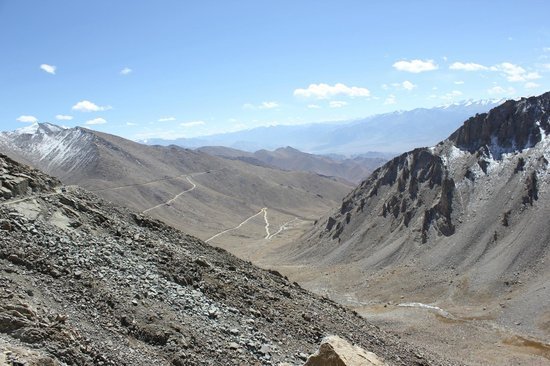
You can reach Pangong from Leh via the Leh–Changla–Pangong route or from the east by the southern shore route. Expect long drives; road surfaces can be rough, and weather or military movements may cause temporary closures.
- Travel time from Leh to Pangong is typically 4–6 hours depending on conditions and stops.
- Road conditions vary: stretches of paved highway near Leh, but many sections near the lake are gravel or dirt; a sturdy vehicle with a confident driver is recommended.
Types of Camps and Facilities
Camps at Pangong range from basic budget tents to fully serviced luxury glamping. Know what to expect in each category so your choice matches your comfort level.
Budget/Basic Camps
- Simple canvas tents on raised platforms or directly on the ground.
- Shared or basic toilets (pit or portable toilets), limited hot water availability.
- Blankets and basic bedding provided, but bring your own thermals and a sleeping bag for extra warmth.
- Meals are usually simple, home-style Ladakhi food served in a common dining tent.
Mid-range Camps
- Better insulated tents, sometimes with attached washrooms and Western-style toilets.
- Hot water available at set times; thicker mattresses and better bedding supplied.
- Communal dining with a broader menu and optional bonfires (where permitted).
Luxury/Glamping
- Spacious, well-insulated tents with private attached bathrooms and geysers for hot water.
- High-quality mattresses, linens and heaters; attentive service and curated meals.
- Often positioned to maximise views with dedicated sunset/sunrise spots and photography assistance.
What Facilities Are Likely — and What Aren’t
Even at high-end camps, expect constraints due to remoteness. Do not assume grid electricity, fast Wi-Fi, or medical facilities nearby.
- Electricity: many camps use generators or solar power; charging may be limited and subject to schedules.
- Water: limited freshwater supply; camps manage water carefully. Refill bottles at camp only if treated.
- Medical care: first-aid kits are usually available, but for serious conditions you’ll need transfer to Leh hospital. Carry your own medicines and altitude-safe prescriptions if required.
Permits, Rules and Safety
Pangong lies in a sensitive border region. Permits and movement rules apply, and security checks are routine.
- Inner Line Permit (ILP) – required to visit many parts of Ladakh including Pangong; obtain through the District Administration’s e-permit system or designated counters. Carry valid ID and a printed or digital permit during travel.
- Follow camp and local authority instructions on where you may walk; some areas near the border are restricted.
- Check local weather and road advisories before leaving Leh; travel early in daylight to avoid being on rough roads at night.
Packing Checklist
Pack for cold nights, strong sun and variable conditions. Prioritise layers and practical items rather than fashion.
- Warm, packed-down jacket (insulated/down), fleece layers, thermal innerwear
- Windproof shell and rain layer; even in summer wind chill can be severe
- Sturdy hiking shoes or ankle boots, warm socks, gaiters (optional)
- Hat, gloves, and a buff or scarf; sunglasses (UV protection) and high-SPF sunscreen
- Reusable water bottle with filter or purification tablets; hydration is crucial
- Personal medications, basic first-aid kit, Diamox only if prescribed for AMS prevention
- Headlamp/torch with spare batteries, power bank for limited charging opportunities
- Camera gear and tripod for night sky and sunrise photography; spare memory cards and batteries
- Toiletries and biodegradable soap; toilet paper and hand sanitiser as many camps have limited supplies
Food, Water and Hygiene
Most camps provide two or three meals — hearty, carbohydrate-rich food that suits altitude travel. Expect simple menus featuring rice, noodles, soups, dal, vegetables, eggs and local breads.
- Drink only boiled or treated water provided by your camp, or use your own purification method.
- Carry snacks like energy bars, dry fruits and chocolates for day trips.
- Practice hygiene and waste separation; use toilets rather than rivers or lakes, and follow camp instructions for waste disposal.
Activities and Experiences
Camping at Pangong offers more than a place to sleep. With the right planning you can enjoy a range of memorable activities.
- Sunrise and sunset — dramatic colour changes on the lake surface are best at these hours; head out early or stay late.
- Photography — wide-angle lenses and neutral density filters are useful; carry a tripod for long-exposures and night sky shots.
- Stargazing — exceptional in clear weather due to low light pollution; warm clothing and a thermos are must-haves.
- Short walks — gentle walks along the lakeshore; avoid long treks immediately after arrival due to altitude.
- Local interactions — visit nearby hamlets respectfully to learn about nomadic life and cultural practices.
Tip: Carry small change for local purchases, avoid single-use plastics and ask your camp how they handle waste — choose eco-conscious operators when possible.
Environmental and Cultural Responsibility
Pangong’s fragile high-altitude ecosystem and traditional communities are vulnerable to tourism impacts. Responsible behaviour preserves this landscape for future visitors and the people who live here.
- Do not litter: carry out what you carry in. Ask your camp about recycling and waste disposal policies.
- Avoid disturbing wildlife and birds — maintain distance and never feed animals.
- Respect local customs and the privacy of villagers. Ask permission before photographing people, homes or livestock.
- Stay only in designated campsites and avoid driving on fragile shorelines or grasslands.
Booking Tips and Budgeting
Decide what kind of camping experience you want and book accordingly. During peak season good camps fill up fast.
- Book in advance if you prefer a specific camp or luxury amenities; last-minute walk-ins work better in shoulder season if availability is limited.
- Check cancellation and contingency policies: weather or security situations can force changes to plans.
- Compare what’s included in the package: meals, transfers, permits assistance, bedding and hot water schedules.
Photography and Memories
Pangong is relentlessly photogenic. To get the best images, aim for soft light at dawn and dusk, use a tripod for long exposures, and experiment with reflections in the shallows.
- White balance: the lake’s hues can fool automatic settings — shoot RAW if possible to adjust later.
- Bring lens cleaning gear: dust and wind are common and can affect clarity.
- Respect other guests and locals when composing shots; avoid blocking views or driving to sensitive spots just for a photo.
Final Safety Reminders
- Monitor your health closely at altitude and don’t push yourself physically after arrival.
- Carry contact details of your camp manager and Leh emergency services; let someone know your travel plan and return time.
- Follow instructions from camp staff and local authorities regarding restricted areas and bonfires — rules are there for safety and conservation.
Camping at Pangong Lake is an extraordinary experience that rewards careful planning and respectful travel. Expect vivid skies, cold nights, simple comforts and a profound sense of remoteness. With the right preparation — acclimatising properly, packing warm layers, choosing a camp that matches your needs and following permit and environmental rules — your lakeside stay will be one of the most memorable parts of a Ladakh itinerary.
Conclusion
Whether you choose a cosy luxury tent with private facilities or a basic canvas shelter under the stars, the magic of Pangong comes from its landscape: vast water, ever-changing light and a silent, high-altitude sky. Prepare for cold, respect the rules, and you’ll carry home pictures and memories that last a lifetime.