Bomdila to Tawang via Sela Pass: What to Expect on the Road
A practical, traveller-friendly guide for the Bomdila–Tawang road via Sela Pass: what to expect on altitude, road conditions, permits, stops, safety tips and packing for a smooth journey.
By TravMe Holidays travel team · · Updated · 6 min read
The drive from Bomdila to Tawang via Sela Pass is one of India’s most scenic — and demanding — high-altitude road journeys. Expect dramatic mountain vistas, sharp weather swings, military checkpoints, and a route that tests both vehicle and traveller. This guide helps you prepare practically: when to travel, what to carry, how to acclimatise and where to stop en route.
Overview of the Route
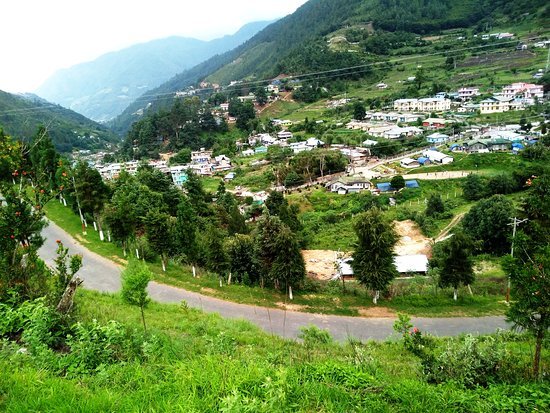
The Bomdila–Tawang road climbs from Bomdila (approx. 2,400 m) up to Sela Pass (around 4,168 m) before descending to Tawang (approx. 3,048 m). The distance is roughly 160–180 km depending on the route and local diversions; travel time varies from 6–10 hours depending on road conditions and stops. The road winds through dense pine forests, stark alpine meadows and stark, rocky passes that often have snow for much of the year.
When to Travel
Timing matters more here than for many other Indian hill trips. The best window is late April to early October, when Sela Pass is generally open and the risk of heavy snowfall is lower. Monsoon months (July–September) can bring landslides and slippery stretches, particularly below Bomdila and on certain forested slopes. From late October through March the pass may be closed or require snow chains and convoy arrangements; winter travel is possible but only with experienced drivers and a readiness for closures and extreme cold.
Permits and Checkpoints
Both domestic tourists and foreign nationals must check permit requirements before entering Tawang and surrounding border areas. Indian citizens require an Inner Line Permit (ILP) for Arunachal Pradesh, typically available online or at state permit offices. Foreign nationals need Protected Area Permits (PAP) or relevant restricted area permissions — these are processed through government-authorised tour operators and can take longer.
Expect multiple military and police checkpoints along the route, especially near Sela Pass and around Tawang, due to proximity to the international border. Carry original ID, printed permit copies and vehicle documents ready. Officers may inspect luggage; cooperate patiently and allow extra time.
Road Conditions and Driving Challenges
Road surfaces vary from well-paved stretches to rough, narrow, single-lane sections. Key challenges include:
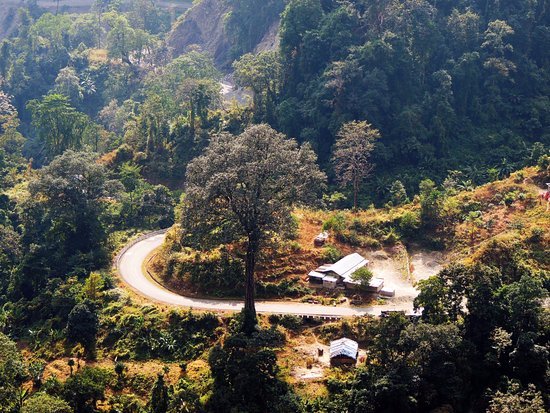
- Narrow hairpins: Sharp turns with steep drop-offs in some places, requiring cautious, low-speed driving.
- Landslide-prone zones: After heavy rains or thaw, some stretches may be blocked or restricted to convoy movement.
- Snow and ice: In shoulder seasons (spring and autumn) you may still encounter snow patches; winter travel needs chains and local guidance.
- Military convoys and traffic control: At times traffic is regulated for security reasons; delays are possible.
Because of these factors, a high-clearance SUV with good tyres and an experienced driver is strongly recommended. Self-drive is possible for seasoned high-altitude drivers but is not advised for novices.
Altitude and Acclimatisation
Sela Pass, at over 4,000 metres, is a serious altitude. Even if you feel fine in Bomdila, rapid ascent can cause Acute Mountain Sickness (AMS). Plan your schedule to reduce risk:
- Spend at least one full day in Bomdila to rest and acclimatise before driving up.
- Ascend slowly, take breaks during the climb, and avoid strenuous activity for the first 24–48 hours in Tawang.
- Stay well-hydrated and avoid alcohol; eat light, frequent meals.
- Recognise AMS symptoms: headache, nausea, dizziness, breathlessness and sleep disturbance. If symptoms worsen, descend immediately and seek medical help.
Some travellers consult a doctor about prophylactic medication such as acetazolamide (Diamox). Discuss risks and side effects with a healthcare professional before taking any medication.
Key Stops and Sights En Route
Make time to savour the journey; the route offers several notable stops:
- Sela Pass and Sela Lake (Se La Tso): A striking high-altitude lake near the pass. The colours change with weather; the area is sacred to local Monpa people. Photo ops are abundant, but wind and cold can be severe — keep warm clothing handy.
- Jaswant Garh War Memorial: A roadside memorial dedicated to Indian soldiers, offering panoramic views and a sombre reminder of the region’s history.
- Nuranang (Jang) Falls: A spectacular waterfall near Jang, accessible via a short detour. The falls feed into the Tawang river and are especially impressive after spring melt.
- Tawang Town and Tawang Monastery: Once you arrive in Tawang, allow time for the monastery complex, local markets, and cultural experiences with the Monpa community.
Accommodation and Fuel
Bomdila and Tawang offer hotels and guesthouses across budget and mid-range categories; options are limited compared to larger hill stations, so book during peak season. Fuel availability is a practical constraint: fuel pumps are scarce between Bomdila and Tawang, so top up in Bomdila and carry a spare jerry can if possible. Also carry extra cash — ATMs are limited in Tawang and may be unreliable.
Connectivity and Health Facilities
Mobile connectivity is patchy; local networks may work intermittently in towns but vanish in many high stretches and at the pass. Download offline maps and keep paper copies of permits and directions. Health facilities are basic; Tawang has small hospitals and clinics but major medical emergencies require evacuation to larger centres. Have a basic first-aid kit and any regular medications in sufficient quantities.
Safety and Responsible Travel
Practical safety measures improve the quality of your trip and protect the fragile mountain environment:
- Avoid night driving: Visibility, wildlife movement and the risk of landslides make night travel hazardous.
- Respect local customs: The Monpa community is warm and hospitable; ask before photographing people or religious sites and observe temple etiquette (remove shoes where required).
- Pack out what you pack in: Carry a small trash bag; high-altitude ecosystems recover slowly from litter and plastics.
- Be mindful of wildlife: Do not feed animals and keep a safe distance from any wild species you encounter.
If in doubt about road conditions or permits on the day of travel, check locally in Bomdila or call the district administration before setting out. Weather and security advisories can change at short notice.
Packing Checklist
Pack smart for comfort and safety on the Bomdila–Tawang road:
- Warm layers: insulated jacket, fleece, thermal innerwear and gloves — temperatures at Sela can be well below freezing.
- Waterproof outerwear and sturdy walking shoes with good grip.
- Sunglasses, sunscreen and a wide-brim hat — UV is stronger at altitude.
- Basic medicines, altitude sickness medication (if prescribed), and a first-aid kit.
- Spare tyre, tyre inflator, basic toolkit and jumper cables.
- Headlamp or torch with spare batteries, power bank and offline maps.
- Printed copies of permits, ID and vehicle documents; some checkpoints prefer originals.
- Reusable water bottle and small trash bag.
Suggested Itinerary
A conservative one-way plan helps balance enjoyment and safety:
- Day 0: Arrive in Bomdila, rest and obtain or confirm permits; explore local viewpoints and markets.
- Day 1: Depart early for Sela Pass; stop at Nuranang Falls and Jaswant Garh; reach Tawang by late afternoon; rest and acclimatise.
- Day 2: Explore Tawang Monastery, local villages and markets; avoid strenuous treks until fully acclimatised.
Final Tips
Keep expectations realistic: the scenery is breathtaking but the route demands respect. Plan for flexibility — bad weather, roadblocks or permit checks may extend travel time. Hiring a local driver experienced with high-altitude mountain roads is often the best choice; they know the micro-climate and how to navigate checkpoints. Travelling with a reliable agency can simplify permits and logistics.
With proper preparation and a cautious mindset, the Bomdila to Tawang drive via Sela Pass becomes not just a transfer but a highlight of an Arunachal trip — a dramatic alpine corridor that rewards patience with unforgettable views and a deep sense of place.
Safe travels and enjoy the mountains respectfully — the road to Tawang is as much about the journey as the destination.