Bhutan Weather Month by Month: What to Expect Before You Book
A month-by-month guide to Bhutan's weather to help you plan the best time to visit — from clear autumn skies to monsoon greens and high-altitude winter chills.
By TravMe travel team · · 7 min read
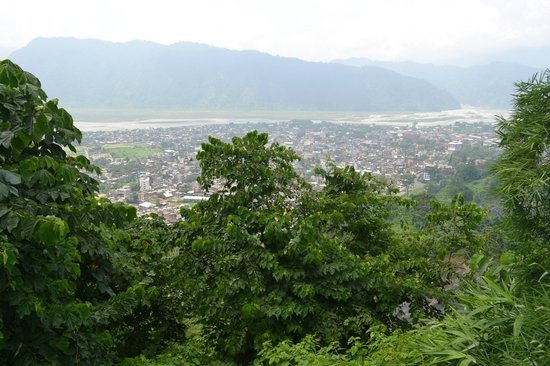
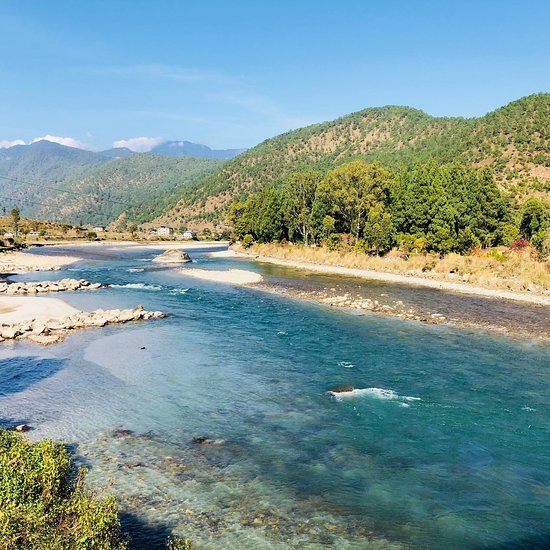
Bhutan's compact geography hides a surprising range of climates: subtropical valleys, cool hill stations and alpine highlands. Understanding the month-by-month weather helps you choose the right season for trekking, festivals, or a relaxed cultural tour.
Overview: Climate Zones and What Shapes Bhutan's Weather
Bhutan lies in the eastern Himalaya where altitude matters more than latitude. The country has three broad climate zones:
- Subtropical plains (south): warm and humid, with heavy monsoon rains in summer.
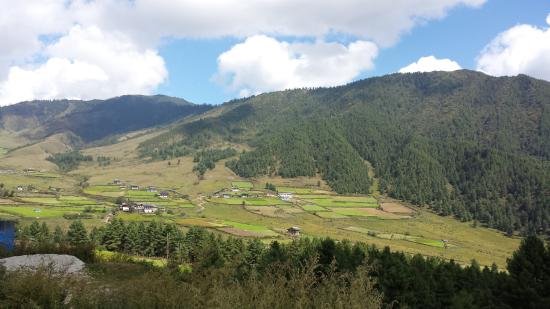
- Temperate valleys (central): Thimphu, Paro and Punakha enjoy mild, pleasant conditions for much of the year.
- Alpine highlands (north): cold, dry winters with snow at higher passes.
Keep in mind that weather can change rapidly, especially in mountain areas. Elevation differences of a few hundred metres can produce noticeably different temperatures and precipitation patterns.
January – Cold, Clear and Quiet
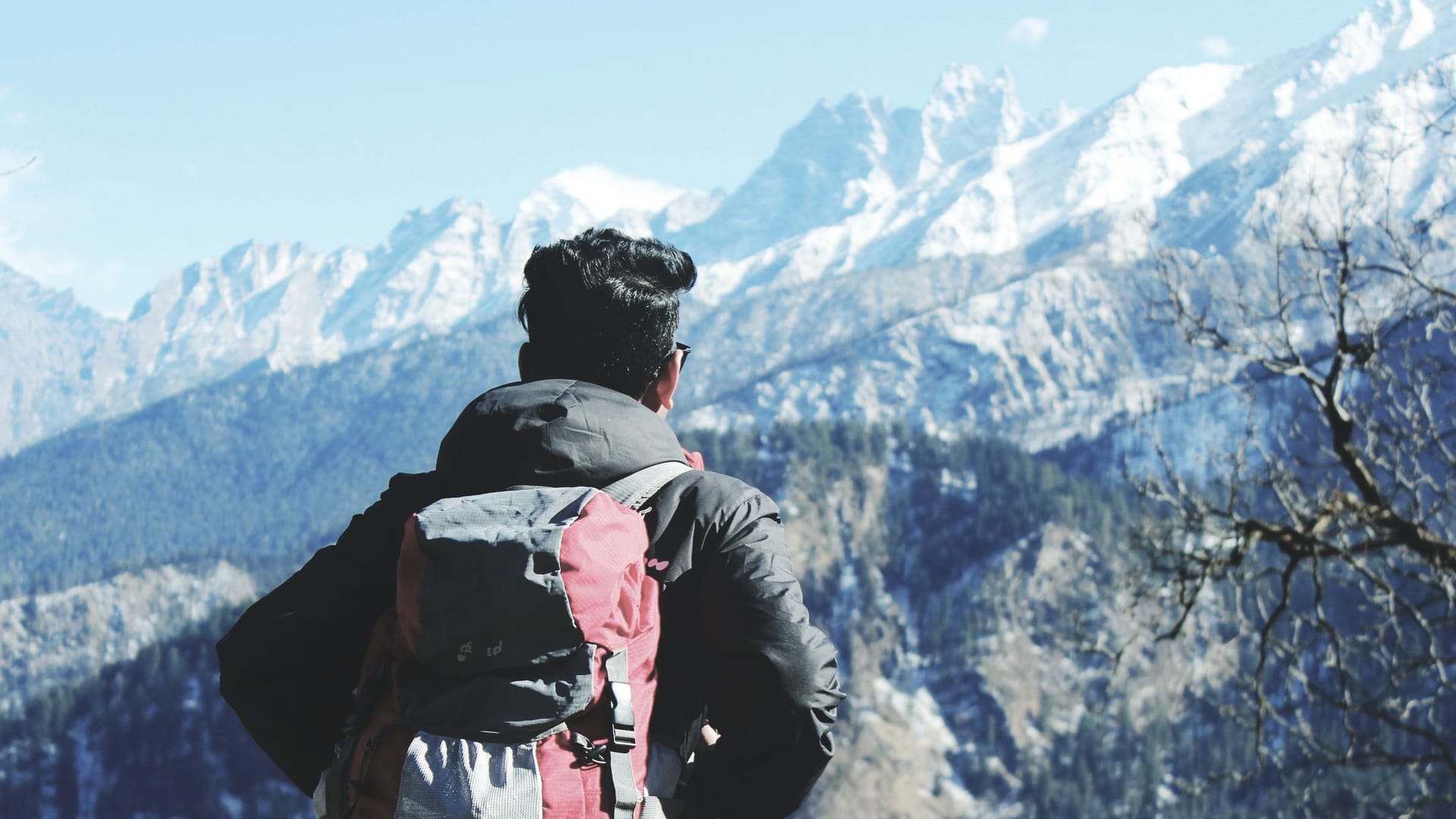
January is the chilliest month across much of Bhutan. Expect freezing nights in the highlands and frosty mornings in central valleys. Days can be bright and sunny, particularly in lower-altitude towns.
- Best for: Budget travellers, photographers who like crisp winter light, those seeking a quieter experience.
- What to pack: Warm layers, insulated jacket, thermal base layers, gloves and a hat; sunscreen for sunny days.
- Notes: High mountain passes may be closed by snow. Waterfalls and rivers may have reduced flow but the clear skies make for panoramic mountain views.
February – Slowly Warming, Still Brisk
February remains cool, with gradually lengthening days. The risk of snow in higher regions diminishes, but mornings and nights are still cold. Visibility is generally excellent.
- Best for: Early spring blooms in lower valleys, photographers, travellers who prefer fewer crowds.
- What to pack: Layering pieces and a warm coat; comfortable walking shoes for valley trails.
- Notes: Festivals begin to appear later in the month in some regions, offering cultural experiences without heavy tourist traffic.
March – Spring Awakening
March brings noticeable warming and the first reliable signs of spring. Rhododendrons begin to blossom in the hills, making it a lovely month for scenic drives and moderate hikes.
- Best for: Nature lovers, moderate trekking in lower-altitude routes, festival-goers.
- What to pack: Light layers for daytime, warm layer for evenings, rain jacket for occasional showers.
- Notes: Popular trekking routes at mid-elevation become more accessible; however, higher passes still may have snow.
April – Moderate Temperatures and Blossoms
April is one of the most pleasant months across Bhutan. The weather is mild, the valleys are vibrant with rhododendrons and other flowers, and visibility for mountain vistas is excellent.
- Best for: Treks such as parts of the Druk Path, cultural sightseeing, and photography.
- What to pack: Comfortable walking clothes, sun protection, a light to medium jacket for early mornings and evenings.
- Notes: As a popular travel month, book permits, accommodation and transport in advance, especially around major festivals.
May – Pre-Monsoon Warming
May sees warmer temperatures and increasing humidity, particularly in southern Bhutan. The higher hills remain pleasant, but rain showers begin to occur more frequently toward the end of the month.
- Best for: Visiting higher valleys and alpine meadows before the monsoon fully arrives.
- What to pack: Light breathable layers, waterproof jacket, quick-dry clothing and insect repellent.
- Notes: This is a transitional month; if trekking, plan for intermittent rain and softer trails.
June – Start of the Monsoon
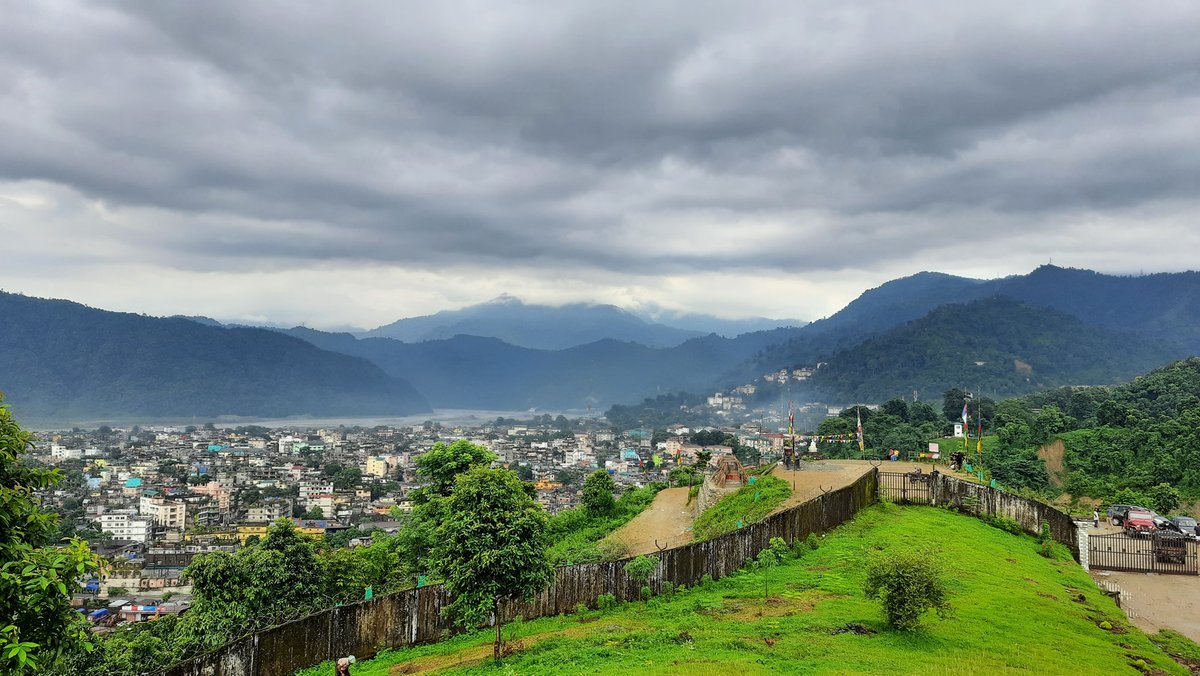
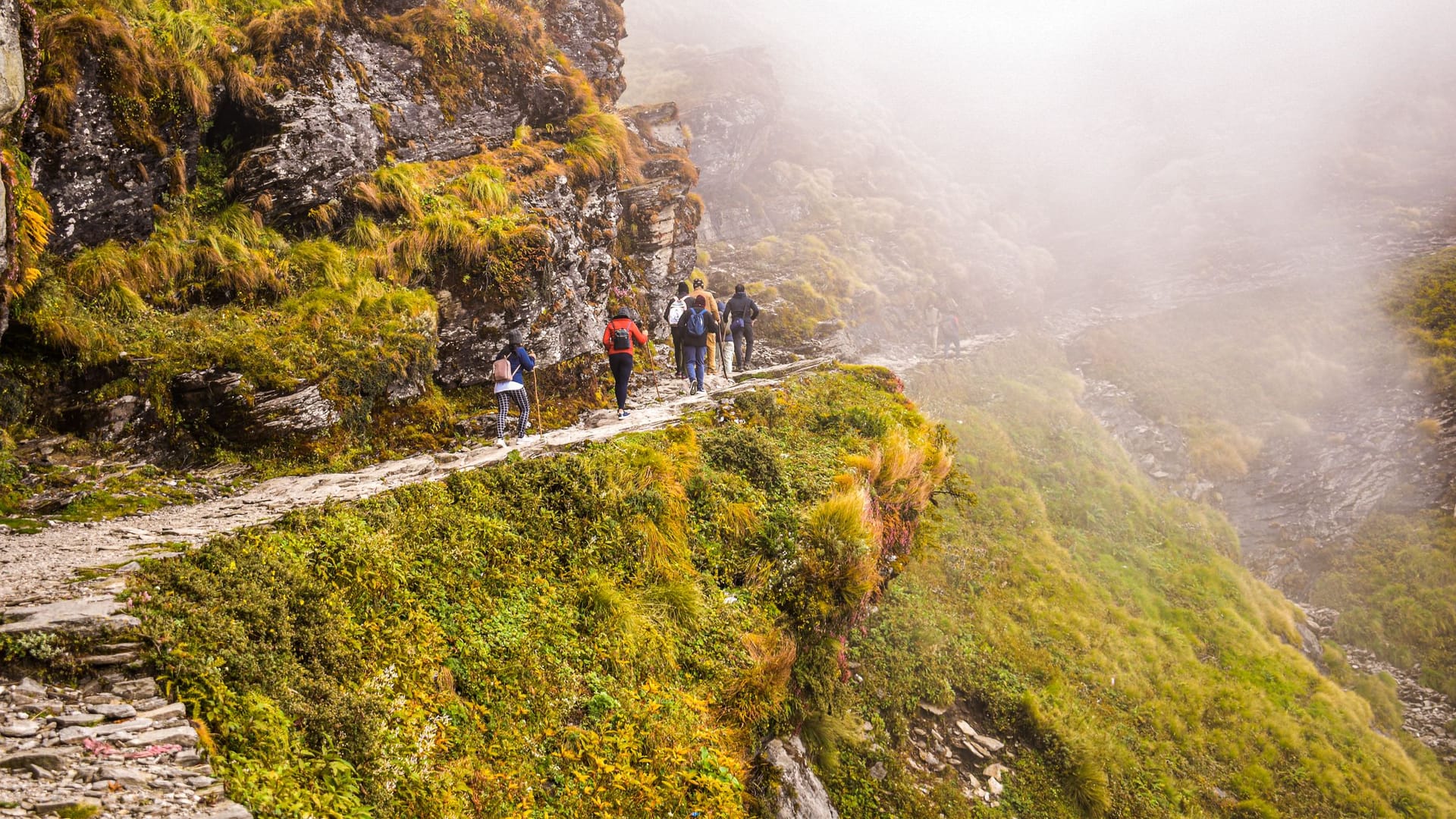
Monsoon typically begins in June. Rainfall increases, especially in southern and central lowlands. The landscape turns lush, but travel delays and slippery trails are possible.
- Best for: Travellers who enjoy lush greenery and fewer crowds; avoid high-altitude treks that require clear weather.
- What to pack: Heavy-duty rain gear, waterproof footwear, umbrella and protective covers for electronics and documents.
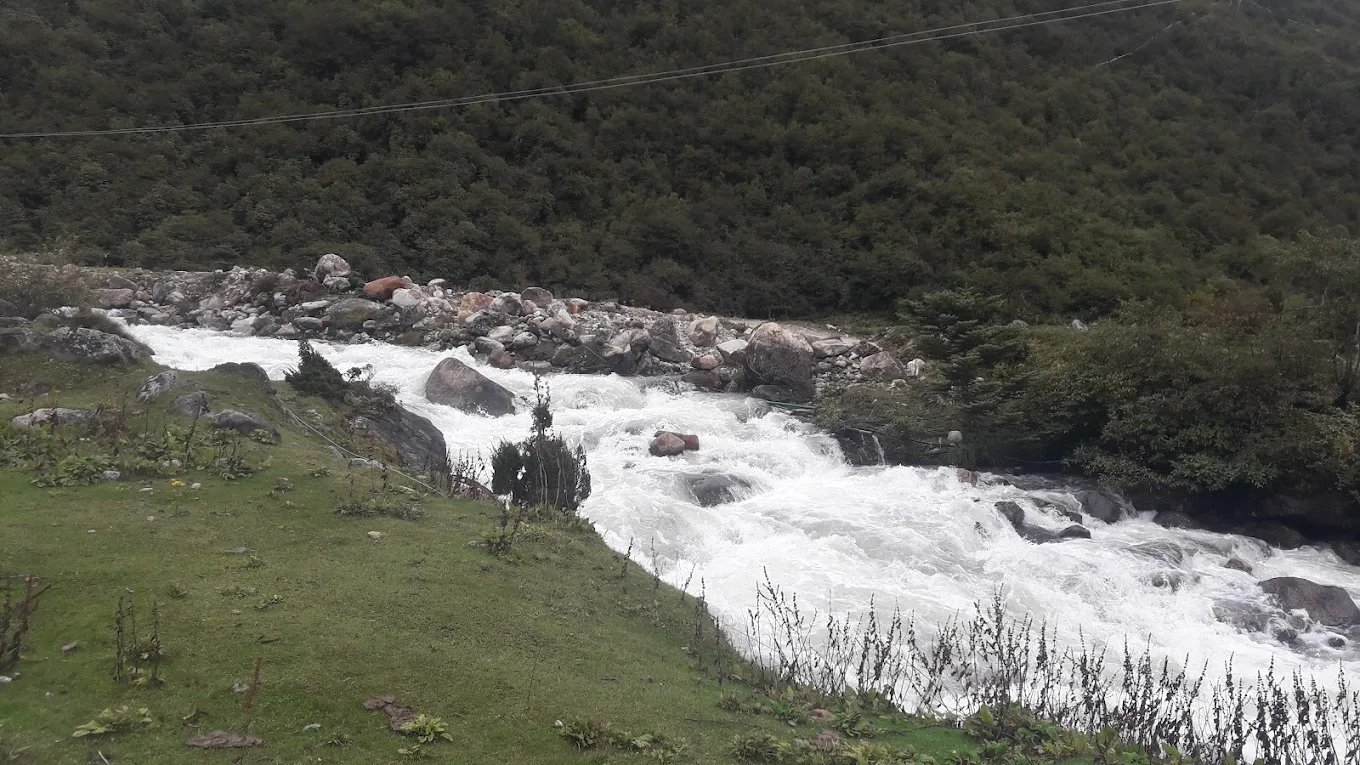
- Notes: River levels rise and landslides can affect remote roads—allow extra travel time and stay updated on local conditions.
July – Monsoon in Full Swing
July brings frequent, sometimes heavy, rainfall. While the valleys are strikingly green, many treks and mountain activities are best avoided due to unstable trails and reduced visibility.
- Best for: Short cultural visits in towns where roads are reliable, low-season bargains on accommodation.
- What to pack: Waterproof bags, quick-dry clothes and extra socks; mosquito repellent is essential in humid areas.
- Notes: Cultural festivals still occur, but check schedules; travel plans should be flexible.
August – Monsoon Continues
August remains wet, though rainfall patterns can vary year to year. The humid air and lush countryside make for memorable landscapes if you don't mind the rain.
- Best for: Photographers of misty hills, travellers comfortable with wet-weather travel.
- What to pack: Same as July; pack moisture-wicking layers to stay comfortable indoors and out.
- Notes: Road conditions and visibility can limit access to some high-altitude attractions.
September – Monsoon Retreats, Clearer Skies
September typically marks the tail end of the monsoon. Rainfall decreases, humidity drops, and visibility improves—conditions become favourable again for trekking and sightseeing.
- Best for: Treks reopening, festivals, and photographers who want rich colours and clearer mountain views.
- What to pack: Layers for variable temperatures, light rain gear for residual showers.
- Notes: This month strikes a balance between lush landscapes and improving travel reliability.
October – Prime Travel Season
October is one of the best months to visit Bhutan. The monsoon has retreated, days are warm and sunny, and mountains appear crisp against clear skies. It’s an excellent time for long treks and cultural tours.
- Best for: Trekking, outdoor photography, major festivals and clear high-altitude views.
- What to pack: Daytime layers, warm jacket for evenings at altitude, sun protection and sturdy hiking shoes.
- Notes: Popular month—plan and book ahead for permits and accommodation.
November – Cool, Dry and Colourful
November retains October’s clarity while cooling progressively. The post-monsoon air is crisp and dry, and landscapes often display late autumn hues in lower valleys.
- Best for: Cultural travel, moderate trekking and enjoying quieter trails after peak season.
- What to pack: Warm layers for mornings/evenings and a windproof layer for exposed ridges.
- Notes: This is a great month to avoid crowds while still enjoying excellent weather.
December – Dry, Bright and Chilly
December is dry and sunny in Bhutan, but nights and high-elevation areas are cold. Lower valleys can be comfortable during the day, making it suitable for short hikes and cultural visits.
- Best for: Travellers seeking clear skies, colourful prayer flags against snowy peaks and low tourist numbers.
- What to pack: Insulated jacket, thermal layers, warm hat and sturdy footwear.
- Notes: Some high passes may start to close if snowfall occurs; always check local travel advisories during winter.
Practical Tips for Every Season
- Layering: Because temperatures can swing between sunlit afternoons and freezing mornings, packing layers is essential year-round.
- Altitude awareness: Even if the weather looks calm, altitude can affect breathing and energy—allow extra time to acclimatise when moving to higher elevations.
- Flexible itineraries: Weather and road conditions can force changes—build buffers into your travel plans.
- Local guidance: Use local operators and guides for trekking and remote travel; they know current conditions and safe routes.
- Respect nature and culture: Bhutan places high value on environmental protection and cultural preservation; travel responsibly and follow local guidelines.
Tip: The best months for most travellers are April–May and September–November for a mix of pleasant weather, good visibility and festival opportunities.
Packing Checklist by Season
- All-year essentials: Comfortable walking shoes, sun protection, basic first-aid, and copies of travel permits and ID.
- Winter (Dec–Feb): Insulated outerwear, thermals, gloves, warm hat, and lip balm.
- Spring/Autumn (Mar–May, Sep–Nov): Layered clothing, light waterproof, hiking poles for uneven trails.
- Monsoon (Jun–Aug): Waterproof jacket, dry bags, quick-dry clothes and insect repellent.
Conclusion
Bhutan’s small size belies a wide variety of weather conditions driven by altitude and seasonal monsoon patterns. Choose spring or autumn for the most comfortable and scenic travel, pick winter for quieter visits and crystal-clear views, and expect lush, rain-soaked landscapes during the monsoon. Whatever month you travel, pack smartly, stay flexible and embrace the kingdom’s serene natural beauty.