Bhutan Travel Etiquette: Dos and Donts for Visitors
A practical guide to Bhutan travel etiquette covering greetings, monastery manners, dress code, photography, festivals, dining customs and sustainable behaviour to help visitors show respect and enjoy authentic experiences.
By TravMe Holidays travel team · · Updated · 6 min read
Bhutan is known for its dramatic landscapes, Buddhist heritage and measured approach to modern life. As a visitor, understanding local etiquette will enrich your experience and show respect for Bhutanese values. This guide outlines practical dos and don'ts to help you navigate social situations, religious sites, festivals and daily interactions in Bhutan.
Understanding Bhutanese Culture and Values
Bhutanese culture is rooted in Vajrayana Buddhism, community ties and respect for tradition. Concepts like humility, non-confrontation and deference to elders are important. Many behaviours you may find casual back home are meaningful symbols here, so a little cultural sensitivity goes a long way. Remember that Bhutan follows a Low-Impact High-Value tourism philosophy: visitors are encouraged to travel responsibly and respectfully.
Dos
- Be polite and patient: Speak softly, avoid loud public displays of anger and allow conversations to be relaxed. Bhutanese communication tends to be indirect and courteous.
- Address people with respect: Use formal titles when introduced, especially for elders or officials. When in doubt, add “Lama” or “Apo” (elder) where appropriate, or simply use Mr./Ms. with the surname.
- Learn a few greetings: A simple "Kuzuzangpo" (hello) or "Kadrinche" (thank you) is appreciated and shows you have made an effort.
- Follow local customs at festivals: Dress modestly, join processions with humility, and observe how locals behave before participating.
Don'ts
- Avoid public criticism: Do not openly criticize the monarchy, government policies or religious figures. Such discussions are sensitive.
- Don't rush elders or religious rituals: Allow ceremonies to unfold at their pace and avoid insisting on moving events along.
- Don't assume everyone speaks English: While many people in towns do, using simple, clear language and gestures is more effective in rural areas.
Monastery and Temple Etiquette
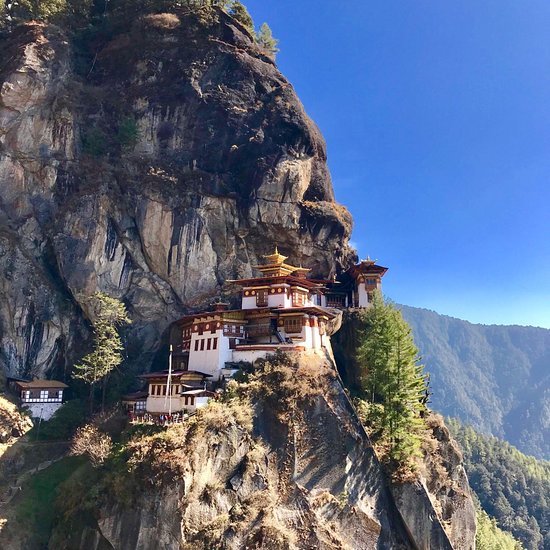
Religious sites are the heart of Bhutanese life. Observing proper behaviour in monasteries, dzongs and chortens (stupas) is essential.
Dos
- Dress modestly: Cover shoulders and legs; women should avoid low necklines. A light scarf can be useful for quick cover-ups.
- Remove your shoes: Take off footwear before entering main halls, unless signage indicates otherwise.
- Walk clockwise: Circumambulate temples and chortens in a clockwise direction, following local practice.
- Observe prayer rituals: When locals prostrate or spin prayer wheels, follow respectfully from a distance. You may join if invited but never interrupt a worshipper.
- Ask before entering inner sanctums: Some areas are restricted; always check with attendants or monks before proceeding.
Don'ts
- Avoid pointing your feet: Feet are considered the lowest part of the body. Do not point them toward altars, statues or people; sit cross-legged or tuck feet away.
- Do not touch sacred objects: Avoid touching statues, thangkas (religious paintings) and ritual items unless explicitly permitted.
- Don't wear a hat inside prayer halls: Keep head uncovered and avoid loud behaviour inside sacred spaces.
Photography: When to Shoot and When to Hold Back
Photography is often welcome, but respect and caution are necessary especially at religious sites and during festivals.
Dos
- Ask permission: Request consent before photographing people, particularly monks, elders and women. A smile and a simple gesture usually works.
- Follow signs and staff instructions: If photography is prohibited in an area, comply immediately.
- Use discretion during rituals: Many ceremonies are private or sacred. If flash photography or close-up shots would disturb worshippers, refrain.
Don'ts
- Never photograph inside inner sanctums without permission: Even if others are taking photos, the rule may still apply to you.
- Avoid taking photographs of military installations or border areas: Security is taken seriously; when in doubt, don’t shoot.
Dress Code and Personal Presentation
While cities and towns are increasingly modern, Bhutanese people often wear traditional dress—gho for men and kira for women—especially on Sundays and public holidays. Adapting your clothing shows cultural appreciation.
Dos
- Opt for modest clothing: Cover shoulders and knees when visiting religious or rural areas. Lightweight fabrics work well for daytime travel.
- Bring layers: Weather varies quickly with altitude. A scarf or light jacket helps maintain modesty and comfort.
Don'ts
- Avoid beachwear in towns or at temples: Save shorts, tank tops and swimwear for appropriate settings only.
Interacting with Locals: Greetings, Gifts and Personal Space
Building friendly relations with Bhutanese people is one of the highlights of any visit. Small gestures matter more than grand ones.
Dos
- Use both hands for giving: When presenting a gift or receiving something from an elder, offer it with both hands as a sign of respect.
- Accept tea politely: Guests are often offered tea; accept graciously even if you only take a small sip.
- Respect personal space: Physical contact is limited; avoid hugging or touching without consent, particularly with the opposite sex or elders.
Don'ts
- Avoid criticizing homes or lifestyle: Compliments are appreciated; overt negativity about living conditions or customs can offend.
- Don't rely solely on English: In rural areas, a local phrasebook or a friendly guide will bridge gaps and show effort.
Dining Etiquette and Tipping
Meals are often social, with family-style sharing and local dishes centred on rice, chilli and seasonal vegetables. Dining etiquette blends hospitality and modesty.
Dos
- Try local food: Order or accept small portions of traditional dishes; your willingness to taste local fare is valued.
- Accept second helpings cautiously: Hosts may encourage you to eat more; it is polite to accept a modest second serving or to accept with a gentle refusal if truly full.
- Tip discreetly where appropriate: Tipping is not customary everywhere in Bhutan, but small, discreet tips for exceptional service are acceptable in hotels or for guides.
Don'ts
- Avoid wasting food: Leaving large quantities uneaten is seen as disrespectful.
- Don't bring alcohol into sacred or family ceremonies: Alcohol is allowed in Bhutan but avoid offering it at religious events or formal family gatherings unless invited.
Environment, Laws and Responsible Travel
Bhutan places high importance on environmental conservation and societal harmony. As a visitor, you are expected to support these values.
Dos
- Follow waste rules: Carry out what you bring in, avoid single-use plastics and use designated bins.
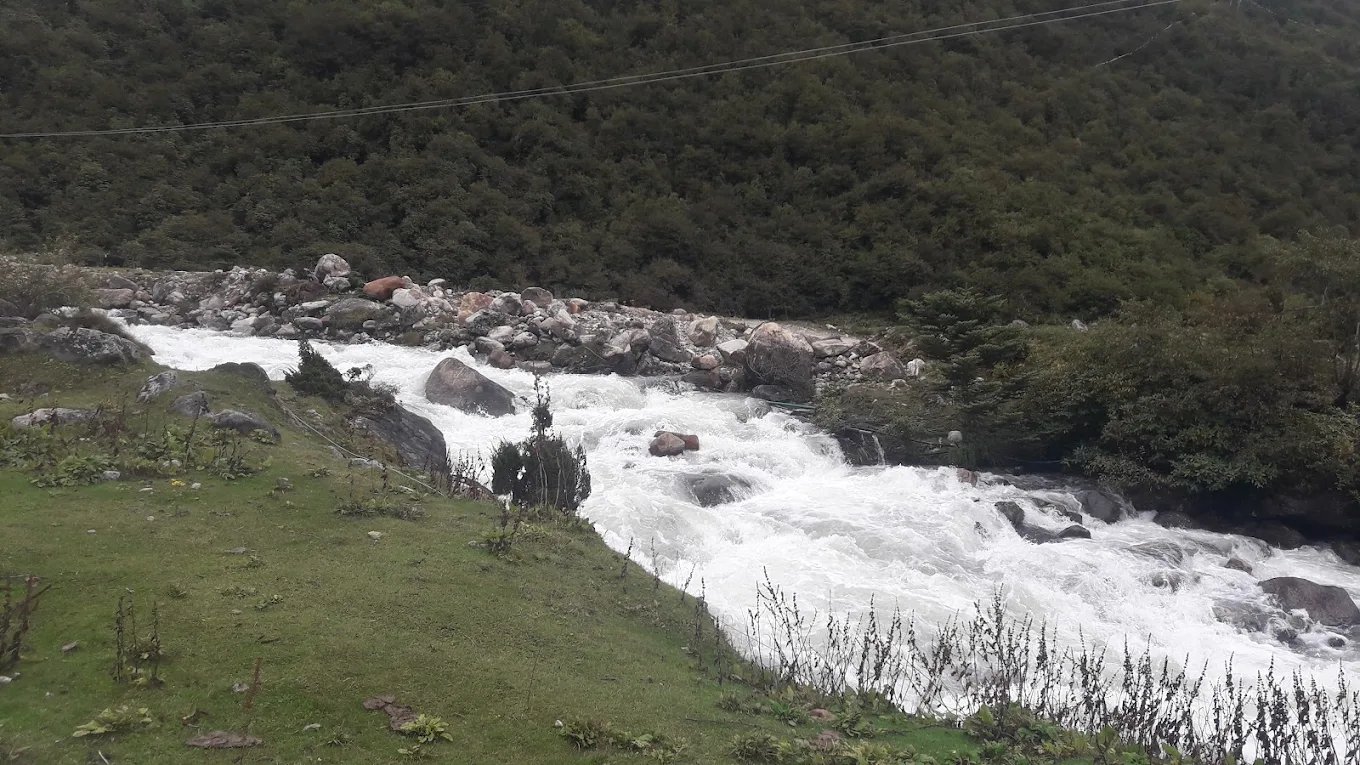
- Stick to trails: When trekking or exploring, keep to marked paths to protect fragile ecosystems and local agriculture.
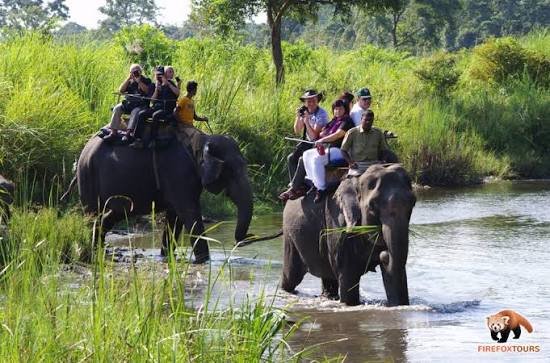
- Respect wildlife: Observe animals from a distance and never feed them.
Don'ts
- Avoid illegal substances and activities: Bhutan has strict laws on drugs and certain behaviours—ignorance is not a defence.
- Don't remove cultural artefacts: Never take stones, prayer flags, or any objects from temples, chortens or archaeological sites.
Tip: A little humility and curiosity are the best companions in Bhutan. When unsure, observe first and ask second—locals appreciate respectful interest more than confident ignorance.
Practical Tips Before You Travel
Prepare for journeying in Bhutan by arranging a licensed guide for remote areas, packing modest clothing, and reading about the festivals or events you might encounter. Keep digital copies of important documents and use local banks or ATMs with caution—carry enough cash for rural areas where card acceptance can be limited.
Conclusion
Bhutan rewards travellers who show respect for its people, traditions and environment. By following these dos and don'ts—dressing modestly, behaving quietly in religious spaces, asking before photographing, and supporting sustainable practices—you'll not only avoid missteps but also deepen your appreciation for this unique Himalayan kingdom. Travel with sensitivity, keep an open heart and you'll find Bhutan's warmth and wisdom returning your respect tenfold.