Best Time to Visit Shillong: A Season-by-Season Guide
A practical season-by-season guide to the best times to visit Shillong in the Seven Sisters region, covering weather, activities, festivals, travel tips and packing advice for every month.
By TravMe Holidays travel team · · Updated · 7 min read
Nestled on a rolling plateau at about 1,500 metres, Shillong is the charming capital of Meghalaya and a perfect base to explore the Seven Sisters region. Its temperate climate, misty hills, thundering waterfalls and vibrant cultural life mean every season offers something special. This guide helps you decide when to visit Shillong, what to expect month by month, and how to plan your trip for weather, sightseeing and festivals.
Quick overview: When to visit Shillong
Broadly, Shillong’s climate can be divided into five periods: winter (December–February), spring (March–April), summer/pre-monsoon (May), monsoon (June–September) and post-monsoon/autumn (October–November). The best time to visit depends on what you want—green landscapes and waterfalls, cool weather, or vibrant festivals. Read on for a season-by-season breakdown.
Winter (December–February): Crisp air and clear skies
Winter in Shillong is cool and pleasant compared to most Indian plains. Days are mild, but nights can be chilly, with temperatures dipping significantly. Morning mists lift to reveal clear skies—ideal for sightseeing and photography.
What to expect
- Cool days and cold nights; mornings often crisp and clear.
- Lower rainfall compared to monsoon months; waterfalls may have less volume but look dramatic against clear skies.
- Visibility is generally excellent, making it a great time for panoramic views and hilltop viewpoints.
Why visit in winter
- Comfortable weather for walking, exploring markets and visiting museums.
- Clear conditions are perfect for photography—sunrise and sunset hues are striking over the hills.
- Festival goers can experience local cultural events and winter fairs in and around the city.
Tips
- Carry warm layers, a windcheater and a good scarf for evenings.
- Book accommodation early around major holidays when demand rises.
Spring (March–April): Blooming landscapes and mild weather
Spring brings a gentle warming and new life to Shillong. Rhododendrons and other native flowers start to bloom, the hills take on fresh hues, and the weather is generally comfortable—neither too cold nor oppressively humid.
What to expect
- Moderate temperatures and a pleasant breeze; ideal for outdoor activities.
- Flora in bloom—good for nature lovers and birdwatchers.
- Road conditions are generally good, with fewer disruptions compared to the monsoon season.
Why visit in spring
- Excellent time for day hikes, visiting Umiam Lake and exploring nearby hill stations.
- Wildflower displays and fresh greenery make it a scenic season for photographers and trekkers.
Tips
- Pack light layers and comfortable walking shoes for trails and sightseeing.
- Check local listings for small cultural events or village festivals that often happen in spring.
Summer / Pre-monsoon (May): Pleasant heights and crowds
May in Shillong is warm but far more comfortable than Indian plains because of the altitude. This month is the gateway to the monsoon season that follows, so temperatures rise slightly and humidity begins to build.
What to expect
- Warm afternoons with cooler evenings—still pleasant for outdoor plans.
- Increasing humidity and the occasional pre-monsoon thunderstorm.
- Tourist traffic may rise as visitors escape hotter cities.
Why visit in May
- A good compromise if you want warmer weather but don’t want monsoon downpours yet.
- Ideal for outdoor pursuits like boating on Umiam Lake, short treks and visiting caves and waterfalls before they swell in monsoon.
Tips
- Carry light cottons for day and a light jacket for evenings.
- Book any guided activities in advance as this is a popular escape month for travellers from surrounding regions.
Monsoon (June–September): Lush landscapes and heavy rains
Shillong and Meghalaya receive heavy rainfall, especially from June to September. This is when the region becomes intensely green, rivers swell and waterfalls like those in Cherrapunji and Mawlynnong are at their most spectacular. But heavy rains can also disrupt travel plans.
What to expect
- Frequent heavy showers and high humidity.
- Road conditions can be unpredictable—landslides and roadblocks may occur in remote areas.
- Waterfalls and rivers are at their fullest and most dramatic; some trails become slippery and challenging.
Why visit in the monsoon
- A nature lover’s paradise: lush forests, mist-draped hills, and roaring waterfalls.
- Fewer tourists in some places—if you don’t mind wet weather, you’ll find a quieter, greener Shillong.
Tips
- Travel only with flexible plans and extra time allowances. Local transport can slow down during heavy rains.
- Pack waterproof gear: raincoat, umbrella, waterproof backpacks and quick-dry clothing.
- If you plan to visit Living Root Bridges or Cherrapunji, go with experienced local guides and sturdy footwear.
Post-monsoon / Autumn (October–November): Clear skies and vibrant festivals
Post-monsoon is arguably the best overall time to visit Shillong. The rains taper off, skies clear, air becomes crisp and visibility is excellent. The landscape remains verdant from recent rains, making it a beautiful time for sightseeing and photography.
What to expect
- Clear, sunny days with cool evenings and excellent visibility for panoramic views.
- Lush landscapes with flowing waterfalls and full rivers after the monsoon recharge.
- Festival season: many communities host harvest and cultural festivals.
Why visit in autumn
- Best combination of good weather, full waterfalls and comfortable touring conditions.
- Festivals and cultural events offer authentic local experiences and handicrafts.
Tips
- Book accommodation and transport in advance during festival weekends and peak months.
- Bring layers for cool mornings and evenings and sun protection for daytime excursions.
Month-by-month snapshot
- January–February: Cool, clear; great for sightseeing and photography.
- March–April: Mild, blooming landscapes; ideal for nature walks and birding.
- May: Warm but pleasant; good pre-monsoon activities.
- June–September: Heavy rains; spectacular waterfalls but travel disruptions possible.
- October–November: Clear skies, lush scenery, festival season—best overall for most travellers.
Practical travel tips for Shillong
Getting there and around
Shillong is accessible by road from nearby airports and railheads. Roads wind through hilly terrain, so allow extra travel time. Shared taxis, local buses and private cabs are common ways to move around; for remote sights, consider hiring a local driver who knows the routes and conditions.
Where to stay
Shillong offers a range of accommodation from homely guesthouses and heritage stays to comfortable hotels. Staying closer to the city centre is convenient for markets and restaurants, while hilltop lodges and lakeside properties suit those seeking tranquillity.
Food and culture
Meghalaya’s cuisine is a delightful mix of local Khasi, Garo and Jaintia flavours alongside modern cafés and bakeries in Shillong. Try local dishes, buy handicrafts from markets and engage with friendly locals to learn about traditional music, dance and festivals.
Health and safety
Carry a basic first-aid kit and any personal medications. In monsoon months, be cautious of waterborne ailments and avoid drinking untreated water. Travel insurance and awareness of local emergency contacts are recommended whenever you explore remote areas.
Packing checklist by season
- Winter: Warm jacket, thermal wear for nights, closed shoes, woollen cap and gloves.
- Spring: Light layers, sunhat, binoculars for birding, comfortable walking shoes.
- Summer/Pre-monsoon: Light cottons, light sweater for evenings, sunscreen.
- Monsoon: Waterproof jacket, quick-dry clothing, sturdy non-slip shoes, insect repellent.
- All seasons: Reusable water bottle, power bank, camera, photocopies of travel documents.
Pro tip: If you’re planning to include Cherrapunji, Mawlynnong or Dawki in your itinerary, aim for post-monsoon (October–November) for the best mix of lush greenery and safe road conditions.
Suggested itineraries based on season
Short break (2–3 days)
- Visit Shillong Peak, Elephant Falls, Ward’s Lake and Police Bazaar. Add Umiam Lake for a peaceful evening.
Extended trip (5–7 days)
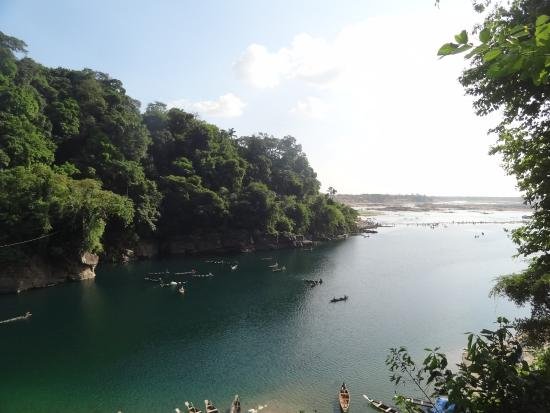
- Base yourself in Shillong and take day trips to Cherrapunji (Nohkalikai Falls, Arwah Caves), Mawlynnong (Asia’s cleanest village) and Dawki (Umngot River).
- Include a nature walk to a living root bridge if you want a more adventurous day.
Final thoughts
Shillong’s charm lies in its ever-changing skies and rich cultural tapestry. If you prioritise good weather and ease of travel, October–November and December–February are ideal. For dramatic waterfalls and verdant landscapes, the monsoon months are unbeatable—provided you travel with flexibility and local guidance. Wherever you visit, Shillong’s music, cafés, misty hills and warm hospitality make it a memorable stop in the Seven Sisters.
Plan according to the experiences you value most—clear vistas, vibrant festivals or lush monsoon greens—and you’ll discover the best time to visit Shillong for your perfect trip.