Best Time to Visit Nagaland for Culture and Mountain Views
Nagaland is best visited between October and February for festivals like Hornbill and crisp mountain views; spring (March–April) offers wildflowers and pleasant treks, while the monsoon brings heavy rain and limited visibility.
By TravMe Holidays travel team · · Updated · 8 min read
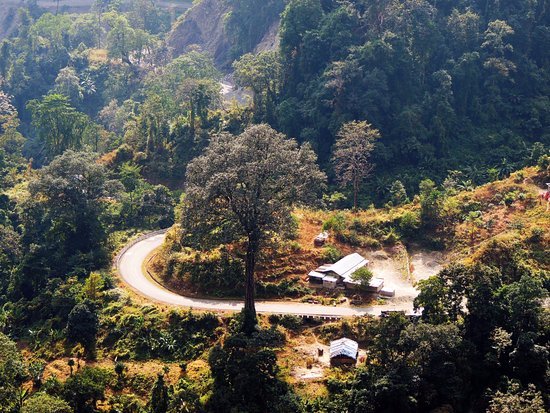
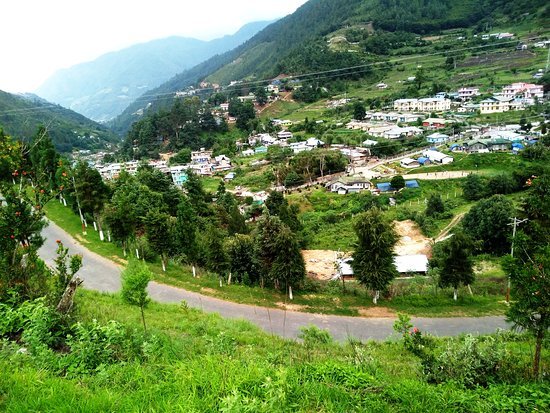
Nestled in the northeastern corner of India, Nagaland offers an intoxicating mix of vibrant tribal culture and lush, dramatic mountain scenery. Choosing the right time to visit can elevate your experience from pleasant to unforgettable—whether you want to attend a colourful festival, trek through misty valleys or simply drink in panoramic sunrise views. This guide helps you pick the best season for culture and mountain vistas, with practical tips on what to expect, where to go and how to travel responsibly.
Why timing matters in Nagaland
Nagaland’s climate and cultural calendar are tightly linked to the rhythm of the hills. Weather affects road conditions, the visibility of peaks and valleys, and the accessibility of remote villages where many cultural experiences happen. Festivals—often tied to the harvest cycle or traditional calendars—occur at specific times and are the best way to encounter Naga music, crafts and dance. Pick your travel window with both weather and festivals in mind, depending on whether your priority is culture, trekking, or scenic photography.
Best time for culture: October to December (peak festival season)
If your main aim is culture—meet tribal elders, watch traditional dances and browse unique handloom and woodcraft—plan your visit from October through December. This period marks the end of the monsoon and the beginning of the cool, dry season, when travel between villages is easiest and festivals take place.
Highlights
- Hornbill Festival (early December): Nagaland’s flagship cultural event, held near Kohima, showcases performances, crafts, food and indigenous sports. It’s an excellent single-window cultural immersion, attracting artists from across the state.
- Local village festivals: Many tribes hold post-harvest festivals and community celebrations in autumn; timing varies by community. These smaller festivals offer a more intimate and authentic experience than larger state-run events.
- Handloom and handicrafts: Markets and craft fairs are lively after harvests, when artisans sell woven shawls, headgear, beadwork and carved items—perfect for responsible shopping.
Best time for mountain views and trekking: October–November and February–March
For clear skies, crisp visibility and excellent trekking conditions, the windows just after the monsoon and the period before the pre-monsoon heat are ideal. Late October to November brings fresh air and great visibility, while February to March offers cool days and the first stirrings of spring wildflowers at higher altitudes.
Top spots for views and treks
- Dzukou Valley (border of Nagaland and Manipur): Famous for its carpet of seasonal flowers, powerful vistas and relatively gentle treks. Best visited once monsoon waterlogging has cleared.
- Japfü Peak (near Kohima): Offers panoramic sunrise views; rhododendrons bloom in spring at higher altitudes.
- Mount Saramati (Mon district): The tallest peak in Nagaland—strenuous but rewarding for those seeking remote mountain views and highland biodiversity.
- Trek routes around Mokokchung and Phek: Lesser-known trails pass through tribal villages, offering both scenery and cultural contact.
Avoiding the monsoon: June to September
The southwest monsoon brings heavy rains to Nagaland from June through September. Slippery roads, landslides and washed-out trails make travel challenging. While the hills become emerald green and waterfalls are at their most dramatic, many remote villages and trekking trails become inaccessible or risky.
Monsoon travel notes
- Expect frequent rain interruptions to road travel and limited daylight visibility for photography.
- Some local festivals occur during or right after the rains, but attendance and logistics can be difficult for independent travellers.
- If you do travel in monsoon, plan extra buffer days, check road conditions daily and consider hiring experienced local drivers.
Winter in Nagaland: December to January — crisp, cultural, occasionally chilly
Winter in Nagaland is cool and dry. Early December is festival-rich, with Hornbill and similarly timed events. Nights can be chilly—especially above 1,500 metres—so layers and warm sleeping arrangements are necessary. Mountain views on clear winter mornings are often spectacular but expect fog and haze in low-lying areas during some mornings.
What to expect in winter
- Festivals and community events are at their peak; book accommodation early for December.
- Clear mornings favour sunrise photography; evenings are excellent for cultural performances and campfire gatherings.
- Cold nights demand thermal layers, a warm sleeping bag for treks and hot beverages to stay comfortable.
Spring in Nagaland: March to April — wildflowers and milder treks
Spring is a delightful shoulder season. Lower humidity, blooming rhododendrons and other wildflowers make higher-altitude treks especially rewarding. Days are generally pleasant; nights cool. This is a quieter cultural season than winter, so you may miss the large festivals but gain more intimate village experiences and less crowded trails.
Flora and fauna
- Rhododendron forests start to bloom at higher elevations, colouring ridgelines.
- Birdwatchers will find migratory and resident species active; Nagaland is welcoming for birding enthusiasts with varied habitats.
Practicalities: permits, transport and connectivity
Travel logistics in Nagaland require a little advance planning. Permits, road conditions and limited rail/air options in northeast India mean you should leave time for bureaucracy and contingencies.
Permits
- Indian nationals are generally required to obtain an Inner Line Permit (ILP) or similar state-issued permission to enter certain areas. Check the latest state government rules and apply in advance where possible.
- Foreign nationals usually need Protected Area Permits (PAP) for controlled regions; these are issued through specific channels and may take time. Always verify requirements well before travel.
How to reach Nagaland
- Air: Dimapur is the main airport for Nagaland with connections to several Indian cities. From there, taxis and buses connect to Kohima and other district towns.
- Rail and road: Railheads are limited; the nearest major railway is in Dimapur. Road travel is the most common way to move between hill towns—expect winding roads and variable travel times.
- Local transport: Shared taxis, hired cabs and private vehicles are typical. In remote areas, local guides and community transport are invaluable for safety and navigation.
Where to base yourself for culture and views
Pick a base depending on whether you prioritise festivals, accessibility or trekking.
Recommended bases
- Kohima: The capital is the cultural heart and the focal point for Hornbill Festival; it also offers nearby viewpoints and accessible treks.
- Dimapur: Good for arrival and departure logistics; convenient for markets and easy road links.
- Mokokchung: A cultural hub of the Ao tribe, offering hilltop walks and markets with local crafts.
- Mon: Gateway to Mount Saramati and Konyak cultural experiences; more remote but richly rewarding for those seeking off-the-beaten-track travel.
Packing and health tips for the right season
Packing smart will make your Nagaland trip comfortable across seasons.
Essentials by season
- October–December: Layered clothing, light down jacket, waterproof daypack, sturdy walking shoes, warm hat and gloves for high-altitude mornings.
- February–March: Similar to above but lighter layers for sunny daytime treks; bring sunscreen and sunglasses.
- Monsoon months: Reliable rainwear, quick-dry clothing, mosquito repellant and waterproof covers for electronics.
Health and safety
- Carry a basic first-aid kit, medicines for common stomach upsets, and altitude-aware precautions for high treks.
- Ensure travel insurance covers remote-area rescue if you plan high-altitude trekking.
- Respect local customs and always ask before photographing people; tribal societies can be private about certain rituals.
Responsible travel in Nagaland
Visiting Nagaland responsibly enhances your experience and supports local communities. Choose locally run homestays, buy crafts directly from artisans, and hire local guides. Stick to marked trails, carry out non-biodegradable waste and be culturally sensitive—many villages have customs and taboos that visitors should honour.
Tip: A small gift—like locally appropriate food items or school supplies—is often appreciated when visiting villages. Always ask the host or guide what’s suitable.
Sample 7–10 day itinerary for culture and mountain views
- Day 1: Arrive in Dimapur, transfer to Kohima. Short walk around the town, local market visit.
- Day 2–3: Explore Kohima heritage sites and nearby viewpoints; attend cultural performances if timing aligns with a festival.
- Day 4–5: Trek to Japfü or a nearby ridge for sunrise views; overnight in village homestay.
- Day 6–7: Travel to Mokokchung or Mon for tribal immersion and market visits; explore local craft centres.
- Day 8–9: Dzukou Valley trek (or Mount Saramati for ambitious trekkers), return to Dimapur.
- Day 10: Departure from Dimapur.
Final tips for planning
- Book accommodation and permits well in advance for December and festival periods.
- Hire local guides for treks and village visits—they enhance safety and cultural understanding.
- Build slack into your schedule for road delays, weather changes and spontaneous cultural encounters.
Nagaland rewards travellers who come prepared and open-minded. For the best blend of culture and mountain vistas, aim for the post-monsoon window (October–November) or early winter (December) if festivals are your focus; pursue February–March for quieter treks and spring blooms. Wherever you go in Nagaland, take time to listen, learn and leave a positive footprint—the hills and hospitality will repay you richly.
Ready to plan? If you need help setting dates, arranging permits or designing a tailor-made itinerary around Hornbill or a Dzukou trek, TravMe Holidays can handle logistics so you can focus on experiencing Nagaland fully.
Conclusion
The best time to visit Nagaland depends on what you value most: culture in the cool, festival-packed months of October to December; clear, dramatic mountain views in late autumn and late winter; or quieter trekking and blooms in spring. Avoid peak monsoon months for safer travel and clearer vistas, and always prepare for limited infrastructure in remote areas. With smart planning and respectful engagement, Nagaland offers an unforgettable journey into a rich tribal landscape framed by spectacular hills.