Best Time to Visit Meghalaya for Waterfalls and Clear River Views
Plan your Meghalaya trip to catch roaring waterfalls and crystal-clear rivers: learn how seasonal changes—from the monsoon crescendo to the clear, post-monsoon weeks—affect visibility, safety and photography.
By TravMe Holidays travel team · · Updated · 7 min read
Meghalaya is a landscape of dramatic contrasts: thunderous waterfalls that pour from cliff edges, emerald valleys carved by rivers, and delicate clear water that reflects blue skies. If your priority is chasing waterfalls and standing on riverbanks with glassy, transparent waters—think Dawki's Umngot, Krang Suri and the many cascades around Cherrapunji and Mawlynnong—timing your visit is everything. This guide explains when to visit, what to expect in each season, and practical tips so you can plan a trip that matches your expectations for water clarity, volume, accessibility and safety.
Why seasonality matters for Meghalaya’s waterfalls and rivers
Meghalaya’s hydrology is driven by the Indian monsoon and the region’s steep terrain. Rainfall controls two things that most travellers care about: the volume of waterfalls and the clarity of river water. Heavy rains swell rivers, producing spectacular cascades and thunderous falls—but they also stir sediment and make rivers brown and turbulent. Conversely, drier periods reduce flow but often bring crystal-clear water and safer riverbanks for swimming, boating and photography.
Other factors to consider include road and bridge safety during the monsoon, accessibility of remote viewpoints, timing for festivals and local events, and wildlife activity which can add another rewarding layer to your visit.
Season-by-season breakdown: What to expect
Monsoon (June to September)
Highlights: Waterfalls at their most dramatic, lush green landscapes, powerful river flow.
- Waterfalls: This is peak waterfall season. Falls such as Nohkalikai, Seven Sisters (Nohsngithiang), Dainthlen and many smaller cascades are full and thunderous—an awe-inspiring spectacle.
- Rivers: While flow is high, river water often becomes turbid due to runoff and soil erosion, reducing clarity. Rapid currents and flash flooding can make boating hazardous.
- Accessibility: Heavy rains can damage or wash out roads, cause landslides and disrupt travel plans. Some remote viewpoints and trails may be closed.
- Photography: Monsoon creates dramatic, misty moods ideal for moody, long-exposure waterfall shots—bring weather-sealed gear.
Post-monsoon / Autumn (October to November)
Highlights: Best compromise for powerful waterfalls and improving water clarity; stable weather.
- Waterfalls: Many waterfalls retain a strong flow immediately after the monsoon, so you get the drama without the full force of the rains.
- Rivers: Sediment levels start to drop. By October and especially November, rivers become noticeably clearer—this is an excellent window for visiting Dawki (Umngot) and Krang Suri.
- Accessibility: Roads improve, landslide risk reduces, and local facilities are fully operational. This is a comfortable and safe travel period.
- Photography & Activities: Great for boating on clear rivers, snorkeling in shallower stretches where permitted, and crystal-clear reflections in calm pools.
Winter (December to February)
Highlights: Cooler, crisp weather, very clear rivers but reduced waterfall volume in some places.
- Waterfalls: Flow is often lower than post-monsoon but many cascades continue to run. The reduced mist improves visibility for viewing plunge pools and cliffs.
- Rivers: Water clarity can be excellent—ideal for photographers who want glassy reflections and for boat trips on calmer rivers.
- Accessibility: Roads are generally stable. Nights can be chilly, especially on high plateaus like Cherrapunji and Shillong.
- Activities: Birdwatching, clear-sky photography, and relaxed village stays are more enjoyable in this period.
Pre-monsoon / Spring (March to May)
Highlights: Warming temperatures, clear skies, stable river conditions—good time for exploration before the heavy rains begin.
- Waterfalls: Moderate flows resume as the land warms; some seasonal streams may still be low but many perennial falls are active.
- Rivers: Generally clear and calm, making this a pleasant time for boating on Umngot and for visits to places like Mawlynnong and Krang Suri.
- Accessibility: Roads are in reasonable shape; travel is comfortable without the monsoon hazards.
- Flora & Fauna: Spring blossoms and renewed bird activity add extra appeal.
Best overall time to visit for waterfalls and clear rivers
If you must pick a single period that balances spectacular waterfall volumes with good river clarity and safe, comfortable travel, aim for late October to November. This narrow window often delivers the best of both worlds: the monsoon’s generous water supply still feeds major falls, while rain intensity has dropped enough to let sediment settle and roads reopen.
For travellers seeking crystal-clear rivers for boating and photos rather than roaring waterfalls, late winter through April (February to April) is an excellent alternative. You’ll find great clarity and calm conditions at Umngot (Dawki), Krang Suri and many village streams.
Top spots to target for waterfalls and clear rivers
Though Meghalaya’s reputation for waterfalls extends across many districts, these sites are especially rewarding:
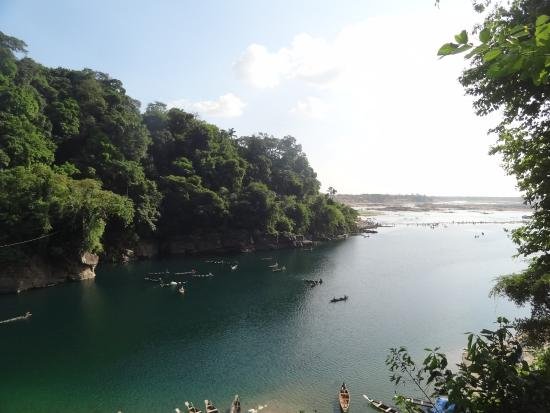
- Dawki (Umngot River) — Famous for its astonishingly clear water where boats appear to float on air. Best clarity outside the peak monsoon flush; oct–apr are ideal months for boating and photography.
- Krang Suri — A beautiful clear-water stretch with emerald pools and calm boating; accessibility improves post-monsoon and in cooler months.
- Nohkalikai Falls — One of India’s tallest plunge waterfalls; dramatic after the rains and still impressive into the post-monsoon season.
- Seven Sisters (Nohsngithiang) — Multiple segmented falls near Cherrapunji; peak spectacle during and just after monsoon.
- Mawlynnong — The cleanest village in Asia, with pretty streams and small cascades; pleasant year-round but especially fresh after rains.
- Krang Shuri and other hidden pools — Explore with local guides for off-the-beaten-path pools that retain clarity outside heavy rain spells.
Practical tips for planning your trip
Safety first
- Check local weather forecasts and road conditions before travelling during or just after the monsoon. Flash floods are a real hazard.
- Avoid riverbanks and low-lying crossings immediately after heavy rain; currents can change quickly.
- Use experienced local guides for river activities and visits to remote falls.
Packing essentials
- Waterproof jacket and quick-dry clothing—monsoon showers can be sudden even outside peak months.
- Sturdy trekking shoes with good grip for slippery rocks and wet trails.
- Camera protection: rain cover, microfibre cloths and waterproof bags for electronics.
- Sun protection and insect repellent—clear skies mean more sun and some forested areas still have insects.
Transport and logistics
Shillong is the usual base for exploring Meghalaya; a vehicle rental with an experienced driver is recommended for flexibility and safety on hilly roads. Plan extra travel time between sights—distances can be deceptively short but slow due to winding roads. For Dawki and Krang Suri, start early to get the best light for photography and to avoid afternoon winds that can disturb river surfaces.
Respect local communities and nature
Many of the best water sites are near small villages. Follow local guidelines, avoid littering, and do not remove stones or plants from riverbeds. When boating on Umngot and other pristine rivers, use only authorised operators who follow sustainable practices.
Photography and viewing tips
- For waterfalls: use a neutral density filter and slow shutter speeds to create silky water effects; a tripod and lens cloth are invaluable in humid conditions.
- For rivers: early morning and late afternoon offer the calmest water and best light for reflections. Midday can produce harsh highlights but sometimes enhances the emerald tones.
- Bring polarising filters to cut glare and increase contrast, especially useful on bright, clear days.
Tip: If you want both drama and clarity, schedule a multi-day stay in the Dawki–Krang Suri area around late October or November. Monitor local rainfall and choose the clearest days for river excursions.
Sample 4-day itinerary focused on waterfalls and clear rivers
- Day 1: Arrive in Shillong—local sightseeing and acclimatisation; short drives to nearby viewpoints for panoramic shots.
- Day 2: Travel to Cherrapunji and visit Nohkalikai Falls, Seven Sisters Falls and nearby viewpoints.
- Day 3: Drive to Dawki; enjoy a boat ride on the Umngot and explore the town and nearby clear-water pools.
- Day 4: Visit Krang Suri and Mawlynnong village before returning to Shillong or proceeding onward.
Final thoughts
Meghalaya rewards travellers who time their visit to match their priorities. For the thunderous spectacle of falls, monsoon months offer unparalleled energy; for the pristine, glassy rivers and safer, more comfortable travel, late October–November and the February–April window are the best bets. Wherever you go, travel respectfully, prioritise safety, and give yourself time to savour the slow, wet beauty of the hills. With a bit of planning, you’ll leave with unforgettable views—and perhaps a few secret pools kept just for those who arrive at the right moment.