Best Time to Visit Dawki for a Crystal-Clear Umngot River
Discover when to visit Dawki to see the Umngot River at its clearest, with practical advice on seasons, travel tips, boat rides, permits and responsible travel in Meghalaya's Seven Sisters region.
By TravMe Holidays travel team · · Updated · 6 min read
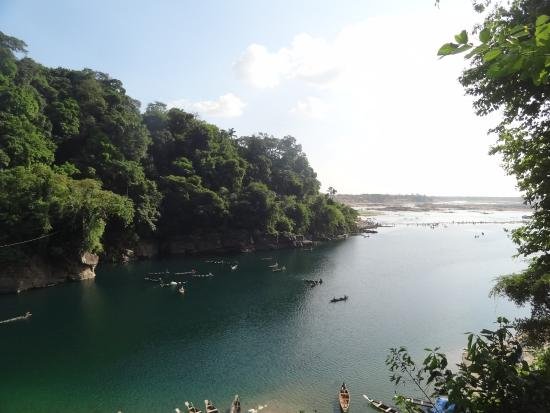
Dawki, in Meghalaya's West Jaintia Hills, is famed for the Umngot River—so clear that boats seem to float on air. Choosing the right time to visit is key to experiencing that iconic crystal-blue water and tranquil hill-country scenery. This guide explains the seasonal rhythms, travel logistics, activities and practical tips to help you plan the perfect trip.
Why timing matters for Umngot's crystal clarity
The appearance of the Umngot River changes with rainfall, water flow, sunlight and local activity. Clarity is best when the water is calm, sediment is minimal and sunlight penetrates deeply. Heavy rains stir up soil and increase turbidity, while low light or rough currents can dull the colour. Choosing days after a sustained dry spell with bright skies will give you the best chance of seeing those postcard-perfect, glassy waters.
Season-by-season guide
Post-monsoon (September to November) — the ideal window
This is widely considered the best time to visit Dawki for crystal-clear views. The monsoon has largely finished by September, leaving the landscape lush and the river flushed of suspended silt. With decreasing rainfall and more stable weather, the Umngot settles and clarity improves. Daytime temperatures are pleasant, and visibility is high—perfect for photography and boating.
Winter (December to February) — clear skies and chilly mornings
Winter brings very clear skies and cooler temperatures. The mornings can be misty, but as the sun rises the water often looks exceptionally transparent against a crisp blue sky. Do note that early mornings and nights are cold, and some services may operate on reduced schedules. This is a quieter period, ideal if you prefer fewer crowds.
Spring (March to April) — warming up and stable flows
Spring offers warm, comfortable weather with increasing sunshine. Vegetation is beginning to green up after winter, and the river typically remains clear if there hasn’t been recent heavy rain. Weekends and holiday periods can get busy, so plan accordingly.
Monsoon (May to August) — dramatic but not ideal for clarity
The monsoon transforms Meghalaya into a lush, water-rich landscape. While this has its own dramatic beauty—thundering streams, tumbling waterfalls and vibrant greenery—the rains usually mean higher flows and more suspended sediments, reducing river clarity. Landslides and road disruptions are also more likely during heavy rain, so travel plans can be affected.
Best conditions and times of day
Even within the ideal season, certain conditions produce the best views:
- After a few dry days: Avoid visiting immediately after heavy rain. Clarity improves a couple of days after rains subside, once silt has settled.
- Bright, sunny days: Sunlight amplifies colour and visibility, making the river appear almost luminous.
- Early morning or late afternoon: These times offer soft light and calmer water. Morning often has fewer boats and less disturbance, while late afternoon gives warm, golden hues.
- Wind conditions: Calm or light winds are better; strong winds ripple the surface and reduce transparency.
How to reach Dawki
Dawki is linked by road to Shillong and other towns in Meghalaya. Most travellers base themselves in Shillong or nearby towns and take a day trip or stay overnight in Dawki.
- By road from Shillong: The drive takes you through scenic hill roads and small towns. Roads are generally well-travelled, but travel times depend on traffic and road conditions.
- From Guwahati: Guwahati is the nearest major city with good rail and air links. From there you can hire a taxi or take a combination of public transport and local cabs to Shillong and onward to Dawki.
- Border crossing: Dawki sits close to the India–Bangladesh border at Tamabil. Cross-border travel requires appropriate immigration procedures—do not attempt without the required documents.
Boating on the Umngot River
Boat rides on the Umngot are the highlight for most visitors. Local fishermen operate traditional wooden boats that glide smoothly on the calm river. To get the best experience:
- Choose a clear, sunny day and preferably an early start to avoid crowds and choppy water.
- Negotiate a fair price before boarding and confirm the duration and route.
- Wear comfortable, non-slip shoes and be mindful of damp or slippery boat surfaces.
- Respect local rules: some sections may be designated for specific uses or closed to visitors at times for maintenance or safety.
Local tips, permits and responsible travel
Before you go:
- Permits: There are usually no tourist entry permits for Dawki itself, but local regulations can change and special events may require permissions—check locally or with your travel agent.
- Respect local communities: Dawki is home to Jaintia communities with their own customs and livelihoods. Ask before photographing people, and be mindful of cultural sensitivities.
- Leave no trace: Carry back any trash, avoid plastic wherever possible and use biodegradable products. Avoid damaging riverbanks or disturbing aquatic life.
- Conserve water and energy: Local ecosystems are delicate—support low-impact tourism and eco-friendly accommodations.
Tip: If you want those iconic underwater shots with rocks and fish visible, ask your boatman to stay in the calmest, shallow stretches on a bright morning—patience and the right light make all the difference.
Where to stay and eat
Accommodation in Dawki ranges from basic guesthouses to comfortable lodges in nearby towns. Many visitors prefer staying in Shillong and making a day trip to Dawki to combine river views with other attractions.
- Guesthouses and homestays: These offer the chance to connect with local hosts, enjoy home-cooked meals and learn about Jaintia culture.
- Hotels in nearby towns: For more amenities, look for options in larger towns close to Dawki. Book in advance during peak travel seasons.
- Dining: Local cuisine features Khasi and Jaintia flavours—fresh river fish, rice, local greens and homestyle curries. Street-side stalls offer quick snacks, while homestays provide hearty meals.
Suggested 1-2 day itinerary
- Day 1: Depart early from Shillong or your base. Arrive at Dawki for a morning boat ride. Spend the afternoon exploring the riverside market and viewpoints. Stay overnight in a local guesthouse or return to your base.
- Day 2 (optional): Combine Dawki with nearby attractions such as the Krang Suri or Riwai Falls, local limestone caves, or a short trek through the surrounding hills. Return in the evening.
Packing checklist for Dawki
- Light waterproof jacket (post-monsoon can still have isolated showers)
- Warm layer for winter mornings and evenings
- Comfortable walking shoes with grip
- Sun protection: hat, sunglasses, sunscreen
- Reusable water bottle and biodegradable toiletries
- Dry bag or waterproof pouch for electronics during boat rides
- Camera with polarising filter for better underwater and reflection shots
Safety and health
Basic precautions will make your trip trouble-free:
- Check local weather and road conditions before travelling, especially during the monsoon.
- Listen to boat operators and local guides; wear life jackets if provided.
- Carry any personal medications and a small first-aid kit.
- Stay hydrated and be cautious with unfamiliar food if you have a sensitive stomach.
Final planning tips
If your sole aim is to see the Umngot at its clearest, target the post-monsoon window and choose days with stable weather. Flexibility helps—keeping an extra day or two in your schedule increases your chances of catching perfect conditions. Engage a local guide or operator for real-time advice, and always prioritise respectful, low-impact travel to preserve this fragile jewel.
With the right timing and a thoughtful approach, Dawki rewards visitors with one of India’s most serene and photogenic river experiences. Plan carefully, travel responsibly, and enjoy the rare sight of the Umngot flowing like liquid glass.
Conclusion: For the quintessential crystal-clear Umngot River, plan your visit in the post-monsoon months through early winter, aim for sunny, calm days and travel responsibly to protect this unique landscape.