Altitude in Bhutan: Do You Need to Worry About Mountain Sickness?
Bhutan’s dramatic elevations can catch first-time visitors by surprise. This guide explains the altitudes you’ll encounter, the real risk of acute mountain sickness, and practical steps to stay safe and enjoy your trip.
By TravMe Holidays travel team · · Updated · 7 min read
Bhutan’s compact geography packs a wide range of altitudes into a relatively small area. From sub-tropical valleys to high alpine passes and sacred cliffside monasteries, many travellers wonder whether mountain sickness is something to worry about. This article walks you through typical elevations across Bhutan, how altitude affects the body, who is most at risk, and clear, practical strategies to prevent and manage altitude illness while you explore the Land of the Thunder Dragon.
What altitudes will you encounter in Bhutan?
Understanding the elevations you’ll actually visit helps set realistic expectations. Unlike long Himalayan approaches, many of Bhutan’s main sights are accessible by road and day hikes, but several iconic places are higher than many visitors realise.
Common elevations for popular destinations
- Paro: The Paro Valley sits at roughly 2,200–2,300 metres above sea level. Most visitors arrive and leave through Paro International Airport.
- Thimphu: Bhutan’s capital is around 2,300–2,600 metres depending on where you are in the valley.
- Punakha: Much lower, around 1,200–1,300 metres — a welcome contrast for those sensitive to altitude.
- Dochula Pass: Approximately 3,100 metres and a very popular day-stop between Thimphu and Punakha, with stunning Himalayan panoramas.
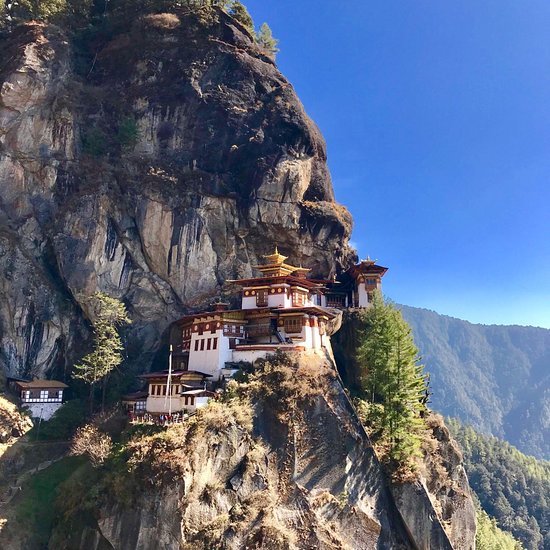
- Tiger’s Nest (Taktsang): The monastery complex sits at about 3,100–3,200 metres; the trailhead in Paro is lower, but the hike gains significant elevation.
- High treks: Multi-day treks such as the Druk Path reach around 3,800 metres at their highest points, while specialised high-altitude treks (e.g., Snowman Trek) venture above 5,000 metres and require advanced acclimatisation and technical skill.
How altitude affects the body
As altitude increases, barometric pressure falls and the partial pressure of oxygen drops. This results in less oxygen being available to breathe in each lungful of air. For most people, the body copes by increasing breathing and heart rate, and by physiological changes over days that improve oxygen delivery. When the body cannot adapt quickly enough, symptoms of acute mountain sickness (AMS) can appear.
Common symptoms of AMS
- Headache (the most common early symptom)
- Nausea, vomiting or loss of appetite
- Dizziness or light-headedness
- Fatigue and poor sleep
- Shortness of breath with mild exertion
More serious, but less common, are high-altitude cerebral oedema (HACE) and high-altitude pulmonary oedema (HAPE). These are medical emergencies and require immediate descent and medical care.
How likely are you to get sick in Bhutan?
For most tourists following standard Bhutan itineraries (Paro, Thimphu, Punakha, Dochula Pass, short hikes), the risk of significant altitude sickness is moderate but manageable with sensible precautions. Quick day trips to Dochula or a hike to Taktsang can provoke symptoms in susceptible individuals because they involve rapid ascent to around 3,100 metres.
Factors that increase risk
- Rapid ascent: Travelling quickly from low elevation (for example, flying in and immediately driving to a high pass) raises risk.
- Individual susceptibility: Some people are naturally more sensitive to altitude; previous history of AMS is a strong predictor.
- Age and fitness: Fitness does not prevent AMS. Older people and those with underlying cardiopulmonary conditions need to be cautious.
- Exertion: Strenuous activity soon after ascent increases risk.
Practical strategies to prevent altitude sickness
Prevention is straightforward and often very effective. The key is to allow your body time to acclimatise and to avoid behaviours that worsen oxygen demand.
Before you travel
- Discuss medical history with your doctor, especially if you have heart or lung disease.
- Consider carrying a medical summary in English and your local language listing conditions and medications.
- If you have a history of AMS, speak with a physician about preventive medication options such as acetazolamide; only use prescription medication under medical guidance.
On arrival and during travel
- Ascend gradually when possible. Spend a night in Paro or Thimphu after flying in instead of immediately driving to higher altitudes.
- Plan rest days. A relaxed first day and limited strenuous activity reduces risk.
- Hydrate well and avoid excessive alcohol, sedatives or heavy meals during early acclimatisation.
- Eat light, carbohydrate-rich meals; they support energy levels and easier breathing.
- Sleep lower when possible. If you’re spending the day at Dochula Pass, descend to a lower elevation for the night if you feel unwell.
- Keep physical exertion gentle for the first 24–48 hours at higher elevations.
Medications and devices
Travel medicines may help but must be used correctly:
- Acetazolamide (a carbonic anhydrase inhibitor) can aid acclimatisation and is prescribed preventively for some travellers. Discuss contraindications, side effects and timing with a doctor before travel.
- Analgesics such as paracetamol or ibuprofen can relieve headache but do not treat AMS causes.
- Portable pulse oximeters are useful for monitoring oxygen saturation, especially on multi-day treks, but clinical symptoms are more important than a single number.
- Travel oxygen is available in some clinics and lodges, but relying on it as a primary strategy is not ideal — descent and medical evaluation are the correct responses to serious symptoms.
Recognising and responding to problems
Vigilance matters. If you or a travel companion develops symptoms, take action early.
When to descend
- Persistent headache not relieved by analgesics and accompanied by other symptoms — descend to a lower altitude.
- Marked shortness of breath at rest or productive cough with frothy sputum — suspect HAPE and descend immediately.
- Severe ataxia (loss of coordination), confusion or behaviour change — suspect HACE; immediate descent and urgent medical care are required.
Practical on-the-ground steps
- Stop ascent at the first sign of AMS and rest.
- Start gentle oxygen if available and if trained personnel advise it, but arrange descent as soon as possible.
- Contact your guide and local health services. Guides in Bhutan are experienced and will help arrange transport and medical care.
Early recognition and descent save lives. Don’t ignore persistent headache or breathlessness as a sign of altitude trouble.
Specific advice for common Bhutan experiences
Tailoring precautions to the type of trip makes sense.
Short cultural tours (Paro, Thimphu, Punakha)
These itineraries are relatively low risk if you allow a night or two to settle in. If your schedule includes Dochula Pass or a walk to Taktsang, treat those as moderate-altitude exposures and limit exertion.
Day hike to Tiger’s Nest
The trail gains substantial elevation over a few hours. Take it slowly, rest at the cafetarias en route, stay hydrated, and if you feel unwell, turn back — the trail is steep and reaching the monastery is not worth putting your health at risk.
Multi-day treks
Druk Path and other multi-day trails require incremental gains and planned acclimatisation. Organise treks with reputable operators, carry appropriate cold-weather gear, and ensure the group includes a guide trained in AMS recognition and evacuation arrangements.
High-altitude treks (Snowman trek)
These are for experienced trekkers only. They involve sustained time above 4,000–5,000 metres and require professional logistics, ample acclimatisation days, and contingency plans. Do not attempt without specific high-altitude experience and support.
Special considerations: children, pregnancy and chronic illness
- Children: Younger children can get AMS; they may have difficulty articulating symptoms. Take a conservative approach to ascent and monitor them closely.
- Pregnancy: Travel above 2,500 metres late in pregnancy is generally discouraged. Discuss plans with a healthcare provider.
- Chronic cardiopulmonary disease: If you have heart disease, uncontrolled high blood pressure, or significant lung disease, obtain medical clearance before travel. High altitude places extra stress on these systems.
Healthcare and emergency services in Bhutan
Bhutan has functional hospitals in Paro and Thimphu capable of treating many altitude-related issues. In remote areas and on treks, evacuation to a lower altitude may require helicopter support or long road transfers. Your tour operator will outline emergency procedures; confirm insurance coverage that includes high-altitude evacuation and medical repatriation before you travel.
Practical packing checklist for altitude comfort
- Light layers for variable temperatures and good wind protection
- Good hiking shoes for trails with steep ascents
- Water bottle and electrolyte supplements to maintain hydration
- Basic first-aid kit with headache remedies and any prescribed medicines
- Portable pulse oximeter if you prefer monitoring while trekking
- Travel insurance documents and a copy of your medical summary
Final thoughts
Altitude in Bhutan is something to respect but not fear. Most travellers who plan wisely — allow time to acclimatise, ascend gradually, stay hydrated, and heed early symptoms — have a safe and deeply rewarding experience. The country’s mountains are part of its charm: with sensible precautions you can enjoy panoramic passes, ancient monasteries and highland trails while keeping health risks low.
If you have specific health concerns or a history of altitude illness, speak with your doctor and consider a tailored plan before booking. Your guide in Bhutan will be an invaluable partner in monitoring the group and arranging care if needed. With preparation and care, Bhutan’s heights become an opportunity for unforgettable views rather than a medical worry.
Safe travels and enjoy the high valleys and sacred peaks of Bhutan.