Acute Mountain Sickness in Ladakh: Symptoms, Prevention and Care
A practical guide to recognising, preventing and managing Acute Mountain Sickness (AMS) in Ladakh. Learn symptoms, acclimatisation tips, medicines, when to seek help and safety advice for travellers.
By TravMe Holidays travel team · · Updated · 6 min read
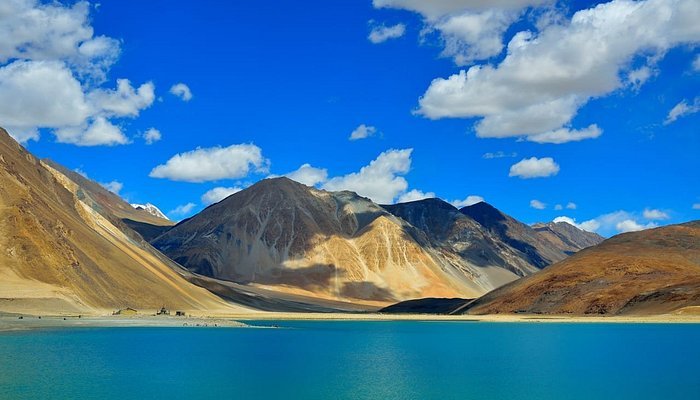
Travelling to Ladakh is a dream for many — dramatic high-altitude landscapes, stark deserts, turquoise lakes and unique culture. But the region’s high elevations mean Acute Mountain Sickness (AMS) is a real risk for visitors who ascend too quickly. This guide explains what AMS looks like, how to prevent it, how to care for someone affected, and practical travel tips to keep your Ladakh trip safe and enjoyable.
Why Ladakh raises the risk of Acute Mountain Sickness
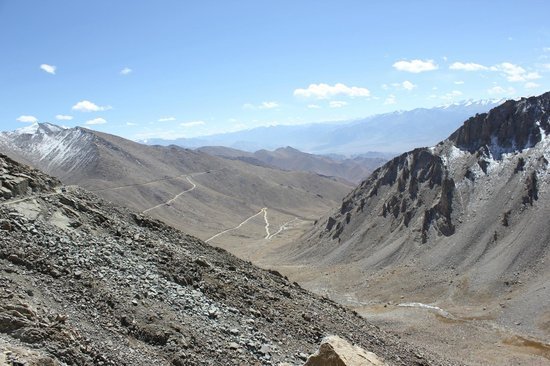
Ladakh sits on the high-altitude Tibetan plateau. Leh, the region’s main town, is around 3,500 metres above sea level, while passes and trekking routes routinely exceed 4,000–5,600 metres. At these heights the air contains less oxygen, and the body needs time to adapt. Rapid ascent — arriving by road from Manali or Srinagar or even flying directly into Leh without adequate rest — increases the likelihood of AMS. Individual susceptibility varies: fit young people can get it, while some older travellers tolerate altitude well.
What is Acute Mountain Sickness?
AMS is a collection of symptoms caused by the reduced oxygen availability at high altitude. Symptoms usually appear within 6–24 hours of ascent and can range from mild to severe. If unrecognised or untreated, AMS can progress to High Altitude Pulmonary Oedema (HAPE) or High Altitude Cerebral Oedema (HACE) — both medical emergencies.
Common symptoms of AMS
- Headache — often the earliest and most common sign
- Nausea, vomiting or loss of appetite
- Fatigue and weakness, even after minimal exertion
- Dizziness, light-headedness or difficulty concentrating
- Shortness of breath at rest or with light activity
- Difficulty sleeping or restless sleep
Warning signs of severe altitude illness
- Worsening headache unresponsive to simple analgesics
- Confusion, disorientation or decreased level of consciousness (suggestive of HACE)
- Severe breathlessness, cough producing frothy sputum, or rapid breathing and heart rate (suggestive of HAPE)
- Ataxia — loss of coordination, stumbling or difficulty walking in a straight line
If you or your companion develop any signs of HACE or HAPE, descent to lower altitude and urgent medical attention are essential — these conditions can be fatal.
Prevention: smart planning for a safe Ladakh trip
Prevention is the most effective strategy. You cannot rush acclimatisation, but you can plan your itinerary, behaviour and medical kit to lower risk.
Before you travel
- Consult your doctor: discuss pre-existing conditions (heart, lung, pregnancy) and suitability for high-altitude travel. Your doctor can advise on medicines such as acetazolamide if appropriate.
- Fitness matters less than gradual ascent, but preparing with cardiovascular exercise and general conditioning helps.
- Pack a basic altitude kit: a thermometer, paracetamol/ibuprofen, antiemetics, a pulse oximeter to monitor oxygen saturation and pulse, and a portable oxygen cylinder if recommended for remote plans.
Getting there — pace your ascent
- Fly to Leh and rest: arriving by air is fast, so plan 24–48 hours of minimal activity in Leh to acclimatise before sightseeing or trekking.
- Road routes (Manali/Leh or Srinagar/Leh) provide natural staged ascent. Still, avoid rapid gains in sleeping altitude — follow the ‘climb high, sleep low’ principle when possible.
- Avoid long, strenuous activity on the first day after reaching a new high camp or town.
On arrival: habits that help
- Hydration: drink plenty of non-alcoholic fluids; avoid excessive caffeine and alcohol for the first 48 hours.
- Eat light, carbohydrate-rich meals to aid respiration and energy.
- Rest more than usual — aim for gentle walks rather than long hikes on day one.
- Sleep in a well-ventilated room. If you have sleep-disordered breathing or severe snoring, discuss precautions with your doctor.
Medications and tools commonly used
Do not start prescription medications without consulting a physician. Here are commonly discussed options:
Acetazolamide (Diamox)
Acetazolamide can help prevent AMS by speeding acclimatisation. Typical use is a low dose starting a day before ascent and continuing for a few days. It has side effects (tingling, increased urination, taste changes) and is unsuitable for those allergic to sulfa drugs. Discuss with your doctor.
Dexamethasone
Dexamethasone is a steroid used to treat severe AMS or HACE; it is not a first-line preventive drug. It should only be taken under medical advice and awareness of side effects.
Pulmonary medications
Nifedipine and other drugs may be used to treat HAPE under medical supervision. Portable oxygen can be lifesaving in emergencies and at many Ladakh clinics and larger hotels.
Recognising and managing AMS in the field
If symptoms appear, act promptly. Early management often prevents progression.
Immediate steps for mild to moderate AMS
- Stop ascent and rest — do not gain further altitude until symptoms fully resolve.
- Use simple measures: rest, paracetamol/ibuprofen for headache, anti-nausea medicines as needed, and ensure good hydration and carbohydrate intake.
- Monitor symptoms and oxygen saturation if you have a pulse oximeter. Mild AMS may improve within 24–48 hours with rest.
- Consider starting acetazolamide if previously advised by your physician and symptoms are persistent.
When to descend or seek medical help
- Immediate descent is required if symptoms worsen or any signs of HACE/HAPE appear (confusion, ataxia, breathlessness at rest, cough with frothy sputum).
- Contact the nearest medical facility, guesthouse operator or tour leader. Many popular Ladakh stops like Leh, Nubra Valley and Pangong have clinics or access to emergency transport.
- Administer supplemental oxygen if available and trained to do so, and arrange evacuation to lower altitude promptly.
Special populations: children, pregnant travellers, chronic illness
Caution is essential for certain groups:
- Children may develop AMS quickly and can be less able to communicate symptoms. Keep activity low, and consult a paediatrician before travel.
- Pregnant travellers should consult their obstetrician; high altitude can pose risks in pregnancy and many providers advise against travel to very high locations.
- People with heart, lung or serious chronic illnesses must get clear medical clearance. Some conditions increase the risk of complications at altitude.
Practical tips for touring Ladakh safely
- Allow acclimatisation days in Leh and avoid rapid ascents to high passes on the same day as arrival.
- Choose reputable tour operators who build acclimatisation into itineraries and can arrange medical help or evacuation if needed.
- Carry travel insurance that covers high-altitude evacuation and medical care in India.
- Keep your companions informed about AMS signs and your medical plan; a buddy system helps in remote areas.
- Consider renting or buying a portable oxygen cylinder and a pulse oximeter for remote treks, but remember these are adjuncts — descent is the definitive treatment.
Healthcare in Ladakh: what to expect
Leh has hospitals and clinics capable of managing many altitude-related issues; however, medical facilities in remote valleys and passes are limited. Evacuation by road or air to Leh or a bigger centre may be necessary. Private and government-run facilities exist, and some travel operators maintain contacts for emergency transfers. Always have a contingency plan before heading into remote areas.
Checklist before you go
- Medical consultation and clearance if you have pre-existing conditions.
- Medication plan: acetazolamide prescription if advised, and awareness of side effects.
- Pulse oximeter and basic first-aid kit
- Appropriate clothing, layered for cold nights and sunny days
- Travel insurance covering high-altitude evacuation
- An itinerary that allows gradual ascent and rest days
With sensible planning and awareness, most travellers enjoy Ladakh without serious problems. Respect the altitude, listen to your body, and prioritise safety over ambition — the mountains will still be there for another day.
Safe travels and enjoy the unique beauty of Ladakh — prepared, patient and well-acclimatised.