7-Day Uttar Pradesh Itinerary Covering Varanasi, Prayagraj and Ayodhya
A practical 7-day Uttar Pradesh itinerary that weaves the spiritual and cultural highlights of Varanasi, Prayagraj and Ayodhya with travel tips, transport options, food recommendations and daily plans.
By TravMe travel team · · 7 min read
This 7-day Uttar Pradesh itinerary takes you through three of the state's most evocative cities — Varanasi, Prayagraj and Ayodhya — blending dawn rituals, river cruises, historic temples and contemplative walks. Designed for first-time visitors and repeat travellers who want a compact, meaningful trip, this plan balances sightseeing with time to absorb the spiritual atmosphere.
Overview and how to use this itinerary
This plan assumes arrival by rail or flight into Varanasi or Prayagraj and includes comfortable but focused days with time for sunrise rituals, short excursions, local food and leisurely evenings. Each day lists morning, afternoon and evening suggestions, plus tips for transport and what to pack for that day. You can adapt the order depending on train/flight schedules.
Best time to visit
The ideal months are October to March when the weather is cool and pleasant — perfect for early-morning boat rides on the Ganges and long walks. Summers can be hot and humid, while the monsoon season brings heavy rains that can disrupt river activities. Festivals like Diwali, Dev Deepawali and Ram Navami are spectacular times to visit, but expect larger crowds and booked accommodation.
Day-by-day itinerary
Day 1: Arrival in Varanasi — Settle in and first glimpse of the Ganges
Morning: Arrive in Varanasi and check into your hotel or guesthouse near the ghats. Freshen up and take a short walk to get oriented.
Afternoon: Explore the narrow lanes of the old city. Visit Kashi Vishwanath Temple (note the entry procedures) and nearby markets selling silk, incense and handicrafts. Take care of modest dress and temple rules.
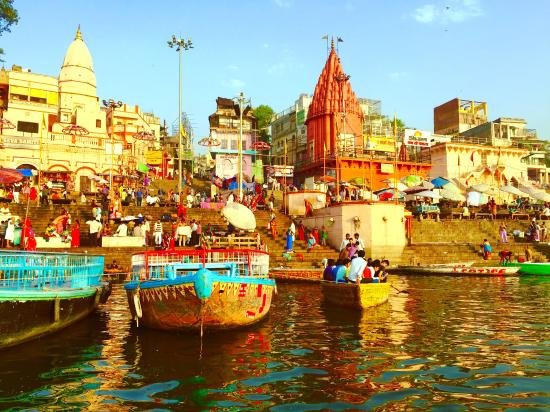
Evening: Experience the Ganga Aarti at Dashashwamedh Ghat — arrive early for a good spot. After the ceremony, walk along the ghats to watch life on the river and try a light local snack from a shop that maintains hygienic practices.
Day 2: Sunrise boat ride, Banaras exploration and cultural evening
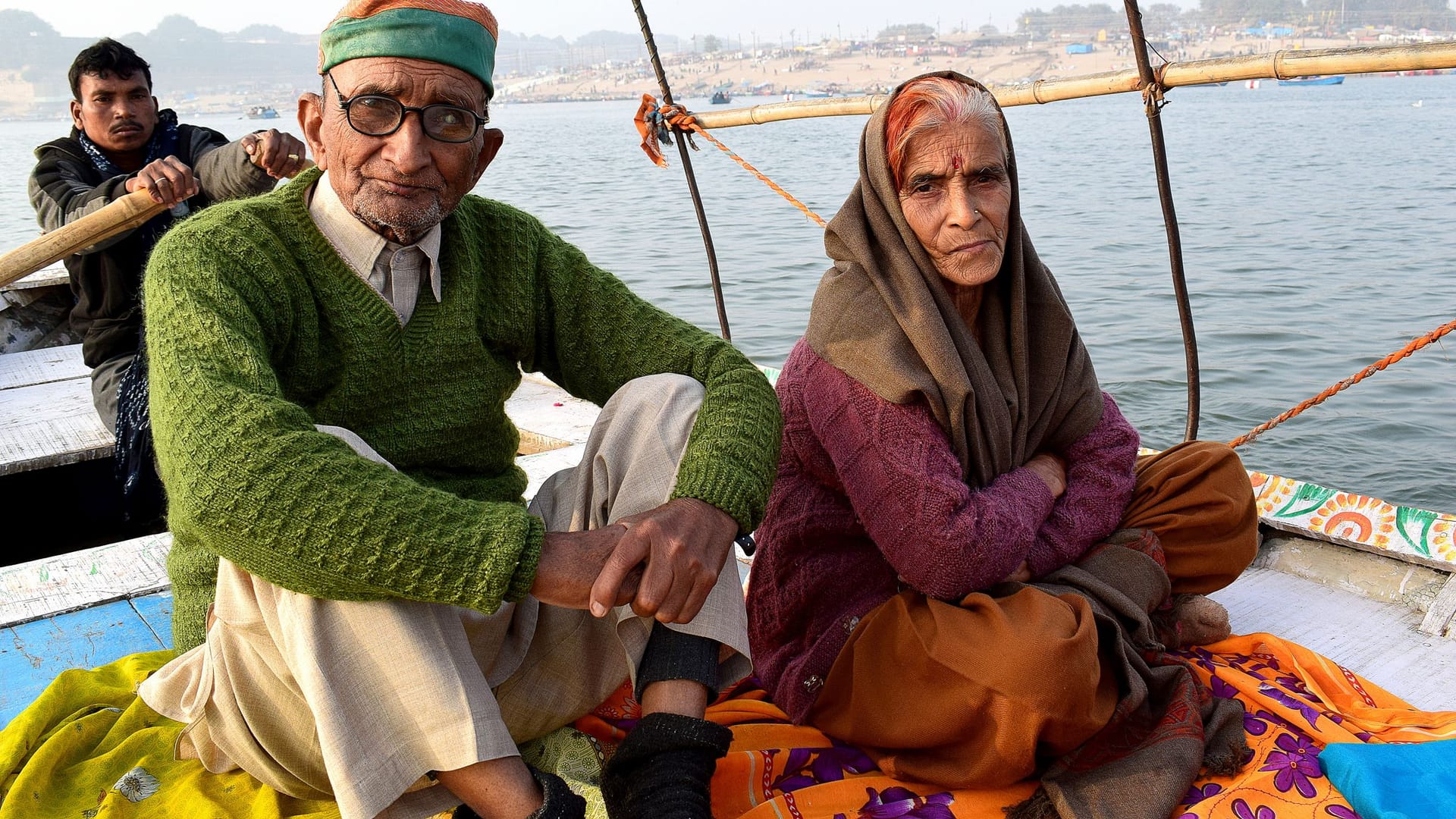
Morning: Take a sunrise boat ride on the Ganges to see the ghats come alive with rituals, bathing, and mendicant prayers. The boat ride offers unique photographic opportunities and a deeper understanding of daily life here.
Afternoon: Visit Sarnath, 10–13 km from Varanasi, where the Buddha gave his first sermon. The site includes archaeological remains and a museum with well-preserved sculptures.
Evening: Attend a classical music recital or an evening at a local cultural centre to hear Banarasi music. Try a thali dinner featuring local flavours in a reputable restaurant.
Day 3: Varanasi — Markets, temples and a pottery village
Morning: Wander through the old city markets — Vishwanath Gali and Thatheri Bazar — for Banarasi silk, jewellery and brassware. Visit the Manikarnika and Harishchandra ghats for contextual learning about cremation practices, but maintain respectful distance and behaviour.
Afternoon: Head to the pottery village of Lahurabir or a nearby artisan hub to observe traditional potters at work. This is a quieter side of Varanasi away from the main tourist stretches.
Evening: Relax at a rooftop cafe overlooking the ghats, watching the sunset and preparing for onward travel the next morning.
Day 4: Travel Varanasi to Prayagraj (Allahabad) — Confluence and colonial heritage
Morning: Check out and travel to Prayagraj by train or private car. The journey gives you a glimpse of rural and small-town Uttar Pradesh.
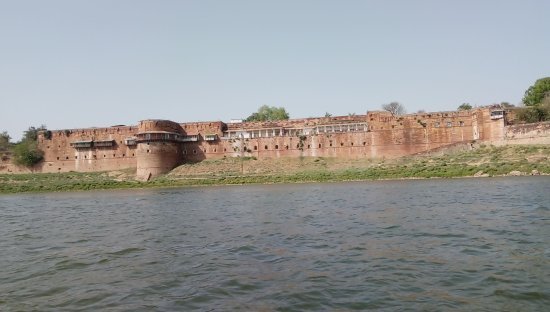
Afternoon: Arrive in Prayagraj and settle in. Visit the Allahabad Fort precincts and walk down to the Sangam area — the sacred confluence of the Ganga, Yamuna and the mythical Saraswati. There are controlled vantage points to view the Sangam; follow the guidance of local authorities for access.
Evening: Take a calm riverside walk or visit a local temple. Prayagraj has an understated colonial-era charm — explore the markets and try regional street food from clean, busy stalls.
Day 5: Prayagraj — Sangam, temples and Khusro Bagh
Morning: Plan an early visit to the Sangam for a devotional or reflective experience. If interested in ritual bathing, go with guidance and prepare for crowds on festival days.
Afternoon: Visit Khusro Bagh, a serene Mughal garden complex with tombs and shaded paths, and Anand Bhawan, the Nehru family home turned museum that provides a view into modern Indian history.
Evening: Enjoy a relaxed dinner and prepare for road travel to Ayodhya the next day. Keep an overnight bag handy since travel times vary with traffic.
Day 6: Travel to Ayodhya — Ram Katha, temples and old city
Morning: Depart early for Ayodhya by road. On arrival, check into a hotel near the Ram Janmabhoomi area for convenience.
Afternoon: Visit the Ram Janmabhoomi complex and nearby temples. The site has seen major developments in recent years, and access may be regulated; follow signage and instructions from local authorities.
Evening: Walk through the old city lanes, stop at local sweet shops for regional specialties, and if available, attend an aarti near the Sarayu river. Ayodhya’s ambiance is devotional and contemplative, so maintain decorum.
Day 7: Ayodhya — Temples, riverfront and departure
Morning: Start with a peaceful riverfront walk along the Sarayu at dawn. Visit Hanuman Garhi, Kanak Bhawan and other historic temples in the area. Take time for personal reflection and photography where permitted.
Afternoon: Shop for local souvenirs such as religious items, books and handicrafts. Check transport arrangements for your onward journey to the nearest railhead or airport.
Evening: Depart Ayodhya or stay one more night if your schedule allows. If you have time, enjoy a final evening meal featuring Awadhi cuisine classics like kebabs and fragrant biryanis at a reliable restaurant.
Transport tips and getting around
- Trains connect Varanasi, Prayagraj and Ayodhya with good frequency; reserved seats are advisable. For convenience and flexibility, consider private car transfers, especially for door-to-door travel between cities.
- Within cities, auto-rickshaws, cycle-rickshaws and app-based taxis are common. In Varanasi, many lanes are pedestrian-only — be prepared to walk or use local carriers for short distances.
- Boat rides on the Ganges in Varanasi are best booked through your hotel or a licensed operator. Early morning trips are most rewarding.
Where to eat and what to try
Uttar Pradesh offers rich culinary traditions. In Varanasi, try kachori sabzi, chena ghugni and Banarasi paan. Prayagraj has hearty North Indian fare and festival sweets, while Ayodhya is known for Awadhi-style kebabs and mithai. Prefer busy, well-reviewed outlets and bottled water. If you have dietary restrictions, communicate clearly and ask about preparation methods.
Accommodation suggestions and neighbourhoods
Choose neighbourhoods close to the ghats in Varanasi, near the Sangam or Civil Lines in Prayagraj, and near Ram Janmabhoomi in Ayodhya for convenience. Options range from heritage guesthouses and mid-range hotels to modern chains. Book in advance during peak festival seasons.
Cultural etiquette and safety
- Dress modestly for temple visits: shoulders and knees covered. Carry a scarf or shawl for quick coverage.
- Respect religious practices, avoid photographing people in vulnerable moments without permission, and follow signage at sacred sites.
- Keep valuables secure, use hotel safes where available, and prefer registered taxis or ride-hailing services after dark.
Packing checklist
- Lightweight, modest clothing and comfortable walking shoes
- Shawl or scarf for temple visits and cool evenings
- Sunscreen, hat, reusable water bottle and basic medicines
- Power bank, photocopies of important documents and a small first-aid kit
Tip: Keep some small notes and coins handy for offerings at temples and for tipping boatmen, guides and drivers. A respectful, low-key approach enhances interactions.
Health considerations
Drink bottled or filtered water and avoid raw street salads if you have a sensitive stomach. Carry any prescription medication with you and consult local health services in case of emergencies. If you plan long outdoor activities, especially in summer, hydrate frequently and limit strenuous activity during peak heat.
Final practical advice
Allow flexibility in your schedule — traffic, rituals, and local events can change plans. Engage with local guides for deeper context, especially at historical and archaeological sites. Keep travel documents and contact numbers handy and share your itinerary with someone back home.
With this seven-day plan, you’ll experience the devotional intensity of Varanasi’s ghats, the historic gravity of Prayagraj’s Sangam, and the mythic resonance of Ayodhya. Travel slowly between sites when possible, savour the regional cuisine, and leave room for personal moments of reflection.
Conclusion: This compact Uttar Pradesh itinerary is crafted to give you spiritual insights, cultural depth and practical travel guidance. Whether you seek pilgrimage, history or simply a transformative journey along India’s sacred rivers, these seven days will leave you with lasting memories and a richer understanding of this heartland.