7-Day Ladakh Itinerary With Nubra Valley and Pangong Lake
A practical, day-by-day 7-day Ladakh itinerary covering acclimatisation in Leh, a scenic drive over Khardung La to Nubra Valley, a visit to Turtuk and a sunrise at Pangong Lake with travel tips and packing advice.
By TravMe travel team · · Updated · 6 min read
Ladakh is a land of high passes, stark mountains and mirror-like lakes. This 7-day itinerary balances acclimatisation, culture and the two classics — Nubra Valley and Pangong Lake — giving you time to soak in the landscapes without rushing at altitude.
Overview and key tips
This plan assumes you fly into Leh and use Leh as a base for the first night. Travel in Ladakh involves high-altitude passes, unsealed roads and rapidly changing weather. Keep the first 24–48 hours easy to acclimatise, drink plenty of water, and avoid strenuous activity on arrival. Obtain Inner Line Permits (ILP) for places like Nubra, Pangong and Tso Moriri — these are usually arranged through your hotel or agent in Leh.
Best time to visit
- June to September: Main tourist season — roads open, clear skies, accessible passes.
- May and October: Shoulder months — fewer crowds but cooler nights; some snow may remain on passes in May.
How to travel
Most visitors fly to Leh from Delhi or other major cities. Within Ladakh, travel by hired SUV or shared taxis is common. For safety and convenience, book a 4x4 with an experienced driver familiar with high-altitude driving. Keep fuel and cash handy — fuel stations are limited and card facilities are not always available.
Day-by-day 7-day itinerary
Day 1: Arrive Leh — rest and gentle exploration
Arrive in Leh (3,500m) and transfer to your hotel. Spend the day resting to acclimatise. Short walks around the Leh Market and Leh Palace are fine if you feel ok. Avoid heavy exercise, alcohol and smoking. Sip warm fluids, eat light meals and get an early night.
Day 2: Leh local sightseeing — acclimatisation day
Use this day for light sightseeing: Namgyal Tsemo Monastery, Shanti Stupa at sunset and the colourful Leh Market. Keep activities relaxed and limit walking to short distances. Your hotel or local agent can arrange permits for Nubra and Pangong — ensure these are ready before you depart on day 3.
Day 3: Leh to Nubra Valley via Khardung La (approx 125–150 km, allow full day)
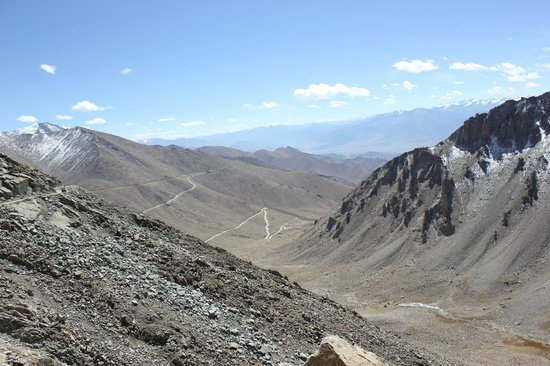
Prepare for an early departure. The drive over Khardung La (one of the world’s highest motorable passes) is dramatic. Stop for photos and acclimatisation if needed. Descend into Nubra Valley, an oasis of poplars and apricot orchards. Base yourself in Diskit or Hunder.
- Visit Diskit Monastery and the giant statue of Maitreya Buddha.
- Explore Hunder sand dunes — consider a short camel ride on Bactrian camels for the desert feel.
Day 4: Nubra Valley exploration — Turtuk or local villages
Spend another relaxed day in Nubra. If permits and road conditions allow, drive to Turtuk — a border village with Balti culture, terraced fields and warm hospitality. Otherwise, explore local villages, tributary valleys and the confluence of the Shyok and Nubra rivers. Enjoy a sunset over the arid mountains.
Day 5: Nubra to Pangong Lake via Shyok and Tanglang La (long drive)
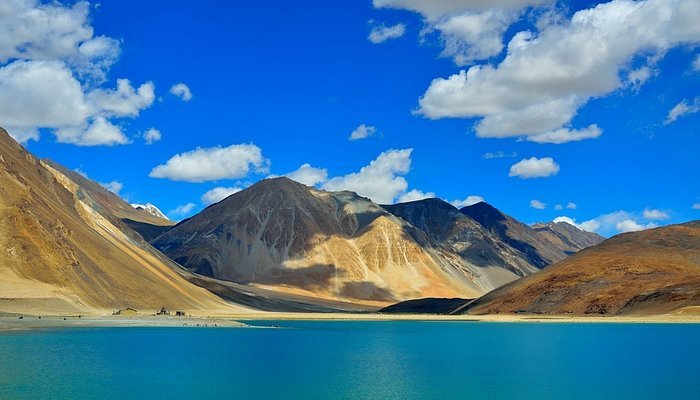
Today’s drive is long but scenic as you cross back over Khardung La (or the alternate road depending on conditions) and proceed towards Pangong Lake. Expect varied landscapes — stark ridges, salt flats and river valleys. Arrive at Pangong and settle into lakeside accommodation. Evening light on the lake is magical; take a gentle walk along the shores.
Day 6: Sunrise at Pangong and return to Leh
Wake early for sunrise — the colours on Pangong change dramatically from pale blues to vivid turquoise and pink as the light shifts. After breakfast, start the drive back to Leh. The return trip gives you another chance to photograph the high passes and stop at roadside viewpoints. Arrive in Leh by evening and relax.
Day 7: Leh — departure or optional excursions
Depending on your flight or onward plans, use this day to shop for souvenirs, visit nearby monasteries you missed earlier, or take a short trip to the Indus Valley or Shey Palace. Ensure you arrive at Leh airport well before your flight — weather-related delays can cause schedule changes.
Practical planning and permits
- Inner Line Permits (ILP): Required for Nubra, Pangong and other sensitive areas. Hotels and registered travel agents usually help secure them.
- Vehicle permits: Vehicle entry permits are often included with the ILP for organised tours; verify before you travel.
- Road conditions: Mountain roads can be rough. Check local updates for closures due to landslides or snow.
- Local bookings: In peak season, book accommodation and drivers in advance, especially for Pangong lakeside stays.
Health, safety and acclimatisation
Altitude sickness is the key concern. Symptoms include headache, nausea, fatigue and loss of appetite. To reduce risk:
- Spend the first day resting in Leh; avoid heavy exertion.
- Hydrate constantly and eat small, frequent meals.
- Avoid alcohol and sedatives for the first 48 hours.
- Consider prophylactic medication if recommended by your doctor.
- If symptoms worsen (shortness of breath at rest, confusion, persistent vomiting), descend immediately and seek medical help.
Packing checklist for Ladakh
- Layered clothing: warm base layers, fleece, down jacket and windproof shell.
- Good walking shoes and a lightweight pair of sandals for evenings.
- Sunglasses, sunscreen (high SPF) and a wide-brim hat — UV is intense at altitude.
- Water bottle with a filter or purification tablets; stay hydrated.
- Basic first-aid kit, prescribed medicines and medication for altitude if advised by a doctor.
- Power banks, extra camera batteries and memory cards — charging opportunities may be limited.
- Cash in small denominations for local purchases and tips.
Where to eat and stay
Leh offers a range of guesthouses, hotels and cafes serving Tibetan, Ladakhi and Indian cuisine. In Nubra and around Pangong, options are simpler — guesthouses, homestays and basic camps. If you prefer comfort, book lodges that advertise hot water and heating, but be prepared for rustic charm in many lakeside stays.
Photography tips
- Carry a spare battery and memory card; cold drains batteries faster.
- Use a polariser to deepen blue skies and manage reflections on the lake.
- Shoot sunrise and sunset for the best light at Pangong and the valleys.
- Respect local people — ask permission before photographing close-up portraits.
Travel slowly in Ladakh: the landscape rewards those who pause to breathe it in.
Optional extensions
If you have more time, consider extending to Tso Moriri, or adding a day for trekking around Markha Valley or to Hemis Monastery’s higher reaches. Each extra day reduces pressure and gives you richer encounters with local culture and landscape.
Conclusion
This 7-day Ladakh itinerary gives you the essentials: time to acclimatise in Leh, a memorable ride over Khardung La to Nubra Valley, cultural glimpses in Diskit and Turtuk, and the unforgettable experience of sunrise at Pangong Lake. Plan conservatively, respect altitude limits and leave room for serendipity — Ladakh’s greatest gifts are often unplanned moments of quiet beauty.