12-Day Ladakh Itinerary Covering Zanskar and Kargil
A practical 12-day Ladakh itinerary that links Leh, Zanskar and Kargil with acclimatisation tips, transport options, daily highlights and essential travel advice for a safe high-altitude journey.
By TravMe travel team · · 7 min read
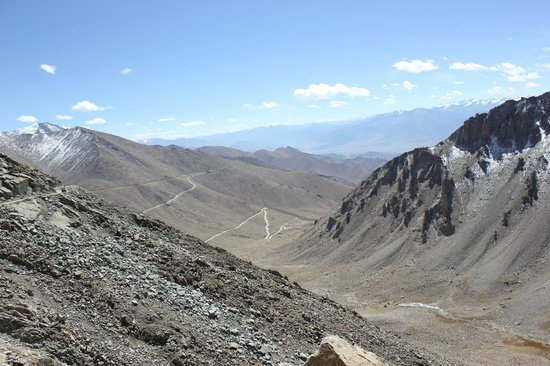
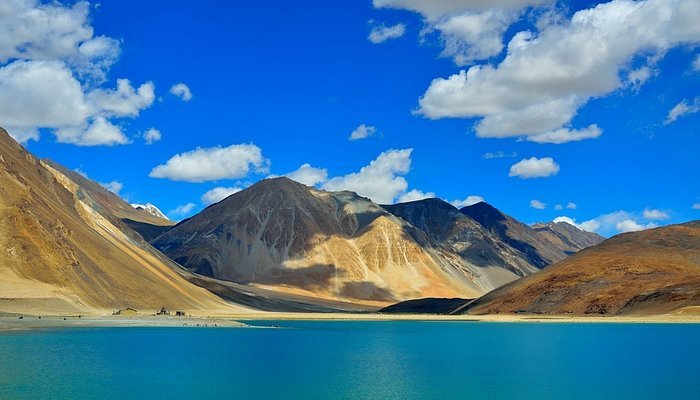
Ladakh’s stark beauty, turquoise rivers and high mountain passes draw travellers looking for dramatic landscapes and spiritual solace. This 12-day itinerary combines the classic Leh circuit with an immersive excursion to Zanskar and a cultural stop at Kargil, paced for acclimatisation and realistic travel times.
Quick overview and who this is for
This plan suits moderately fit travellers who want a balanced mix of sightseeing, short hikes, river views and cultural experiences across Leh, Zanskar and Kargil. It builds in acclimatisation days, avoids overly long drives on consecutive days where possible, and offers alternatives for monsoon or winter season constraints.
When to go and permits
The best time to attempt this route is between late May and September when most passes are open and weather is comparatively stable. Roads to Zanskar (especially via Padum or Darcha) are often closed in winter due to snow. Always check current road and weather conditions before planning.
Permits: Indian nationals need an Inner Line Permit (ILP) for certain restricted areas in Ladakh; foreigners require Protected Area Permits (PAP). Zanskar’s remote sections can require additional local permits. Apply well in advance through the Leh DC office or authorised tour operators.
Acclimatisation and health
Leh sits around 3,500 metres — altitude sickness is real. Plan at least 48 hours for initial acclimatisation, drink plenty of water, avoid alcohol and heavy exertion on arrival. Carry a basic altitude first-aid kit (acetazolamide if prescribed by your doctor, paracetamol, ORS, pain relief, blister plasters). If you experience severe symptoms (persistent vomiting, confusion, breathlessness), descend immediately and seek medical help.
Getting there and local transport
There are two common approaches to reach Leh: fly into Kushok Bakula Rimpochee Airport (Leh) or drive via the Manali‑Leh or Srinagar‑Leh highways when open. For this itinerary, we assume arrival into Leh and use a mix of taxis, shared cabs and local operators for the Zanskar leg.
For Zanskar, options include a road route via Kargil and Darcha (seasonal) or the Srinagar–Padum route; many travellers join a guided trip from Leh that handles permits, local drivers and logistics. Vehicles suitable for high-altitude, rough roads and experienced drivers are essential.
Day-by-day itinerary
Day 1: Arrival in Leh — rest and light exploration
Arrive in Leh, transfer to your hotel or guesthouse. Rest, hydrate and keep activity minimal. In the late afternoon, take a gentle walk around Leh Market, visit Shanti Stupa for panoramic sunset views and get your first feel of the thin air.
Day 2: Acclimatisation — monasteries and local walks
Use this day to acclimatise further. Visit Leh Palace, Sankar Gompa and H.H. the Dalai Lama’s Temple (Samstanling Monastery) if open. Short walks along the Indus or a gentle visit to the Shey and Thiksey monasteries (if you have a private vehicle) are ideal. Avoid strenuous treks.
Day 3: Leh to Alchi and back (half-day) — scenic cultural ride
Drive to Alchi by morning, stopping at Basgo and Likir monasteries en route. Alchi is famed for ancient wall paintings and a relaxed riverside setting. Return to Leh by evening. This short excursion adds cultural depth without altitude strain.
Day 4: Leh to Lamayuru via Magnetic Hill and Magnetic Pass
Depart early for Lamayuru; stop at the famed Magnetic Hill and the confluence at Nimu if time permits. The lunar landscape of Lamayuru Monastery is spectacular. Overnight at Lamayuru or back in Leh depending on your pace; staying there reduces the next day’s driving.
Day 5: Leh to Kargil — cross Fotu La and Mulbekh
Head west along the Indus Valley to Kargil. Visit Mulbekh Chamba, and if time permits, the Suru Valley entry. Kargil has a different cultural flavour and is a gateway to Zanskar. Overnight in Kargil with a chance to sample local cuisine and interact with residents.
Day 6: Kargil to Padum (Zanskar) or to Rangdum depending on route
From Kargil you have two main approaches to Zanskar: via the Suru Valley toward Rangdum and then to Padum (long, rough drive), or continue toward Darcha and take the Darcha–Padum road (seasonal). Choose based on road conditions and driver experience. Padum is Zanskar’s main town — a rustic base with simple guesthouses.
Day 7: Explore Padum and nearby monasteries
Spend a day in and around Padum visiting Karsha and Bardan monasteries, the colourful local markets and the banks of the Zanskar River. If you prefer active options, short walks along the river or to nearby viewpoints are rewarding without being strenuous.
Day 8: Zanskar valley sights and village visits
Take a road or jeep excursion to the surrounding villages like Stongde, Pensi La viewpoints or join a guided homestay visit for immersion in Zanskari life. This is your chance to experience remote Himalayan hospitality and learn about trans-Himalayan farming practices.
Day 9: Return toward Kargil with photo stops
Begin the journey back to Kargil or the connecting highway. The drive offers views of dramatic gorges and river confluences. Break up the drive with stops for tea, photography and short walks to freshen up.
Day 10: Kargil to Drass and back to Leh
Drive east toward Drass (the second-coldest inhabited place in the world) and then onward to Leh. Visit the Kargil War memorial en route if you wish to reflect on the region’s recent history. Expect variable weather and be prepared for slower-than-expected travel times on certain stretches.
Day 11: Leisure day in Leh — shopping and short hikes
Rest day in Leh to recover from road travel. Explore local bakeries, pick up Pashmina shawls and handicrafts, and enjoy a short hike to Tsemo Gompa for sunset. This buffer day is useful in case of earlier delays or to catch flights the next morning.
Day 12: Departure from Leh
Depending on your flight schedule, you may have a final walk through the markets or a calm breakfast overlooking the town. Ensure you reach the airport early as procedures can take longer at high-altitude smaller airports.
Accommodation and food tips
Lodging ranges from guesthouses and homestays to comfortable hotels in Leh. In Padum and Kargil, options are basic and focus on warmth and hospitality rather than luxury. Book Leh accommodation in advance during peak season.
Food options include local Ladakhi, Tibetan and North Indian cuisines. Carry snacks and ORS for long drives; roadside dhabas may have limited choices but serve hearty meals like thukpa, momos and rice dishes.
Packing checklist
- Layered clothing: thermal base layers, fleece, windproof jacket, warm hat and gloves.
- Good trekking shoes and sandals for evenings.
- Sunglasses, sunscreen, lip balm and a broad-brimmed hat.
- Basic medicines, altitude medication if prescribed, rehydration salts and a small first‑aid kit.
- Water purification tablets or a reliable filter, power bank and spare camera batteries.
- Copies of permits, ID, travel insurance details and emergency contact numbers.
Safety, responsible travel and local etiquette
Respect local customs: ask before photographing people or religious sites, remove shoes in gompas when required, and dress modestly. Avoid single-handedly trekking into remote areas without a guide or permits. Keep plastic waste to a minimum — carry a small bag to bring non-biodegradable trash back to Leh where disposal options are better.
Mobile connectivity is patchy in remote Zanskar; inform someone of your daily plan and expected check-in times. Support local businesses and homestays where possible to contribute directly to community economies.
Alternate options and variations
If road access to Padum is closed, consider a longer Srinagar–Leh–Kargil loop with a day trip to Zanskar’s edge or a shorter Zanskar river rafting segment (seasonal and requires specialist operators). For trekkers, extending the trip to include a section of the Chadar (frozen river trek) or Stok Kangri (climbing, subject to permits and season) requires additional days and specialist guidance.
Packing up: final practicalities
Keep extra days in hand as buffer for road or weather delays. Always carry local cash since ATMs are limited outside Leh, and check your bank’s international card settings if you’re travelling from abroad. Reconfirm flights and vehicle bookings two days before departure.
With careful pacing and respect for the high-altitude environment, this 12-day route gives a strong sense of Ladakh’s landscapes, the remote beauty of Zanskar and the cultural contrasts at Kargil. Travel prepared, stay flexible, and let the region’s quiet grandeur set your pace.
Safe travels — and enjoy every twist in the road between the mountains.