10-Day Ladakh Itinerary: Leh, Nubra, Pangong and Tso Moriri
A practical 10-day Ladakh itinerary covering Leh, Nubra Valley, Pangong Tso and Tso Moriri with acclimatisation tips, travel logistics, sightseeing, and packing advice for a smooth high-altitude trip.
By TravMe travel team · · 6 min read
Ladakh is an otherworldly blend of high-altitude deserts, turquoise lakes, ancient monasteries and dramatic mountain passes. This 10-day itinerary focuses on Leh, Nubra Valley, Pangong Tso and Tso Moriri, paced to respect acclimatisation while letting you experience the region's best sights and local culture.
How to use this itinerary
This plan assumes you arrive in Leh by air or road. We prioritise gradual ascent, daytime sightseeing and sensible travel times. If you’re driving from Manali or Srinagar, add extra days for the road transfer. Keep flexibility for weather and health — particularly altitude sickness.
Day 0 — Arrive in Leh (rest and acclimatise)
Arrive at Leh Kushok Bakula Rimpochee Airport or drive in from the plains. Spend the day resting, sipping warm fluids and avoiding strenuous activity. Walk gently around the market and let your body adapt to the nearly 3,500 m altitude.
- Stay hydrated and avoid alcohol and heavy meals.
- Take light walks around Leh Bazaar or the Leh Palace precinct.
- Consider a medical check-up if you feel unwell — many hotels can arrange it.
Day 1 — Leh local: monasteries and markets
Spend a relaxed day exploring Leh’s highlights. Visiting monasteries at low exertion is ideal during early acclimatisation.
- Morning: Shanti Stupa for sunrise, then a gentle walk to Leh Palace viewpoint.
- Midday: Visit the colourful Thiksey and Shey Monasteries if you feel up to a short drive; otherwise, stay within Leh town.
- Evening: Stroll through Leh Market, shop for pashminas, handicrafts and local snacks.
Day 2 — Leh to Nubra Valley via Khardung La
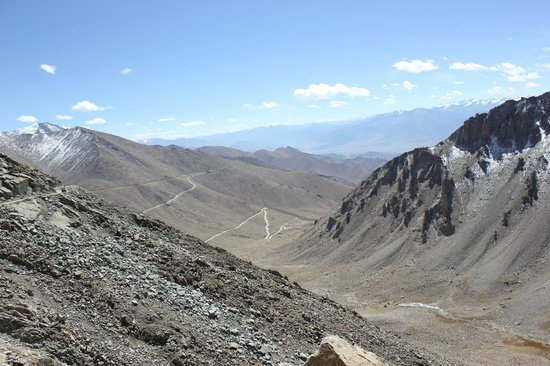
Drive to Nubra Valley, crossing Khardung La — one of the highest motorable passes. This route opens panoramic vistas of high deserts and remote hamlets.
- Start early to avoid afternoon winds and enjoy clearer skies.
- Stop at the Khardung La viewpoint for photos and brief acclimatisation breaks.
- Arrive in Hunder/ Diskit by late afternoon. Check into your accommodation and relax.
Nubra highlights
- Diskit Monastery and the giant Maitreya statue overlooking the valley.
- Bactrian camel rides on the Hunder sand dunes at sunset.
Day 3 — Nubra Valley exploration
Use this day to explore Nubra’s villages and landscapes at an easy pace.
- Visit Turtuk or Panamik if road permits allow — both are culturally rich and scenic. Turtuk offers Balti culture near the Pakistan border.
- Soak in the hot springs at Panamik if open and in good condition.
- Enjoy local Ladakhi and Balti cuisine in the evening.
Day 4 — Nubra to Pangong Tso via Shyok
Today is a long but spectacular drive to Pangong Tso. The route via Shyok River and Saser La brings dramatic landscapes. Expect rough patches and dusty roads in parts.
- Start early and carry snacks, water and layered clothing.
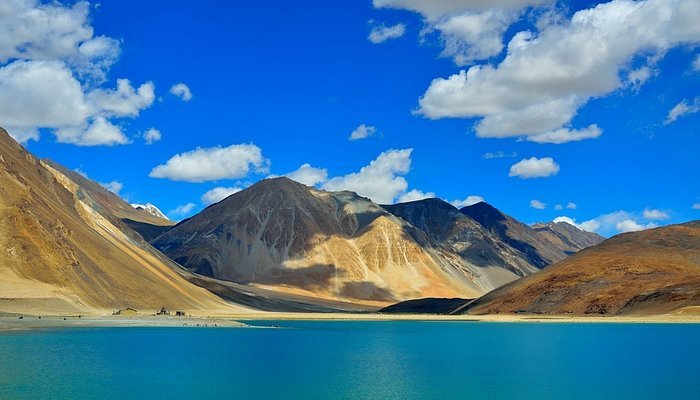
- Arrive at Pangong Tso by late afternoon — watch the light change the lake’s colours at sunset.
- Overnight in camp or guesthouse near the lake.
Day 5 — Pangong Tso and return to Leh
Enjoy sunrise at Pangong Tso, then return to Leh via Chang La and Karu. The morning light on the lake is magical and worth the early start.
- Photographers should plan to be on the lakeshore before dawn.
- Drive back to Leh with stops at small villages and viewpoints; return by evening.
Day 6 — Rest day in Leh / Reserve day
Use this extra day to rest, catch up on sleep, or pursue any missed Leh activities. This buffer helps counter any delays earlier in the trip.
- Optional visits: Hemis Monastery, Stok Palace, or the Central Asian Museum.
- Shop for souvenirs and prepare for the long drive to Tso Moriri.
Day 7 — Leh to Tso Moriri (via Mahe/Chumathang)
Drive to Tso Moriri, a quieter and more remote high-altitude lake than Pangong. The landscapes become progressively wilder and less populated.
- Stop at Chumathang for its hot springs and quick refreshment if time allows.
- Arrive in Korzok village by late afternoon. Enjoy walking along the lakeshore to watch the evening reflections.
Day 8 — Tso Moriri nature and village life
Relax at Tso Moriri and immerse in quiet high-altitude nature. This is a day for slow walks, birdwatching and village interactions.
- Spot migratory birds and endemic species; local guides can help identify wildlife.
- Visit Korzok Monastery and learn about Changpa nomads’ yak herding traditions.
Day 9 — Tso Moriri to Leh
Return to Leh, taking in one last stretch of stark landscapes. Arrive in Leh by evening and enjoy a celebratory meal.
- Break up the drive with rest stops and photo opportunities.
- Do final shopping, postcards or a relaxed evening at a cafe.
Day 10 — Depart Leh
Depending on your flight or onward travel, you may have time for a short morning walk or a visit to a local market before heading to the airport or starting your road journey back.
Permits and paperwork
Indian nationals typically need an Inner Line Permit (ILP) for certain restricted areas in Ladakh, and foreign nationals require Protected Area Permits (PAP) for many places. Check current requirements before travel and carry photo ID, passport for foreigners, and multiple photocopies of permits. Many tour operators assist with permits.
Transport tips
- Flights to Leh are the fastest way to start. If driving, allow extra days for Manali-Leh or Srinagar-Leh routes and road closures.
- For intra-Ladakh travel, shared jeeps, private cabs and motorbikes are common. Hire experienced drivers familiar with high-altitude roads.
- Fuel is limited in remote areas. Refuel whenever possible and carry spare fuel if you’re self-driving on long stretches.
Acclimatisation and health
Altitude sickness is the biggest health concern. Take it seriously.
- Follow the rule of gradual ascent: rest for at least 24–48 hours in Leh before heavy travel.
- Stay hydrated, eat light, avoid alcohol and heavy exertion initially.
- Consult a doctor about prophylactic medication for AMS if you have prior risk factors.
- Carry a basic first-aid kit, blister plasters, paracetamol, rehydration salts and any personal medication.
Packing checklist
- Layered clothing: thermal base layers, fleece, windproof jacket and a warm down jacket.
- Good trekking shoes, sunglasses, sunscreen, lip balm and a warm hat.
- Water bottle with filter or purification tablets, high-energy snacks, portable charger and headlamp.
- Copies of permits, ID proofs, travel insurance details and emergency contacts.
Best time to visit
The most reliable months are June to September when passes are open and weather is comparatively stable. Outside these months, heavy snowfall can close passes and many services may be unavailable.
Photography and respectful travel
Ladakh is a photographer’s dream, but be mindful: ask before photographing people, especially in remote villages and monasteries. Respect local customs and dress modestly in religious sites. Minimise waste and follow Leave No Trace principles — Ladakh’s fragile ecosystem depends on responsible tourism.
Tip: Keep some buffer days in your plan. Weather, road conditions and health can alter schedules — flexibility makes the trip far more enjoyable.
Where to stay
Accommodation ranges from basic guesthouses and camps to comfortable hotels in Leh. In Nubra and around the lakes, options are more limited, so book ahead during peak season. Eco-friendly camps and homestays offer memorable stays and cultural interaction.
Conclusion
This 10-day Ladakh itinerary balances sights, travel time and acclimatisation to let you savour Leh, Nubra, Pangong and Tso Moriri without rushing. Travel slowly, listen to your body, and you’ll return with vivid memories of high-altitude skies, serene lakes and enduring mountain hospitality.