6-Day Ladakh Itinerary for First-Time Visitors
A practical 6-day Ladakh itinerary for first-time visitors covering acclimatisation, key sights like Leh, Pangong and Nubra, travel logistics, permits, packing tips and food recommendations to make your trip smooth and memorable.
By TravMe Holidays travel team · · Updated · 6 min read
Ladakh is a land of high passes, stark landscapes and monasteries clinging to cliffs. For first-time visitors, six days offers a compact but satisfying glimpse of its dramatic beauty, culture and unique high-altitude lifestyle. This itinerary balances sightseeing with acclimatisation, sensible travel days and time to soak in the landscapes.
Before you go: permits, best season and acclimatisation
All visitors to Indian Ladakh need an Inner Line Permit (ILP) for certain restricted areas; tourists usually obtain permits at the Leh entry point (e.g., Leh airport or checkposts) or online through official portals. Check current requirements for any additional permits if you plan to visit sensitive border zones. Travel between October and April is limited due to winter closures; the best time to visit is roughly May to September when roads are open and nights, though cold, are bearable.
Acclimatisation is the most important consideration. Leh sits at around 3,500 metres, so plan a relaxed first day, hydrate well, avoid alcohol, and keep activity light. If you have pre-existing health issues, consult your doctor before travel.
How to reach and getting around
Leh is reachable by air from major Indian cities, with flights landing in the Leh Kushok Bakula Rimpochee Airport. Overland options include the Manali-Leh and Srinagar-Leh highways—both spectacular but time-consuming and best for those who allot extra days. Within Ladakh, hiring a private car with a local driver is the most flexible option. Shared taxis and group tours are available for major routes like Leh-Pangong and Leh-Nubra.
Day-by-day 6-day Ladakh itinerary
Day 1: Arrival in Leh — acclimatise and explore locally
Fly into Leh and transfer to your accommodation. Spend the rest of the day resting. Walk gently around Leh Market in the late afternoon to familiarise yourself with the altitude and local services. Keep exertion minimal, drink plenty of water and have light meals. If you feel well, visit the Shanti Stupa around sunset for panoramic views of the town and the surrounding ridgelines.
Day 2: Leh local sightseeing — monasteries and palace
After a relaxed breakfast, take a short sightseeing circuit around Leh. Typical spots include:
- Leh Palace: admire the exterior and the town views; the downhill walk is easier than climbing back up.
- Thiksey Monastery: a fine example of Ladakhi architecture with a large Maitreya Buddha.
- Shey and Basgo: ancient palaces and chortens that offer insight into Ladakh's history.
Keep the day moderate to consolidate acclimatisation. Enjoy Ladakhi cuisine—thukpa, momos and butter tea—at a local eatery. Evening time is good for shopping for pashmina, local handicrafts and prayer flags.
Day 3: Leh to Nubra Valley via Khardung La — sand dunes and monasteries
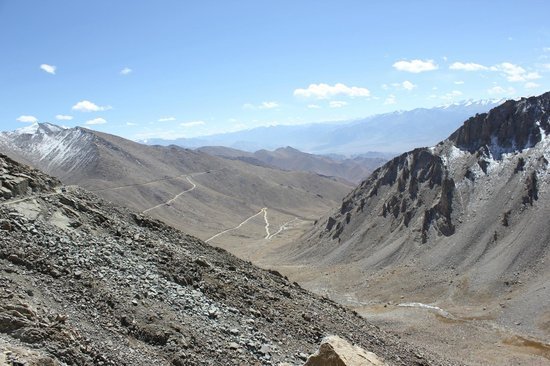
Start early for the drive to Nubra Valley via Khardung La, one of the highest motorable passes in the world. The road is an experience in itself, with stark vistas and switchbacks. Stop for photographs, but be mindful of staying warm and hydrated. In Nubra (Diskit or Hunder), explore:
- Diskit Monastery: towering over the valley with a giant Maitreya statue.
- Hunder Sand Dunes: try a short camel ride on the double-humped Bactrian camels and walk the dunes at sunset.
Overnight in a guesthouse or camp in Nubra. The valley sits at lower altitude than Pangong but remains cold at night.
Day 4: Nubra to Pangong — cross back via Wari La
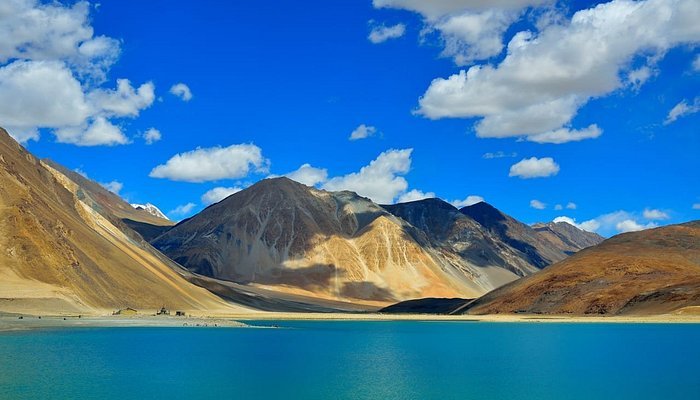
Head back towards Leh and continue to Pangong Tso by crossing scenic passes (routes vary). The drive rewards you with sweeping landscapes and colour-shifting lakes. Arrive at Pangong in the afternoon to catch the changing hues of the lake at sunset—an unmissable moment. Overnight options include camps near the lake; these are simple but atmospheric, so pack warm layers and expectation for basic facilities.
Day 5: Pangong to Leh — optional activities en route
Spend early morning at Pangong for tranquil sunrise views. Later, return to Leh. On the way back you can stop at:
- Chang La viewpoint (if on this route) for another high-pass experience.
- Upshi and Shey for short breaks and refreshments.
Arrive in Leh by evening. Use this day for rest, a spa or gentle strolls in the market. Enjoy a slightly more indulgent meal to celebrate making it through the high-altitude legs of your trip.
Day 6: Optional short trips or depart from Leh
Depending on your flight or onward plans, use your final day for a short trip or last-minute shopping. Options include:
- Tso Moriri day trip (requires extra travel time and may need additional permits)
- Local museum and handicraft shopping
- Relaxed tea and photo walks around Leh
Head to the airport or bus pick-up with ample buffer time. Mountain weather can cause sudden delays; plan flight connections conservatively.
Packing checklist and practical tips
At high altitude, smart packing and sensible habits make a big difference. Essentials include:
- Warm layered clothing: base layers, fleece, insulated jacket and a windproof shell.
- Good walking shoes or light trekking shoes; warm socks and a hat.
- Sunglasses with UV protection, high-SPF sunscreen and lip balm (sunburn is intense above 3,000 m).
- Water bottle and electrolyte powders to aid hydration.
- Basic medicines: acetazolamide (for altitude sickness only after consulting a doctor), painkillers, ORS, stomach remedies and any personal prescriptions.
- Power banks and camera gear; charging facilities can be limited outside Leh.
- Copies of ID, permits and emergency contacts kept both physical and digital.
Food, water and health precautions
Stick to bottled or boiled water; many accommodations provide RO or boiled water. Eat freshly prepared hot meals and prefer cooked vegetables and proteins to reduce the risk of upset stomachs. Move slowly in the first 48 hours, avoid heavy exertion or alcohol, and monitor for altitude sickness signs: headache, nausea, dizziness, breathlessness and reduced urine output. If symptoms worsen, descend to lower altitude immediately and seek medical help.
Responsible travel and cultural etiquette
Ladakhis are warm and proud of their culture. Respect local customs: remove shoes before entering monasteries, ask before photographing people, and avoid loud behaviour in villages. Carry back all non-biodegradable waste; many high-altitude areas lack waste management infrastructure. Support local businesses by eating at local eateries, staying in community-run homestays and buying authentic handicrafts directly from artisans.
Tip: Take time to simply sit and watch—sunrise over a monastery, children playing in a village courtyard or a lone prayer wheel turning. These quiet moments are often the most memorable.
Safety and transport considerations
Roads in Ladakh can be rough, with frequent maintenance, landslides and weather-related disruptions. Hire experienced local drivers familiar with high-altitude driving and mountain weather. If you plan to self-drive, ensure your vehicle is well-serviced and suitable for mountainous terrain. Always carry a basic first-aid kit, extra warm clothing and snacks for long drives. Mobile connectivity is patchy outside Leh; keep your companions informed of travel plans and expected arrival times.
Alternate itineraries and extensions
If you have more time or prefer a slower pace, consider extending your stay for:
- A two-day Tso Moriri trip for a quieter, less-visited high-altitude lake experience.
- A full Manali-Leh or Srinagar-Leh overland journey if you want to combine this with epic road travel (requires several extra days).
- Multi-day treks like Markha Valley for those keen on walking and camping at varied altitudes.
Final notes and checklist before departure
Confirm permits and transport the day before departure, charge electronics, and inform family of your travel plans. Keep expectations realistic: mountain travel can be unpredictable, and the best memories often come from unplanned stopovers and slow moments. With sensible acclimatisation, a respectful attitude and basic preparations, your first visit to Ladakh can be a breathtaking and deeply rewarding introduction to India's high Himalaya.
Safe travels and enjoy the extraordinary silence and wide skies of Ladakh.