6-Day Bhutan Itinerary with Thimphu, Punakha and Paro
A practical, day-by-day 6-day Bhutan itinerary covering Thimphu, Punakha and Paro with sightseeing, travel tips, cultural etiquette, permit info and packing advice to make the most of a short Himalayan getaway.
By TravMe Holidays travel team · · Updated · 6 min read
Six days in Bhutan is just enough to experience the kingdom's highlights: the peaceful cities, dramatic dzongs, dramatic valley landscapes and authentic cultural encounters. This itinerary focuses on Thimphu, Punakha and Paro — easily linked by scenic drives — and balances sightseeing with time to soak in Bhutanese rhythm.
Overview: what to expect in 6 days
This itinerary is paced for travellers who want a relaxed yet comprehensive introduction to Bhutan. You will arrive via Paro, spend two nights in the capital Thimphu, two nights in the green Punakha Valley and finish with a night in Paro. Each day blends cultural sites, short walks and time to savour local cuisine.
Before you go: visas, permits and logistics
Indian nationals have simplified entry procedures but must carry valid ID (passport or voter ID as per current rules). Other nationalities need a visa processed by an authorised Bhutanese tour operator. Everyone will require a permit to visit certain sites and to travel between zones; your operator will arrange these.
Book domestic transport and accommodation through a registered Bhutanese agent or a bonded tour company. Road travel is the main way to move between Thimphu, Punakha and Paro; drives are scenic but can take longer than expected due to mountain roads and local traffic.
How to get there
Most international visitors arrive by air into Paro airport, linked to a few international cities. From India, there are also road entry points at Phuentsholing and other borders. For a 6-day itinerary starting in Paro, flying in is the fastest option; if entering by land, plan extra time for the drive to Thimphu.
Day-by-day itinerary
Day 1: Arrive Paro — transfer to Thimphu
Morning: Land at Paro and meet your Bhutanese guide and driver. The drive to Thimphu is around 1.5–2 hours with mountain views en route. Check into your hotel and freshen up.
Afternoon: Start with a gentle walk around Thimphu town. Visit the Memorial Chorten — a focal point for local Buddhists — and stroll the nearby market to sample local snacks and see handicrafts.
Evening: Dinner at a local restaurant to try ema datshi (Bhutan’s national dish of chillies and cheese) and other Bhutanese specialties.
Day 2: Thimphu sights and cultural immersion
Morning: Visit the National Memorial Chorten more deeply and drive up to Kuensel Phodrang (Buddha Dordenma) for panoramic valley views. Spend time at the Folk Heritage Museum and the Textile Museum to learn about Bhutanese crafts and daily life.
Afternoon: Explore the Takin Preserve or the National Library depending on your interests. Consider a visit to the Institute for Zorig Chusum (School of Arts and Crafts) to watch students practicing traditional arts.
Evening: Enjoy a quiet walk around Changlimithang Stadium area and relax. If your trip coincides with a cultural programme or traditional performance, this is a perfect night to attend.
Day 3: Thimphu to Punakha via Dochula Pass — Punakha Dzong
Morning: Drive over Dochula Pass (3,100m) where, on a clear day, you’ll get sweeping views of the eastern Himalayan range and a cluster of 108 chortens. Continue downhill to Punakha.
Afternoon: Visit Punakha Dzong, set at the confluence of two rivers. This historic dzong is architecturally majestic and one of Bhutan’s most photogenic sites. Take a short walk across the traditional wooden cantilever bridge.
Evening: Stroll by the riverside or relax at your hotel. Punakha’s valley is warmer than higher altitudes, so evenings are pleasant.
Day 4: Punakha temples and leisurely valley exploration
Morning: Hike (or drive) to Chimi Lhakhang, the fertility temple set among rice fields — an easy and culturally satisfying walk. If you prefer a longer trek, try a gentle hike up to Khamsum Yulley Namgyal Chorten for superb valley views.
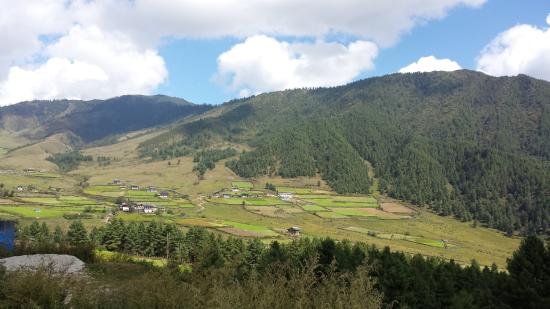
Afternoon: Explore local villages, rice terraces and irrigation channels that illustrate traditional Bhutanese farming. Meet local artisans or tea growers if available.
Evening: Time to unwind. Consider a short visit to a local farmhouse for a home-cooked meal (arrange through your guide) to taste authentic rural flavours.
Day 5: Return to Paro — Ta Dzong and Paro town
Morning: Drive back to Paro. En route you may stop at scenic viewpoints and enjoy the changing landscapes. Arrive in Paro and visit Ta Dzong, now a national museum, for exhibits on Bhutanese history and cultural artefacts.
Afternoon: Explore Paro town and the market. Visit Rinpung Dzong (Paro Dzong) and relax at a café with views of the fortress and surrounding paddy fields.
Evening: If time allows, enjoy a traditional Bhutanese cultural show or a relaxed dinner reflecting on your trip so far.
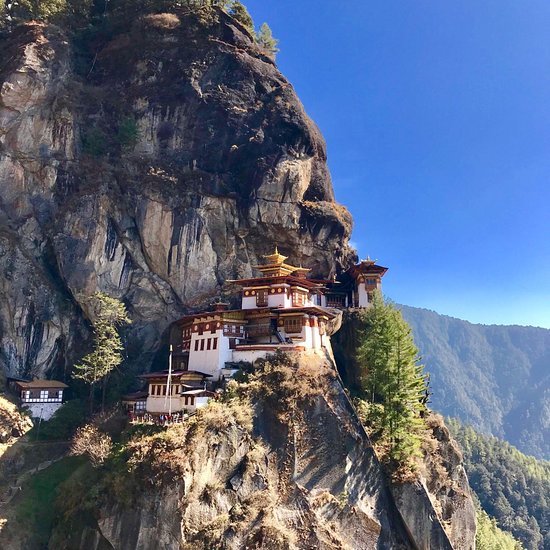
Day 6: Hike to Tiger’s Nest (Taktsang) — depart
Morning: Early start for the hike to Taktsang Monastery (Tiger’s Nest). The uphill trek takes around 3–4 hours roundtrip for many visitors, with spectacular views and a deeply spiritual atmosphere at the monastery. If you prefer not to hike, you can visit other nearby attractions or have a leisurely morning in Paro.
Afternoon: Return to Paro for final shopping or a relaxed lunch. Transfer to the airport or begin your overland journey depending on your departure plans.
Practical tips and recommendations
- Pace yourself: Mountain travel can be tiring; factor in time for rest and light activities each day.
- Clothing: Pack layers, waterproof jacket, comfortable walking shoes and modest attire for dzongs and monasteries (knees and shoulders covered).
- Cash and cards: Carry some local currency for markets; larger hotels and shops may accept cards but remote areas often prefer cash.
- Connectivity: Mobile coverage is decent in towns but patchy in remote valleys; Wi‑Fi is available in many hotels.
- Altitude: Thimphu, Paro and Dochula are moderately high. Stay hydrated and avoid strenuous exertion on arrival day.
Food, accommodation and dining suggestions
Bhutan’s food is hearty and regional. Ema datshi (chillies and cheese) is a must-try; other dishes include red rice, momo (dumplings), and various pork and fish specialities in different valleys. Tea and suja (butter tea) are common offerings.
Accommodation ranges from boutique lodges and heritage hotels to international-style resorts. Choose hotels that are centrally located in Thimphu and Paro for easy sightseeing; in Punakha, riverside lodges offer memorable views and ambience.
Culture and etiquette
Bhutanese culture is warm and respectful. Remove shoes before entering temples, speak softly in sacred spaces, and avoid pointing your feet at religious objects or people. Ask permission before photographing people, especially monks. When visiting dzongs or monasteries, follow the guidance of your local guide.
Optional add-ons
- Longer treks or multi-day hikes in the Haa Valley or Druk Path if you can extend your trip.
- Spend a night at a farmstay in Punakha to experience rural life and cuisine.
- Attend a locally scheduled festival (tshechu) if dates align with your travel — an unforgettable cultural experience.
Tip: Weather can change quickly in the mountains. Carry a reusable water bottle, sun protection and a small daypack for hikes.
Final notes
Six days in Bhutan gives you a meaningful glimpse of the kingdom’s spiritual heart, architectural treasures and green valleys. With comfortable pacing and a local guide, you’ll return with vivid memories of serene monasteries, friendly encounters and stunning Himalayan panoramas. Plan, respect local customs and leave room for quiet moments — they are often the most memorable.
Safe journey and enjoy exploring Bhutan’s unique blend of nature and culture.