5-Day Varanasi and Ayodhya Itinerary for Pilgrims
A practical 5-day pilgrimage itinerary covering Varanasi and Ayodhya with daily plans for darshan, aarti, temples, rituals, travel logistics, food, accommodation tips and local customs for a meaningful spiritual journey.
By TravMe travel team · · 5 min read
Varanasi and Ayodhya are two of India’s oldest and most revered pilgrimage destinations. This 5-day itinerary is designed for pilgrims who want a balanced, unhurried experience—daily darshan, river rituals, temple time, quiet reflection and practical travel advice to keep your journey smooth and spiritually fulfilling.
Overview and Practical Tips
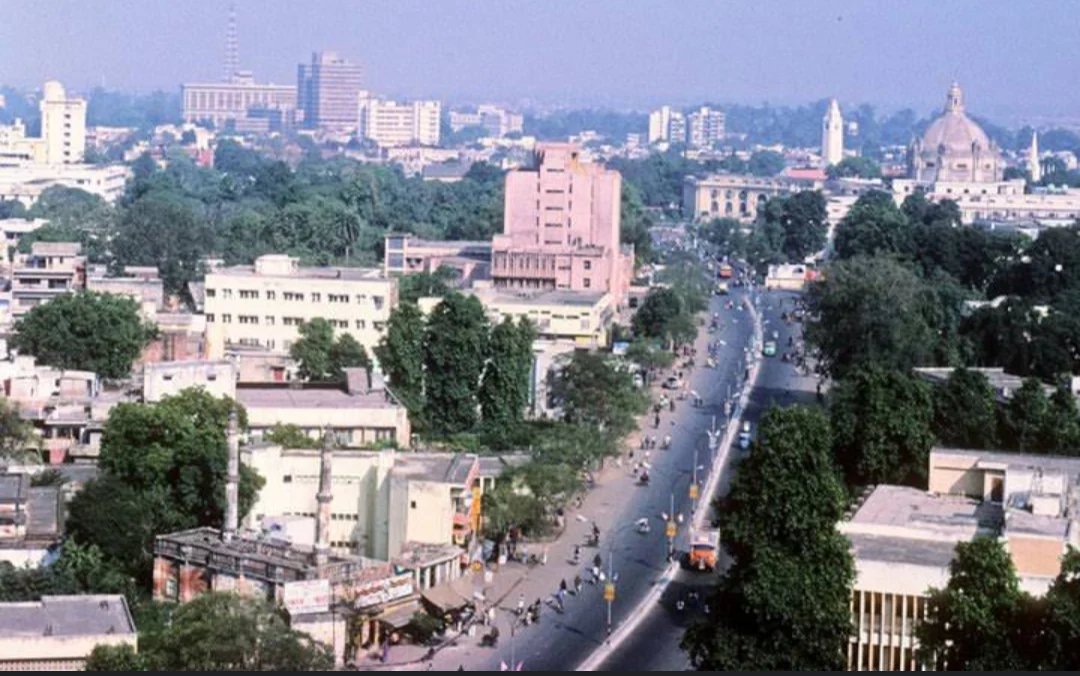
Varanasi (Kashi) is the living heart of Hindu ritual life on the Ganges, while Ayodhya is the birthplace of Lord Rama and centres on devotional recitation and temple worship. Both cities can be explored comfortably in five days if you prioritise early mornings for rituals, mid-day rest in the heat, and late afternoons for temple visits.
Best time to visit
- October to March offers milder weather and comfortable mornings for Ganga aarti and temple visits.
- Summer months are hot; if you travel then, plan more indoor rest and early starts.
How to travel between cities
- Varanasi and Ayodhya are connected by rail and road. Choose an overnight train or a comfortable car journey depending on your preference for time versus convenience.
- Book travel in advance during festival seasons. Trains are frequent; for door-to-door convenience, consider a private car with an experienced driver.
Health, dress and conduct
- Wear modest, breathable clothing that covers shoulders and knees. Women often prefer sarees or salwar-kameez; men can wear kurta-pajama or smart casuals.
- Carry a water bottle, sunscreen and basic medicines. Respect local customs: remove footwear before entering temples and ghats.
- Photography is usually allowed in public spaces but restricted in sanctums. Always ask before photographing priests or devotees.
Day-by-Day Itinerary
Day 1 — Arrival in Varanasi: Settling in and Ganga Aarti
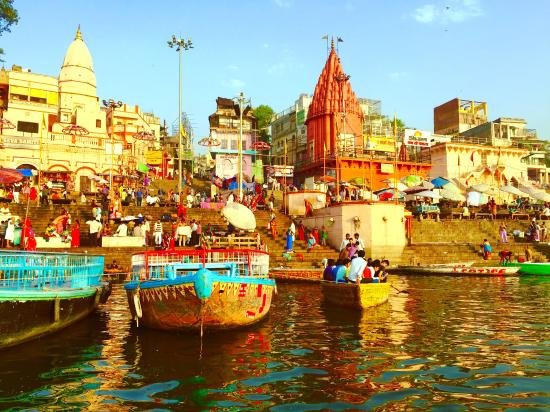
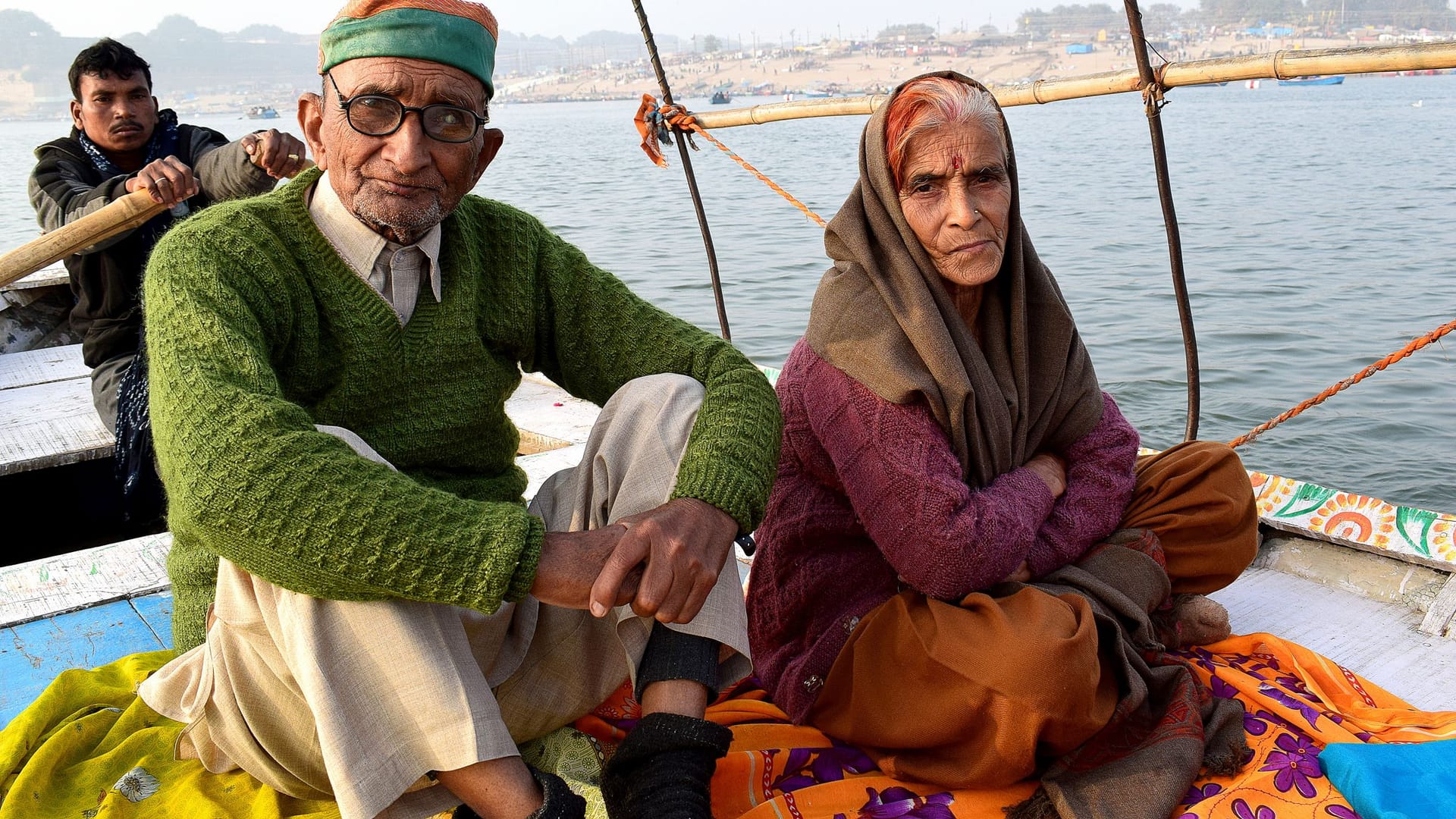
Arrive in Varanasi, check into a hotel or guesthouse near the ghats for easy access. Spend late afternoon walking along the ghats to observe everyday life—bathers, pujaris preparing lamps and locals performing rituals. In the evening, witness the Ganga Aarti at Dashashwamedh Ghat or a smaller, quieter ghat depending on your preference. Arrive early to secure a good viewing spot or book a boat for a riverside perspective.
Day 2 — Kashi Vishwanath, Sankat Mochan and Evening Aarti
Begin early with darshan at Kashi Vishwanath Temple—check temple timings and queue management as they can vary. After darshan, explore the narrow lanes of the old city leading to Manikarnika and other small shrines. Late morning, visit Sankat Mochan Hanuman Temple to offer prayers and experience devotional singing if available.
Take a midday rest. In late afternoon, consider a boat ride to view ghats in evening light, then attend a smaller, more intimate aarti at Assi Ghat if you prefer a quieter ceremony. Use the evening to walk the ghats and converse with priests or local guides who can explain ritual meanings.
Day 3 — Spiritual Immersion and Cultural Learning
Spend a contemplative morning at the Tulsi Manas Mandir and New Vishwanath Temple in Banaras Hindu University if you want to combine literature, music and theology. Attend a short satsang, bhajan session or a scripture reading if available; many temples and ashrams host morning gatherings.
In the afternoon, visit the Bharat Kala Bhavan or attend a classical music recital or Ganga-art related workshop if time permits. Use the evening for private meditation on the ghats or attend another aarti to deepen your connection with Kashi’s ritual rhythm.
Day 4 — Travel to Ayodhya and First Darshan
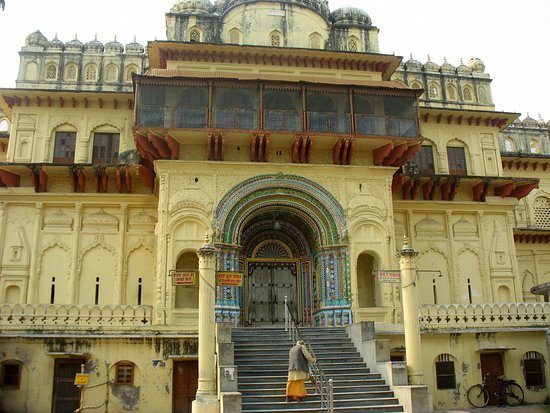
Travel to Ayodhya (preferably in the morning). On arrival, check into a central hotel near the Ram Janmabhoomi area to be close to major temples. Begin with a visit to the main Ram temple complex and adjacent sites associated with Lord Rama’s life—allow time for organized darshan and follow temple rules carefully.
Visit Hanuman Garhi and Kanak Bhavan to understand different facets of Rama devotion. In the evening, participate in or observe local bhajans and ram katha readings—Ayodhya’s devotional culture is contemplative and narrative-driven.
Day 5 — Ram Katha, Pilgrim Sites and Departure
Start the day with darshan at any remaining temples such as Saryu Ghat for a riverside ritual. If possible, attend a morning Ram katha or bhajan session; these are central to the devotional life of Ayodhya and offer profound insights into local faith practices.
Explore smaller shrines that mark episodes from the Ramayana, meet local pandits for blessings, and collect prasad. Prepare for departure in the afternoon or evening, carrying the calm and spiritual impressions of the trip.
Tip: Allow flexibility for queues, ritual timings and transport delays—pilgrimage travel is as much about patience and devotion as it is about planning.
Temple Etiquette and Ritual Guidance
- Always remove shoes and wash your hands/feet before entering sanctums. Many temples have shoe-keeping counters.
- Offer simple puja items like flowers or fruit; ask temple volunteers or priests about suitable offerings.
- If you wish to perform a specific ritual (yajna, havan, pind daan), speak to temple management in advance to understand requirements and appropriate dress.
- Respect priestly protocols—some rituals have gender-specific participation rules. If unsure, observe quietly or ask politely.
Food, Accommodation and Shopping
Both cities have a range of accommodation from dharamshalas and budget hotels to comfortable mid-range stays; choose proximity to ghats or temple complexes based on your mobility. Pure vegetarian food is widely available—try local delicacies in moderation and prefer freshly cooked meals. Carry light snacks and bottled water when moving between sites.
For souvenirs, Varanasi is famous for silk, brassware and religious prints; Ayodhya offers Ramayana-themed books, idols and devotional music. Buy from trusted shops and bargain respectfully for better prices.
Safety and Accessibility
Both cities are visited by large numbers of devotees. Keep personal belongings secure, be cautious in crowded ghats, and avoid late-night wandering in narrow lanes. If you have mobility concerns, select hotels with ground-floor rooms and inform temples in advance—many offer assistance for elderly or differently-abled pilgrims.
Final Notes and Blessings
This 5-day itinerary balances ritual, rest and exploration to make your pilgrimage both meaningful and manageable. Whether you seek the intense spirituality of a Ganga aarti in Varanasi or the serene devotion in Ayodhya, travel with an open heart, patience and reverence. May your journey bring peace, insight and renewal.
Safe travels and Jai Shri Ram / Om Namah Shivaya.