10-Day Uttar Pradesh Itinerary: Agra, Mathura, Ayodhya, Prayagraj and Varanasi
A practical 10-day Uttar Pradesh itinerary that covers Agra, Mathura, Ayodhya, Prayagraj and Varanasi with sights, travel routes, food tips and accommodation suggestions for a smooth pilgrimage-cum-cultural tour.
By TravMe travel team · · 6 min read
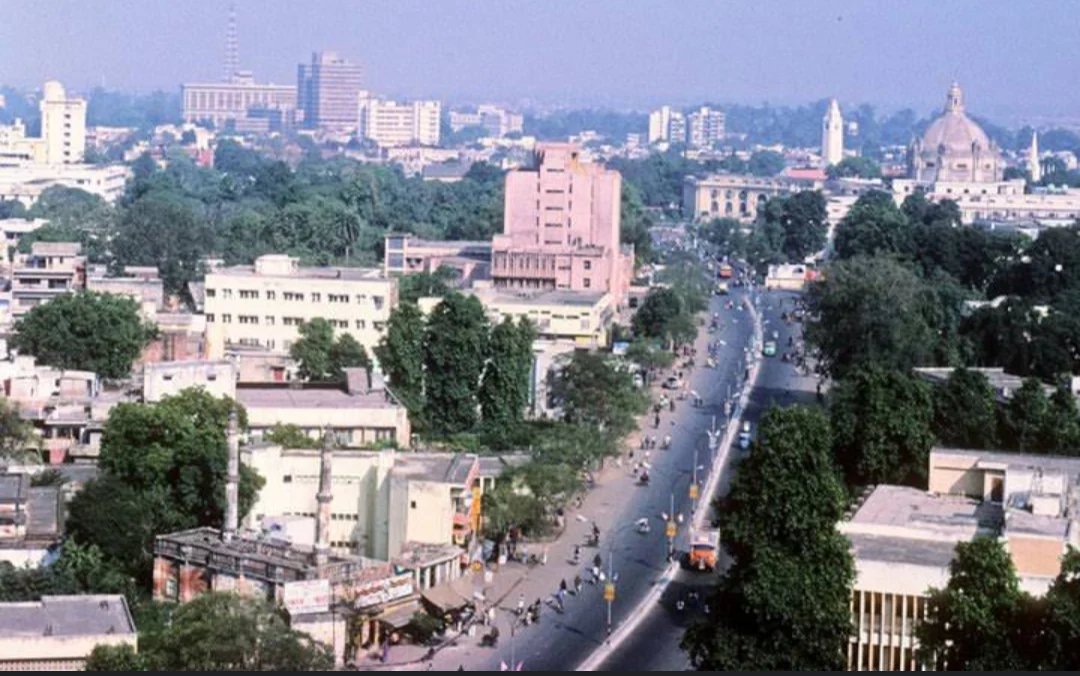
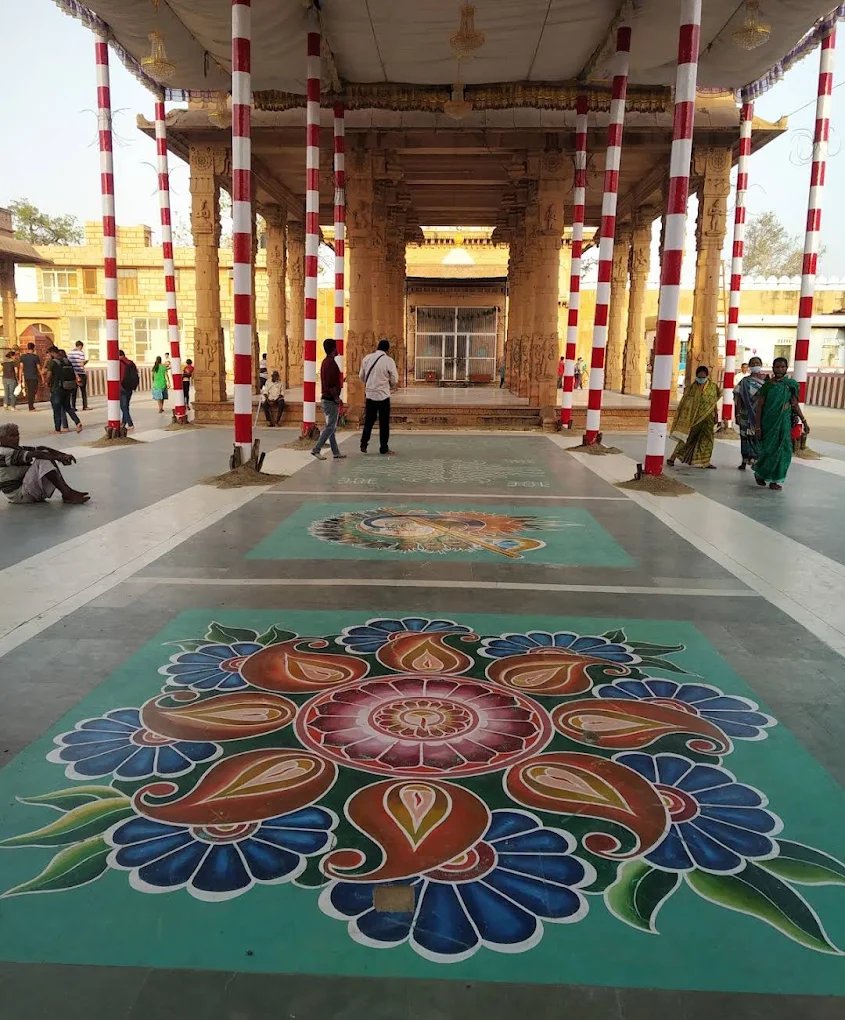
Uttar Pradesh is a compact treasure chest of India’s history, spirituality and living traditions. In 10 days you can weave together Mughal marvels, Krishna lore, Ramayana heritage, confluence rituals and the eternal Ganga — all with comfortable travel legs and time to soak in local flavours and customs.
How to use this itinerary
This plan assumes arrival into Agra or Lucknow (both well connected by air and rail) and uses a clockwise route: Agra → Mathura → Ayodhya → Prayagraj (Allahabad) → Varanasi. Each day balances sightseeing and travel. You can adjust pace according to trains, private car availability or personal preference.
Day-by-day itinerary
Day 1: Arrive in Agra — Sunset at the Taj
Reach Agra and check into your hotel. Spend the afternoon at the Taj Mahal; late afternoon or sunset gives soft light and fewer crowds. Afterward, stroll the historic lanes near the Agra Fort and enjoy Mughlai cuisine at a local restaurant.
Day 2: Agra — Fort, Tombs and Markets
Start early at Agra Fort to appreciate its palaces and views of the Taj. Visit Itmad-ud-Daulah (Baby Taj) and, if time allows, the Mehtab Bagh riverside garden for a different vantage point. Explore local markets for inlay marble handicrafts and petha sweets.
Day 3: Agra to Mathura (drive ~1.5–2 hrs) — Krishna circuits
Drive to Mathura and check in. Visit Shri Krishna Janmabhoomi temple, Dwarkadhish and the old town’s ghats. In the evening, attend the aarti at Vishram Ghat — a fragrant, colourful ceremony on the Yamuna that gives you an intimate experience of devotional life.
Day 4: Mathura — Vrindavan day trip
Spend a day in Vrindavan (short drive). Explore Banke Bihari, ISKCON, Prem Mandir and quieter temples such as Nidhivan early in the morning. Vrindavan’s temple architecture and devotional music make for an immersive cultural day.
Day 5: Mathura to Ayodhya (drive/rail overnight depending on choice)
Travel to Ayodhya. Depending on connectivity, you can opt for an overnight sleeper train or a comfortable drive. Arrive and rest — reserve energy for the next day’s temple circuit.
Day 6: Ayodhya — Ram Janmabhoomi and old city
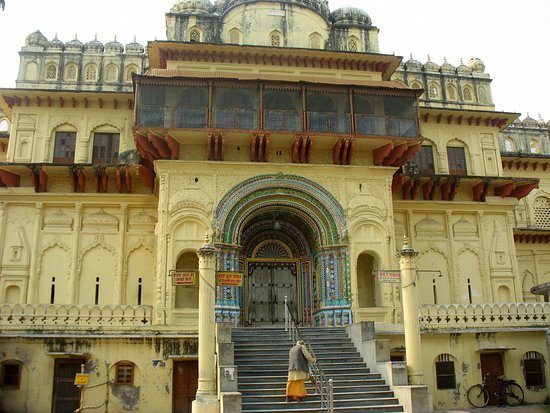
Visit the Ram Janmabhoomi complex and Hanuman Garhi. Walk the old city lanes to see traditional homes and local markets. If timing permits, attend an evening bhajan session in a temple to experience devotional life in Ayodhya.
Day 7: Ayodhya to Prayagraj (drive ~3–4 hrs)
Drive to Prayagraj (Allahabad). In the afternoon visit Anand Bhawan and the Allahabad Fort area, then spend the evening at the Sangam if accessible — the confluence of Ganga, Yamuna and the mythical Saraswati is central to the city’s spiritual identity.
Day 8: Prayagraj — Sarnath detour or local exploration
Use this day for deeper exploration: Kumbh Mela sites (if applicable), Khusro Bagh, and local ghats. If you’re inclined to diversify spiritually, make a long-day trip to Sarnath from Prayagraj only if logistics permit; otherwise, prepare for travel to Varanasi the next day.
Day 9: Prayagraj to Varanasi (drive/train ~3–4 hrs) — Evening Ganga Aarti
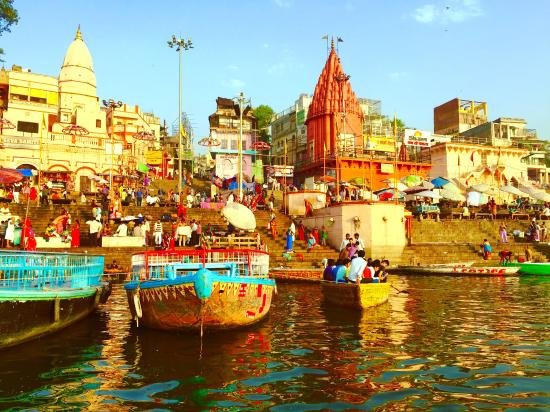
Travel to Varanasi and check in. Reserve your evening for the Ganga Aarti at Dashashwamedh Ghat — a mesmerising ritual with lamps, chants and boat silhouettes against the river. Wander the ghats and lanes after the aarti for local snacks and silk shops.
Day 10: Varanasi — Boat ride, temples and Banarasi crafts
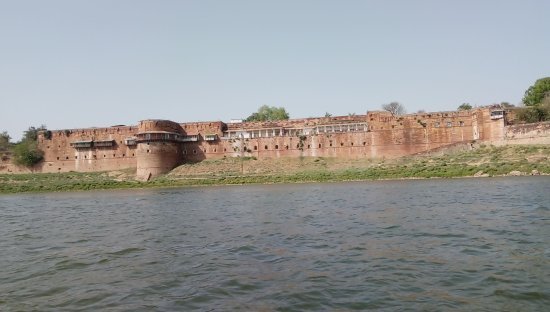
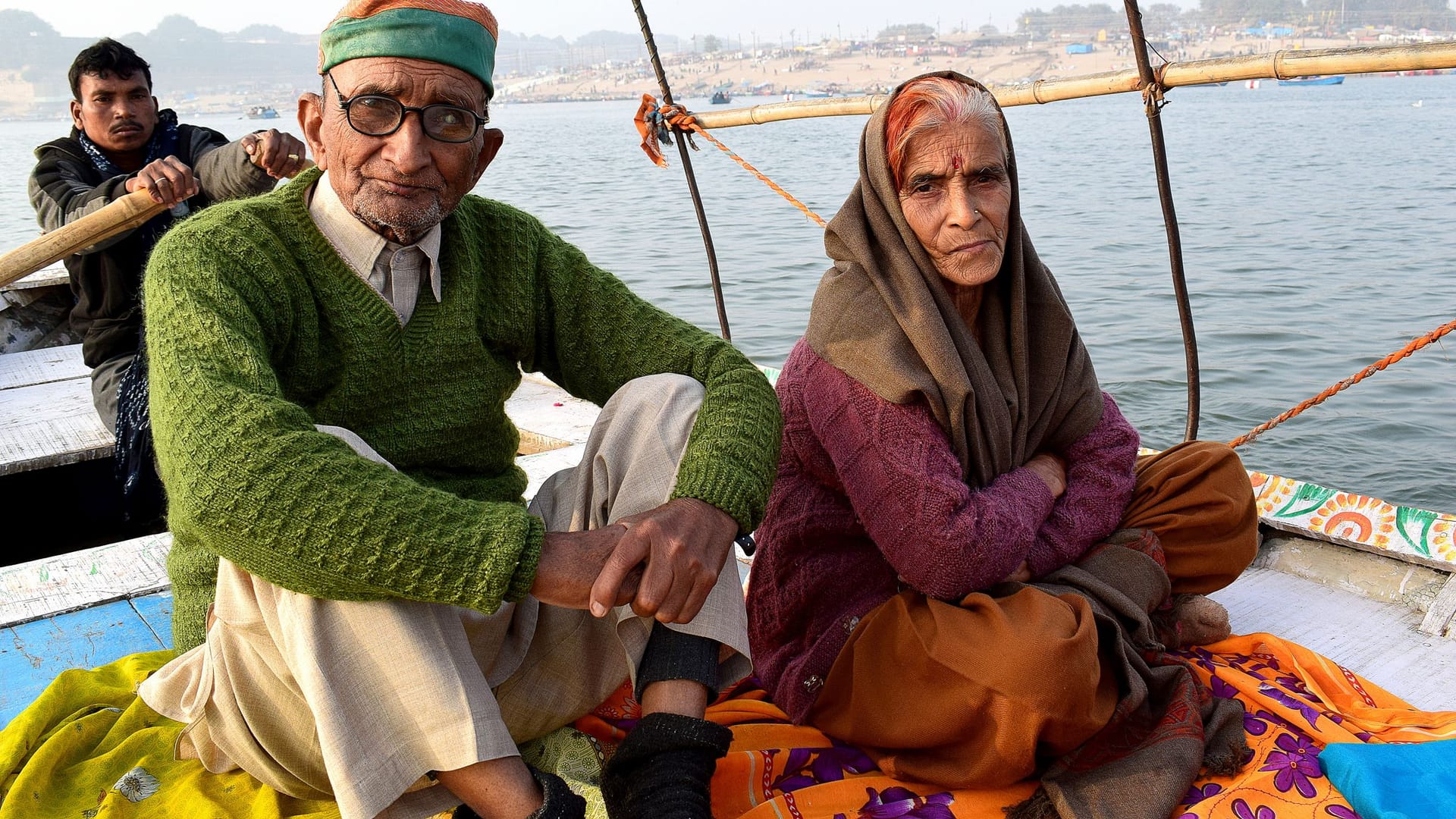
Begin with a pre-dawn boat ride to watch morning rituals and sunrise over the Ganga. Visit Kashi Vishwanath, Sankat Mochan, and the Ramnagar Fort across the river. Spend late afternoon browsing Banarasi silk saree shops, and conclude with an evening wrap-up dinner featuring local delicacies.
Travel logistics and transport
- By air: Agra and Varanasi have airports; Lucknow is a good alternative for Ayodhya and Prayagraj access. Internal flights save time but may add cost.
- By rail: The North Central and Northern Railway networks connect all these cities. Book trains in advance, especially during festivals and peak season.
- By road: Private cars or taxis offer the most flexible way to follow this itinerary. Distances are moderate and roads between these cultural hubs are generally good, but travel times vary with traffic.
Where to stay
- Agra: Stay near the Taj or the old city for early access to sights. Boutique heritage hotels add local charm.
- Mathura/Vrindavan: Temple guesthouses and mid-range hotels near the ghats are practical and immersive.
- Ayodhya: Newer hotels are emerging near the major pilgrimage sites; consider central locations for easy walking access.
- Prayagraj: Choose a hotel near the Sangam or the civil lines for a balance of comfort and accessibility.
- Varanasi: Ghats-facing stays are worth the early-morning wake-up calls; otherwise, Cantonment area offers quieter options.
Food and dining tips
Uttar Pradesh cuisine ranges from rich Mughlai dishes in Agra and Prayagraj to sattvic and devotional foods near Mathura and Ayodhya. Must-tries include Awadhi kebabs and biryani, local sweets like petha and rabri, and Varanasi’s chaat and kachori. For hygiene: prefer busy eateries, peelable fruits and bottled water.
Best time to travel
The ideal window is October to March when winters are cool and days are pleasant for sightseeing. Summers (April–June) are hot; monsoon brings humidity and occasional travel disruption.
Cultural and safety tips
- Respect local customs at temples and ghats: dress modestly, remove footwear where required, and follow gender-specific norms in some places.
- Photography rules vary: ask before photographing people, priests or inside certain temple complexes.
- Carry a copy of ID for hotel check-ins and inter-state travel. Keep emergency contacts and your accommodation details handy.
- While major cities are generally safe for solo travellers, use registered taxis/ride apps at night and avoid poorly lit lanes after dark.
Tip: If you want a more relaxed pace, convert this into a 12–14 day trip by adding an extra day each in Varanasi and Ayodhya for slower exploration and attending more rituals.
Packing checklist
- Light layers for cool mornings and warm afternoons (October–March), sunhat and sunscreen for summer.
- Comfortable walking shoes for ghats, narrow lanes and fort walks.
- Modest clothing suitable for temple visits; a scarf or shawl is useful.
- Basic medicines, hand sanitiser and a refillable water bottle.
Final notes and responsible travel
This itinerary mixes heritage, devotion and living culture; travel with patience and curiosity. Engage local guides where available — they add historical context and stories that enrich each site. Be mindful of plastic use around rivers and ghats, and support local artisans by buying authentic handicrafts directly from craftsmen when possible.
With a balance of iconic monuments and devotional experiences, this 10-day Uttar Pradesh circuit gives you both the sights and the slower cultural moments that make a trip memorable. Safe travels and enjoy the journey through India’s heartland.