5-Day Ladakh Itinerary Covering Leh, Nubra and Pangong
A practical, paced 5-day Ladakh itinerary that covers Leh, Nubra Valley and Pangong Lake with acclimatisation tips, routes, must-see stops and packing advice for a smooth high-altitude trip.
By TravMe Holidays travel team · · Updated · 5 min read
Ladakh in five days is ambitious but entirely doable with smart planning. This itinerary balances acclimatisation, scenic drives and time at iconic spots — Leh town, Nubra Valley and Pangong Lake — ensuring you savour high-altitude landscapes without rushing.
Overview and who this itinerary suits
This 5-day plan is best for first-time visitors with limited time who want the highlights: Leh (base), a night in Nubra Valley, and a night near Pangong Tso. It keeps daily driving reasonable, builds in acclimatisation, and includes buffer time for weather or road delays. Travellers should be comfortable with moderate physical activity and prepared for high-altitude conditions.
Before you go: permits, acclimatisation and travel basics
Inner Line Permits
Indian nationals need permits for parts of Ladakh; foreign nationals require Protected Area Permits (PAP) for many areas. Obtain permits through the local DC office in Leh, your tour operator or authorised counters. Keep photocopies and digital scans.
Acclimatisation
Altitude sickness is the main risk. Spend your first day in Leh (3,300m approx) taking it easy: hydrate, avoid alcohol and heavy activity, and sleep early. If you feel unwell, descend. Consider OTC or prescription medication for AMS only after discussing with a doctor.
Transport and road conditions
Roads in Ladakh are spectacular but can be rough or affected by weather. A reliable SUV with experienced driver is ideal. Expect long stretches with no fuel stations; ensure your vehicle has enough fuel and basic spares. Shared taxis and local buses are options but less flexible.
Day-by-day itinerary
Day 1: Arrival in Leh — check-in and gentle acclimatisation
- Arrive in Leh by flight or road (if arriving by road, allow extra rest after a long drive).
- Check into your hotel/guesthouse and rest. Keep activities light: short walks around the market, visit Leh Palace viewpoint or Shanti Stupa in the late afternoon.
- Stay hydrated, eat simple meals and sleep early to help acclimatise.
Day 2: Leh local sightseeing and prepare for Nubra
- Begin with visits to Hemis Monastery (if open), Thiksey and Shey — these are close and provide cultural context without long drives.
- Return to Leh for lunch; finalise vehicle check and permits for Nubra Valley (Diskit area).
- In the evening, pack for an early start. Keep layers ready for cold nights.
Day 3: Leh to Nubra Valley via Khardung La
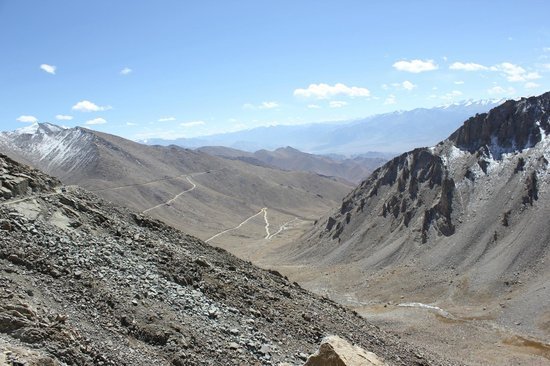
- Early departure for the Nubra Valley. The route goes over Khardung La, one of the high mountain passes en route to Diskit/Hunder. Drive times vary; plan for stops to enjoy vistas and to rest.
- On reaching Nubra, visit Diskit Monastery and the giant Buddha statue that overlooks the valley.
- Choose to stay in Hunder village to experience the sand dunes and optional camel (double-humped bactrian) rides at sunset.
- Night in Nubra. Temperatures drop significantly—carry warm sleeping gear.
Day 4: Nubra to Pangong — long scenic drive via Shyok (or return to Leh)
- Start early for Pangong Lake. There are two main options: a direct route back via Khardung La to Leh and then on to Pangong, or the thinner but quicker Shyok route if open and advised by locals.
- Stop en route for short walks, photography and refreshments. The landscapes change dramatically — from desert-like dunes to stark mountain valleys to glacial-fed lakes.
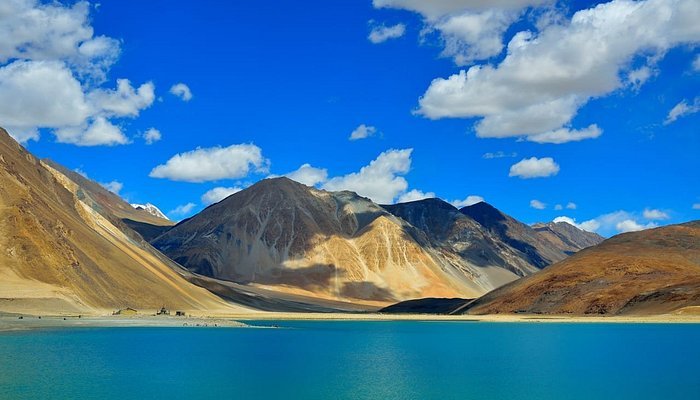
- Arrive at Pangong, settle into lakeside camps or guesthouses. Spend the evening walking along the shore and watching the shifting colours of the lake as light changes.
- Night near Pangong. Temperatures can be extreme — prepare for cold winds.
Day 5: Pangong to Leh and departure
- Wake early for sunrise over Pangong; the morning light is magical for photography.
- After breakfast, depart for Leh. The drive takes several hours; allow time for stops and potential traffic near passes.
- Reach Leh by afternoon. If your schedule allows, grab some last-minute shopping, visit the market, or simply relax before onward travel.
Must-see highlights and photo stops
- Leh Market and Leh Palace viewpoints — good for cultural immersion and local food.
- Khardung La pass — for the thrill and panoramic views (note that accessibility varies).
- Diskit Monastery and the Nubra Valley sand dunes — unique combination of monastery and arid landscape.
- Pangong Tso — iconic high-altitude lake famed for its changing colours and reflections.
Tip: Always ask locals or your driver about current road conditions and weather. Mountain roads can change quickly and safety trumps itinerary rigidity.
Packing list and practical tips
Essentials
- Layered clothing: thermal base layers, fleece, down jacket and windproof shell.
- Good walking shoes with grip; warm socks; gloves and a warm hat.
- Sunscreen, sunglasses with UV protection and a wide-brimmed hat for daytime.
- Reusable water bottle and oral rehydration salts to combat dehydration.
- Personal meds, a basic first-aid kit, and any prescribed AMS medication after consulting a doctor.
Electronics and documents
- Power bank, extra camera batteries and memory cards (cold drains batteries faster).
- Printed and digital copies of permits, ID, emergency contacts and accommodation confirmations.
Food, water and health precautions
Eat light, warm meals during the first two days and avoid raw or unpeeled foods from unknown sources. Drink plenty of boiled or bottled water — in remote stretches you may need to rely on boiled water supplied by camps. If you feel severe headache, nausea or breathlessness, descend immediately and seek medical help.
When to visit and what to expect weather-wise
The best window to visit is generally the warmer months when roads are open and facilities are available. Nights remain cold even in summer at high altitudes. Monsoon effects are minimal but sudden snow or landslides in shoulder seasons can interrupt travel, so check local advisories.
Responsible travel and local culture
Respect local customs at monasteries and villages: dress modestly, ask before photographing people, and avoid loud behaviour. Carry out non-biodegradable waste where possible and support local businesses — guesthouses, eateries and handicraft shops benefit communities directly.
Conclusion
This 5-day Ladakh itinerary aims to give you the region's signature experiences while keeping safety and acclimatisation front and centre. With sensible pacing, good company and flexibility for mountain conditions, you can enjoy Leh's culture, Nubra's dramatic valleys and the unforgettable blues of Pangong in a compact trip that leaves you wanting to return.