5-Day Bhutan Itinerary Covering Thimphu and Paro
A practical, day-by-day 5-day Bhutan itinerary for Thimphu and Paro, with travel tips, cultural notes, trekking options and packing advice to make the most of a short Himalayan escape.
By TravMe Holidays travel team · · Updated · 7 min read
Bhutan’s quiet valleys, prayer flags and dramatic dzongs make it a perfect short escape from the bustle of everyday life. This 5-day itinerary focuses on Thimphu and Paro — two gateways to Bhutan’s culture, nature and spirituality — and is tailored to first-time travellers who want a mix of sightseeing, light hikes and cultural immersion without rushing.
Before You Go: Practicalities and Permits
All visitors to Bhutan (except nationals from India, Bangladesh and the Maldives) must book travel through a licensed Bhutanese tour operator and obtain a visa. Even if you are eligible for special entry rules by nationality, you still need to coordinate logistics and pay the Sustainable Development Fee where applicable. Flights to Paro arrive from regional airports; road travel from Indian border towns is also possible.
Key preparations:
- Confirm your visa and permit through your tour operator well before departure.
- Check domestic flight options and book early; weather can affect schedules.
- Carry original identification, permit copies and a small amount of local currency for places that may not accept cards.
How to Use This Itinerary
This plan assumes arrival into Paro and then transfer to Thimphu, or arrival into the capital directly if land entry is used. It blends cultural visits, short hikes and a day for the iconic Tiger’s Nest (Paro Taktsang). If you prefer a more relaxed pace, consider extending your stay by a day or two around Paro to explore nearby valleys or longer treks.
Day 1: Arrival in Paro — Transfer to Thimphu and Easy Sightseeing
Morning: Arrive in Paro. The flight into Paro is scenic, with Himalayan foothills and snow-capped peaks framing your descent. After immigration and luggage formalities, you’ll usually meet your guide.
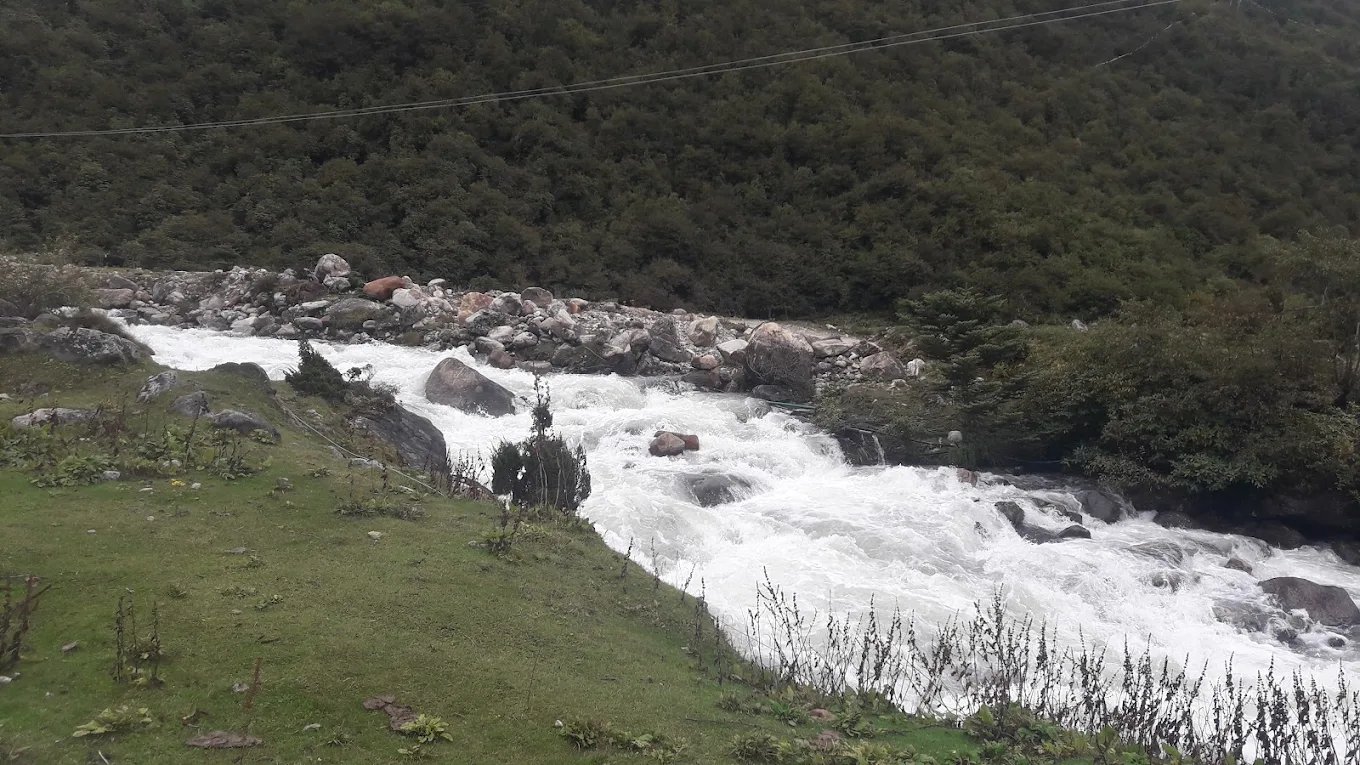
Transfer to Thimphu (approx. 1 to 2 hours depending on stops). On route you may stop for photos at scenic viewpoints and river crossings.
Afternoon: Settle into your hotel in Thimphu and take an easy walk around the town. Highlights for a gentle first day:
- Walk through the main market and handicraft emporiums to see traditional fabrics, masks and handicrafts.
- Visit the King’s Memorial Chorten — a central, active spiritual site where locals gather for prayers and circumambulation.
- Stroll along the Wangchu (Thimphu) riverfront and watch evening life unfold.
Evening: Have a relaxed dinner at your hotel or try a local restaurant. Bhutanese cuisine features red rice, ema datshi (chillies and cheese) and hearty stews — request mild versions if you’re not accustomed to spice.
Day 2: Thimphu — Culture, Dzongs and a Short Hike
Morning: Start with the Tashichho Dzong, the impressive fortress-monastery that houses government offices and monastic bodies. Guided visits will give you insight into Bhutan’s unique blend of religion and governance.
Visit the National Memorial Chorten if you didn’t on Day 1, then head to the National Library and the Folk Heritage Museum for context on Bhutanese history and rural life.
Afternoon: Choose one of these options depending on your energy level:
- Short hike to Tango Monastery or Cheri Monastery: These provide a peaceful trail, pleasant views of Thimphu valley and a chance to see monastic study houses.
- Visit the Folk Heritage Museum and the Textile Museum in town to understand traditional crafts and clothing.
Late afternoon: Stop by the giant Buddha Dordenma statue perched above the valley. The site offers sweeping panoramic views and is particularly striking at sunset.
Day 3: Thimphu to Paro — Scenic Drive and Paro Sights
Morning: Drive back to Paro through terraced fields and denser forest stretches. On the way you may stop at the Simtokha Dzong, a fortress with historical and religious significance, or other scenic viewpoints.
Afternoon in Paro:
- Visit Paro Dzong (Rinpung Dzong), a classic example of Bhutanese fortress architecture and an active monastic centre.
- Explore the National Museum (Ta Dzong) for artefacts, thangka paintings and displays on Bhutan’s natural and cultural history.
- Walk through Paro town to its small markets and cafés; the pace here is slower and gentler than most towns of the region.
Evening: If you have energy, stroll to the Paro riverbanks where prayer flags and small bridges make for atmospheric photography.
Day 4: Paro Taktsang (Tiger’s Nest) — Full-Day Hike
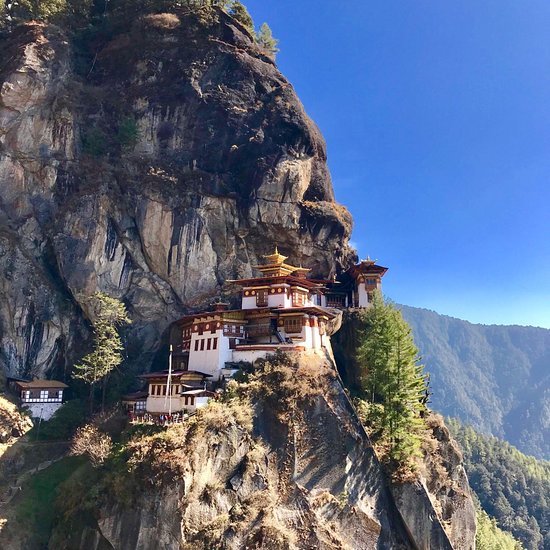
This is the highlight for many visitors. The hike to Paro Taktsang (Tiger’s Nest) is about 2–3 hours up depending on fitness and pace, with a return descent that can be quicker. The trail passes through beautiful pine forest and offers dramatic views of the monastery clinging to the cliffside.
Practical tips for the hike:
- Start early to avoid crowds and afternoon weather changes; carry water, snacks and a light rain layer.
- Wear comfortable trekking shoes; the trail is steep and uneven in parts but well-maintained.
- There is a teahouse about halfway up; many visitors pause there to rest before the final ascent.
- Respect the monastery rules: photography may be restricted in some inner areas and modest clothing is required.
Afternoon: After returning from the hike, relax in Paro. Consider a hot stone bath at your hotel if available — a traditional Bhutanese way to soothe tired muscles.
Day 5: Local Experiences and Departure
Morning options depending on your departure time:
- Short visit to Kyichu Lhakhang — one of the oldest and most sacred temples in Bhutan, offering a contemplative atmosphere.
- Explore nearby villages to see traditional houses and meet artisans; many operators can arrange short homestays or craft demonstrations.
Departure: Transfer to Paro airport for your flight out, or drive to the border if heading back overland. Allow extra time for security and check-in; mountain weather occasionally affects flight schedules.
Practical Tips, Packing and Cultural Etiquette
Packing essentials:
- Layered clothing: Days can be warm and mornings/ evenings cool. Include a warm jacket, base layers and a waterproof shell.
- Sturdy walking shoes or light trekking boots for uneven trails.
- Sun protection: hat, sunglasses and sunscreen are useful even in cooler weather at altitude.
- Personal medications and a small first-aid kit; pharmacies exist in towns but may be limited for specific prescriptions.
Cultural etiquette to observe:
- Dress modestly, especially at religious sites; shoulders and knees should be covered.
- Ask permission before photographing people, particularly monks and children.
- When entering temples and dzongs, follow your guide’s directions—there are often rules about shoes, hats and where to sit.
- Remove hats and sunglasses when speaking with elders or during formal greetings.
Accommodation and Food Suggestions
Accommodation in Thimphu and Paro ranges from comfortable guesthouses and traditional Bhutanese lodges to higher-end hotels. Many properties emphasise local architecture and Bhutanese hospitality. Choose a hotel close to town centres if you prefer easy walking access to markets and attractions; choose a quieter property in the valley outskirts if you want peace and views.
Food: Bhutanese menus often feature local staples like red rice, buckwheat, ema datshi and various stews. Many restaurants also serve Indian, Tibetan and continental dishes if you need a milder option. Try local snacks at market stalls and salt teas if offered.
Tip: Altitude in Paro and Thimphu is moderate but can affect sensitive travellers. Stay hydrated, eat lightly on the first day and avoid strenuous activity until you feel acclimatised.
Optional Extensions and Alternatives
If you can extend your trip, consider:
- A day trip to Haa Valley for dramatic scenery and traditional villages.
- Adding a night in a farmhouse or homestay to experience rural Bhutanese life.
- Trekking in the Phobjikha Valley or longer treks if you have more time and interest in wildlife and alpine landscapes.
Conclusion
A 5-day trip to Thimphu and Paro is an ideal introduction to Bhutan: it balances cultural immersion, tranquil landscapes and the unforgettable experience of Tiger’s Nest. With modest walking, sensible acclimatisation and respect for local customs, you’ll return with vivid memories of prayer flags, monastery bells and Himalayan vistas. Whether you prefer contemplative temples or scenic hikes, this short itinerary delivers a meaningful taste of Bhutan’s spirit.